
Last updated November 23, 2026
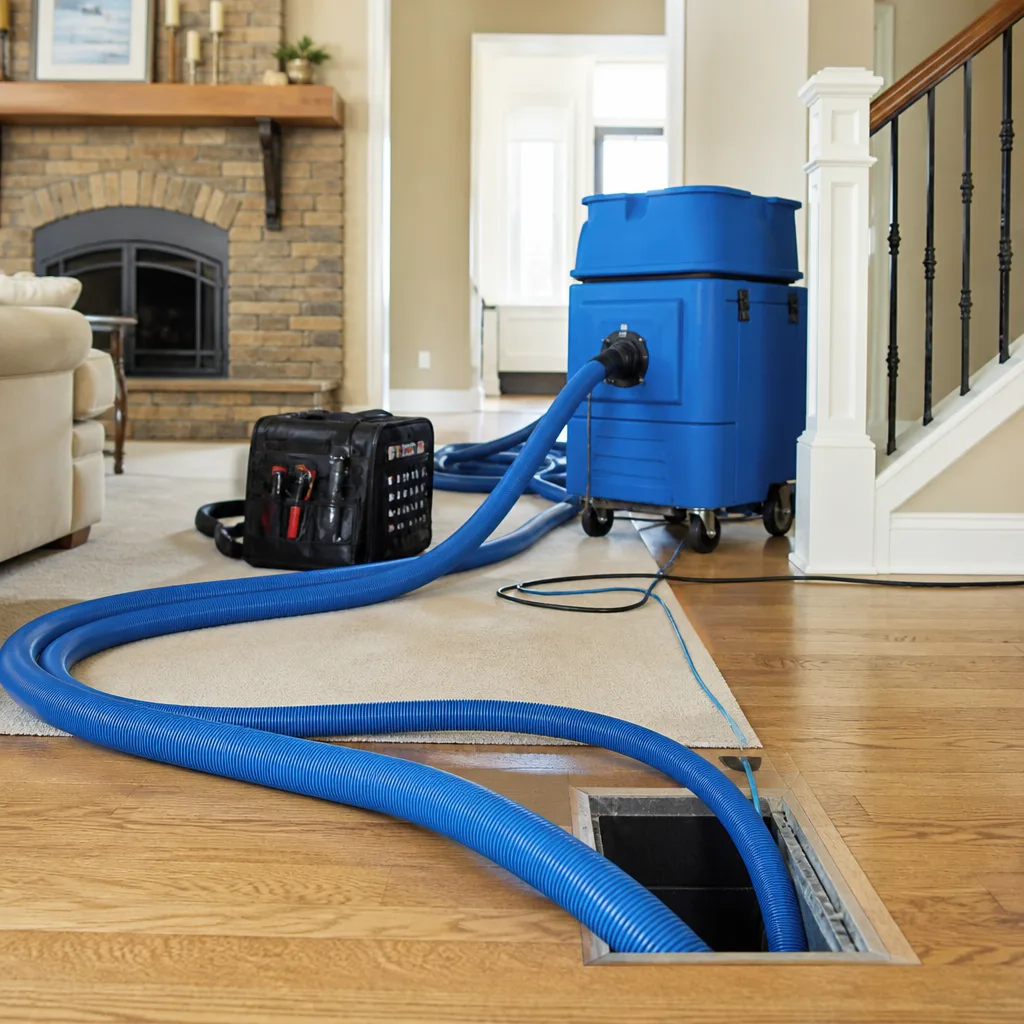 Whole-home duct cleaning
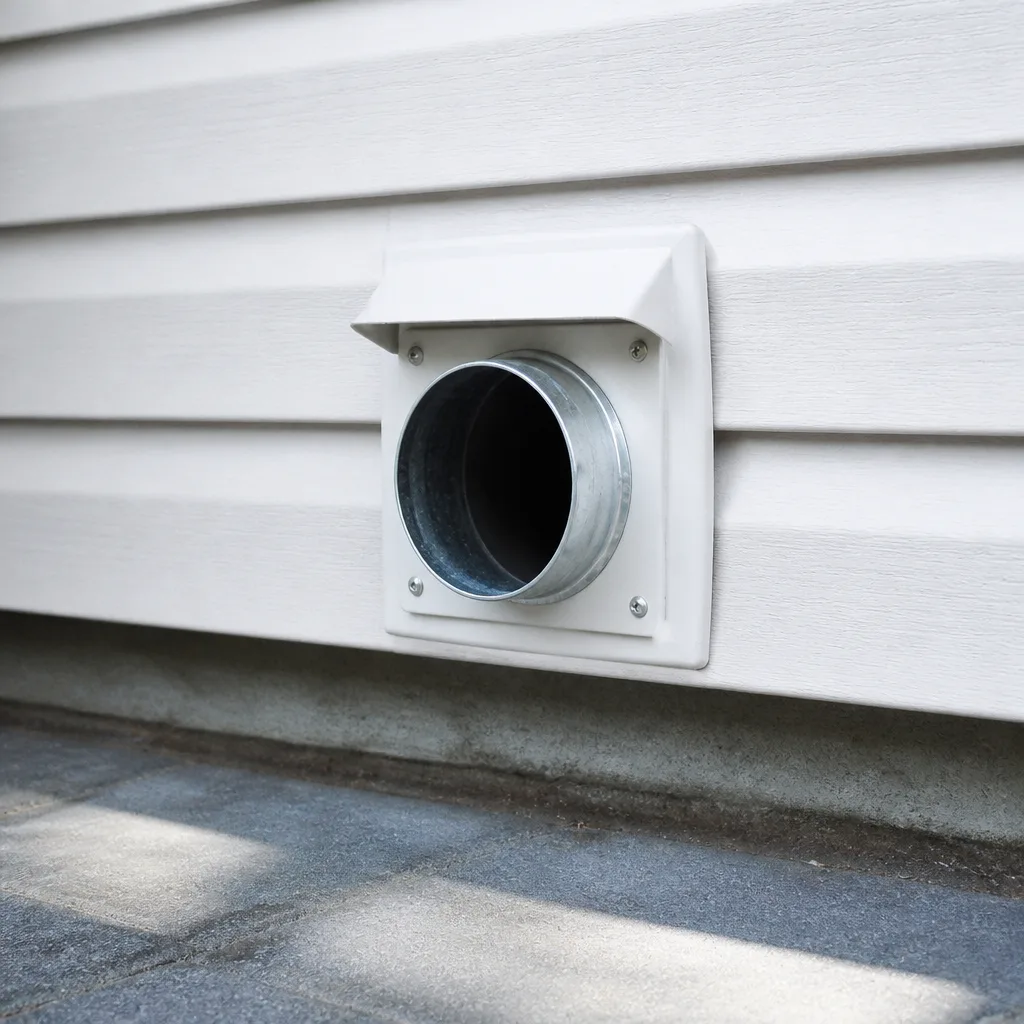 Dryer vent cleaning
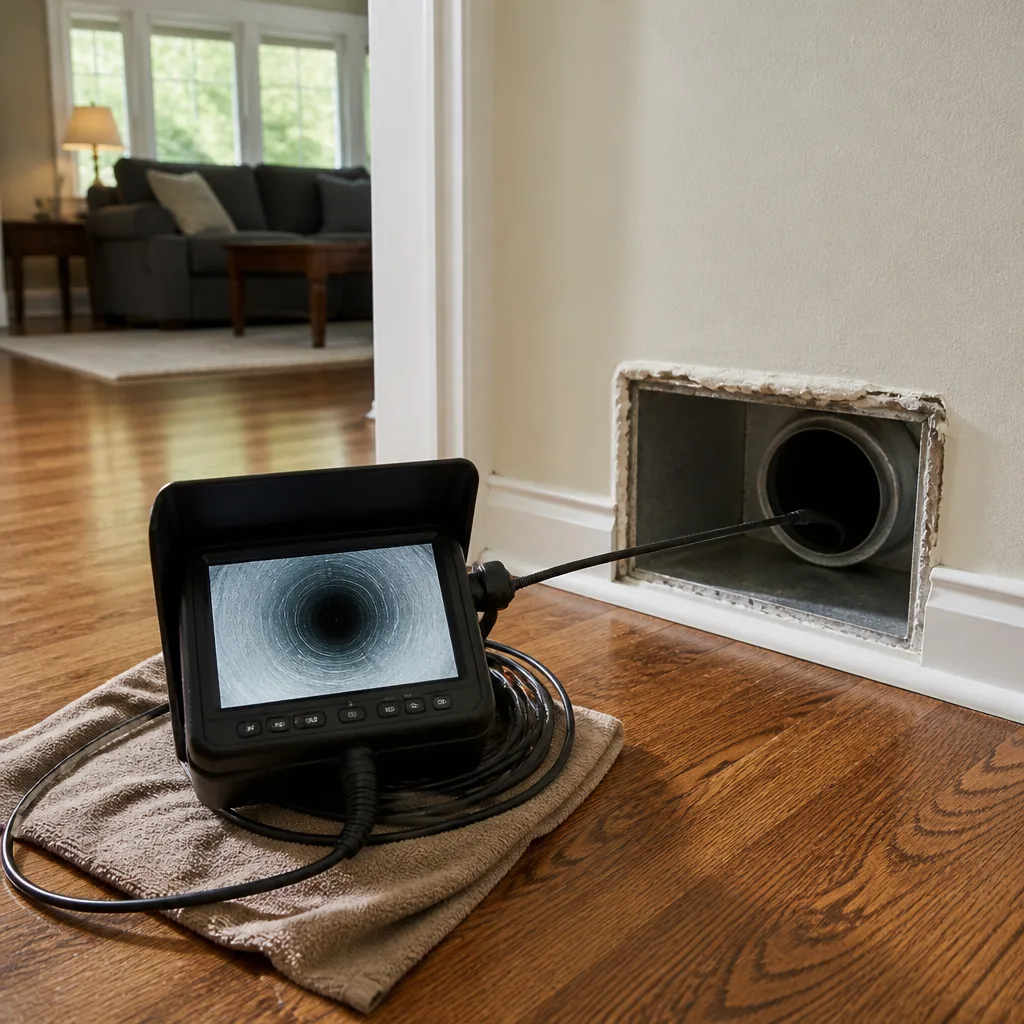 Camera inspection
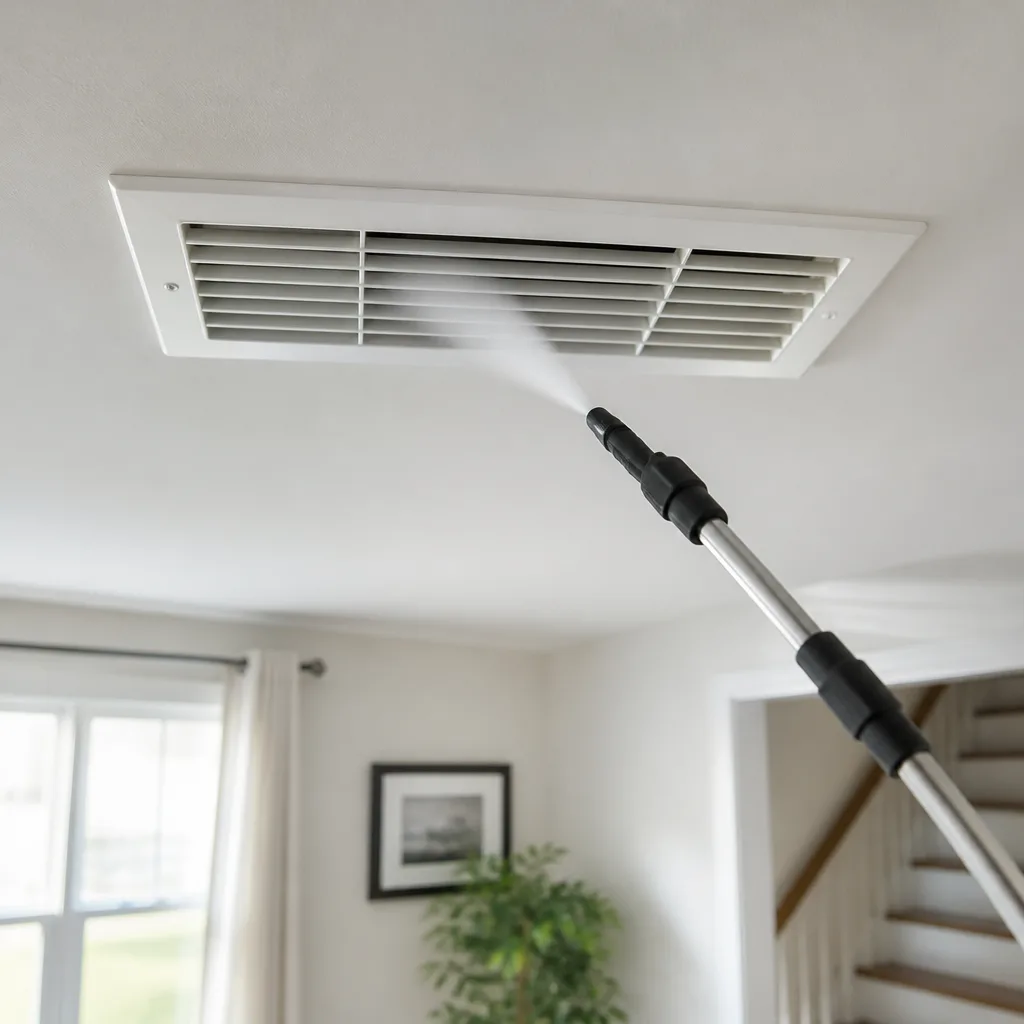 Sanitizing & deodorizing
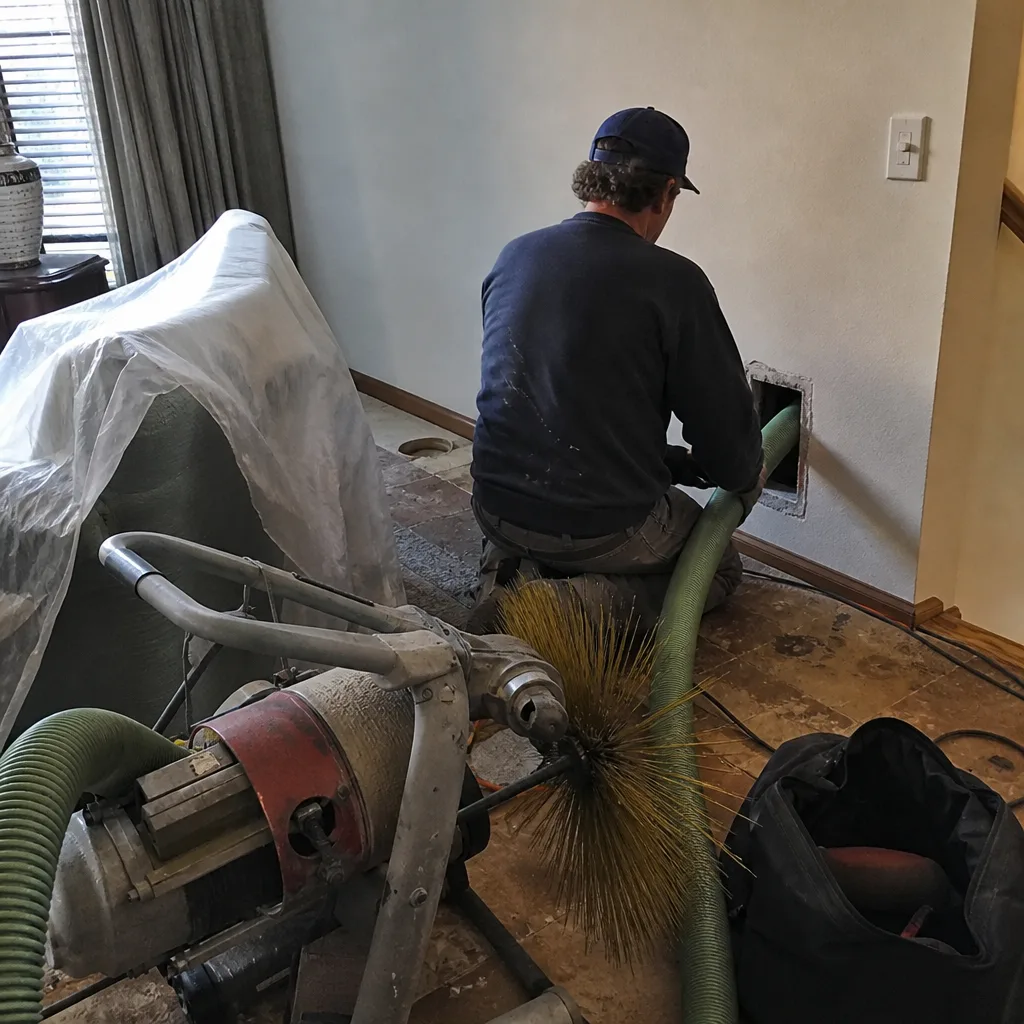
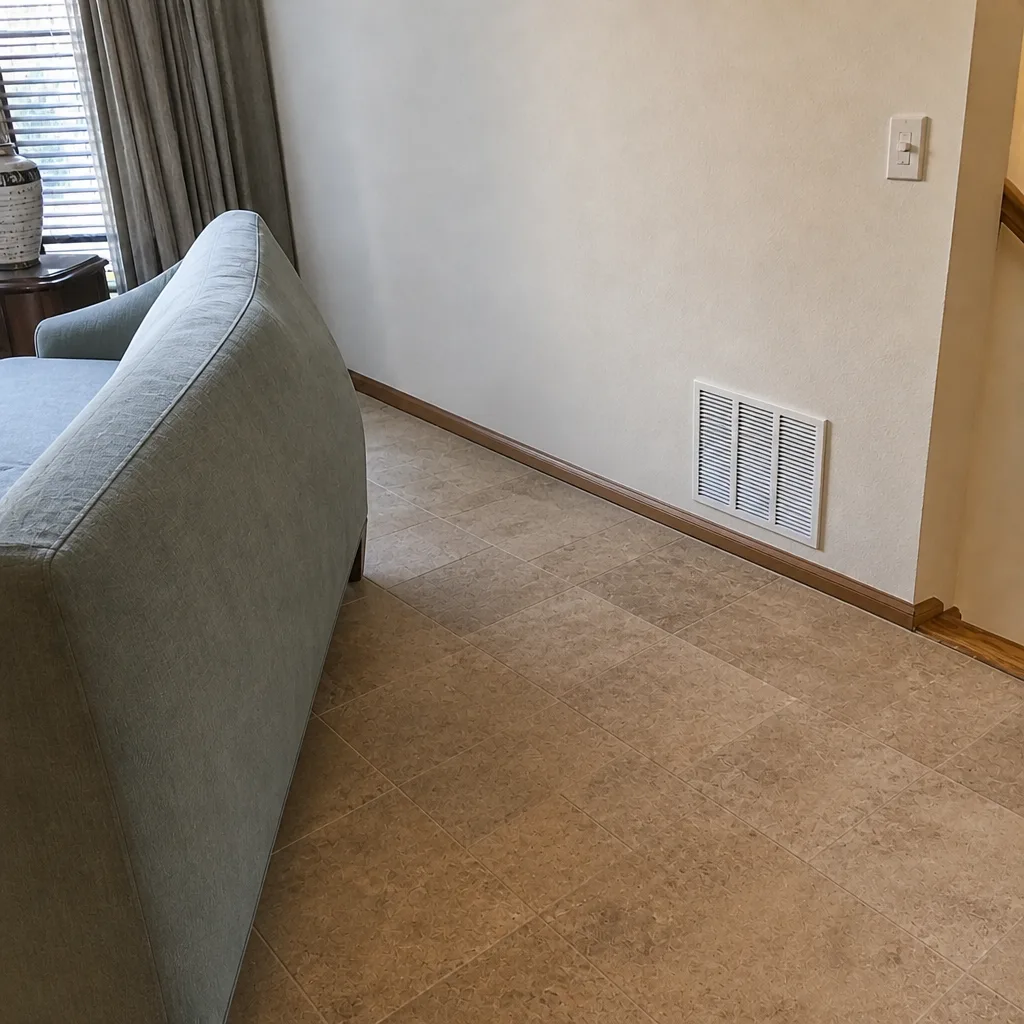
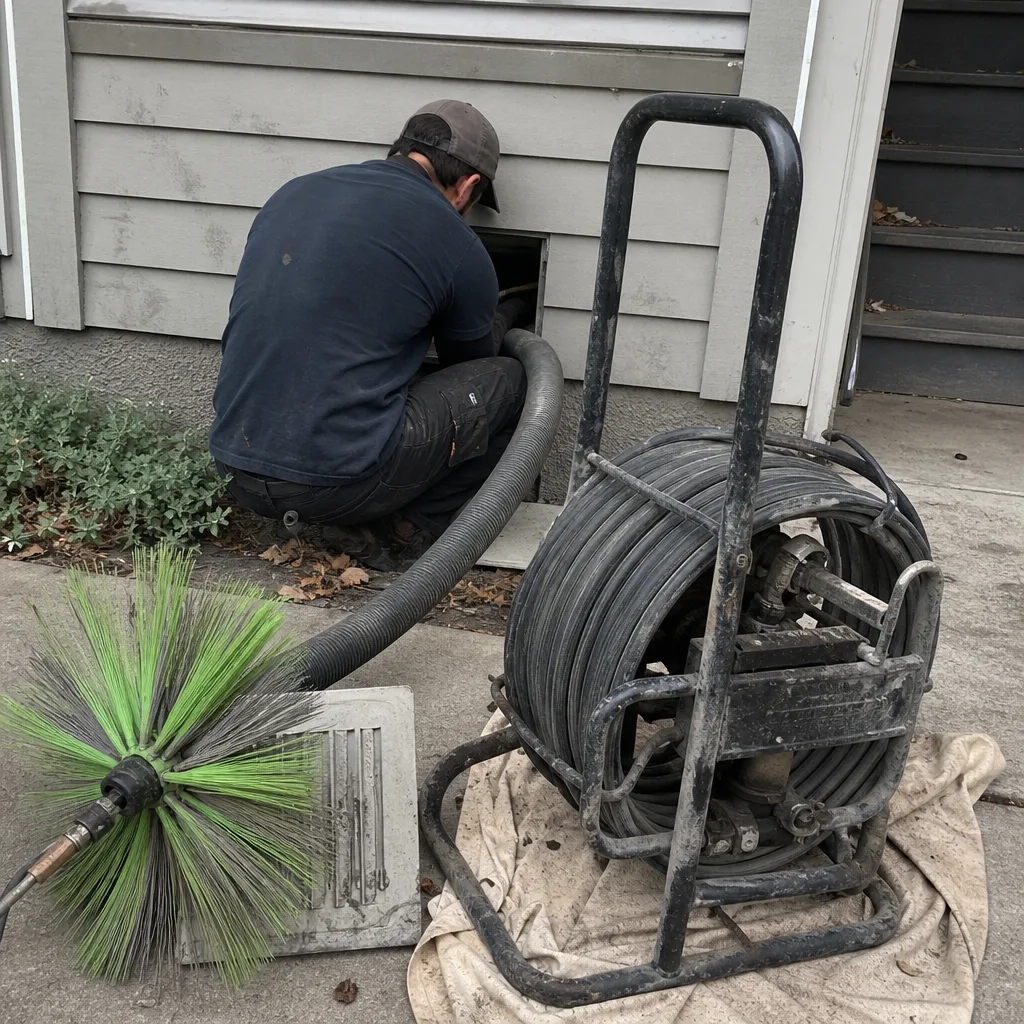
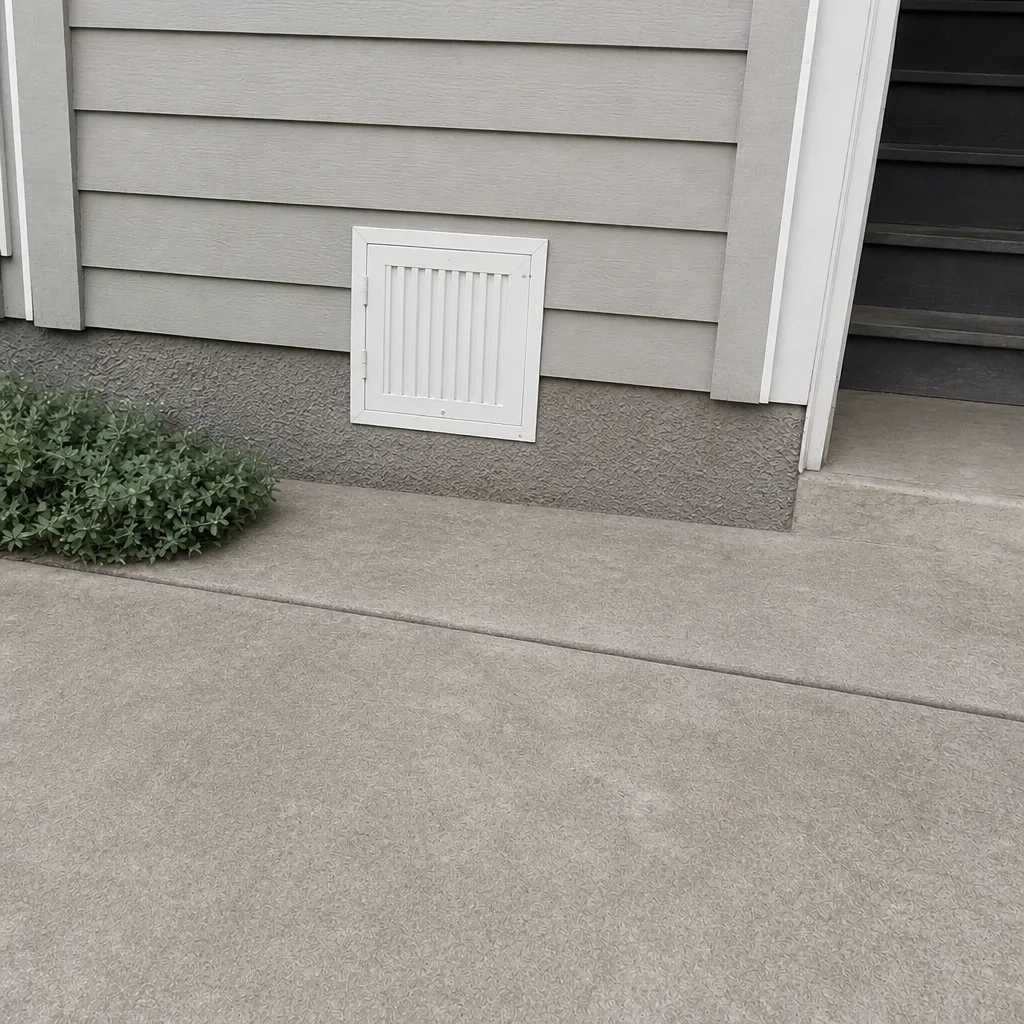
Whole-system duct and dryer vent check with before-and-after photos - you see exactly what came out of your vents
That "$99 whole-house special" is a bait ad - the real number appears once they are in your hallway, or the "clean" is a shop-vac at the register. We photograph the inside of your ducts before and after instead.
Seasonal Air Duct Cleaning Care for University Park: Year-Round Homeowner’s Guide
Most homeowners in University Park schedule duct cleaning once, usually when something goes wrong, and then forget about it. That single visit misses most of what the system actually collects over twelve months. A cleaning timed for spring can be loaded with cottonwood pollen by Memorial Day and wildfire smoke particulate by August, before it ever reaches the point where the job was meant to help. Ducts don’t accumulate “dust” in general here. They accumulate different things in different seasons, and each contaminant behaves differently once it’s inside the system. This guide lays out what enters your ducts each season in University Park, why fall furnace startup is the highest-stakes moment in the annual cycle, and how to build a cleaning and inspection calendar around the area’s real air quality calendar instead of generic industry advice.
Quick Answer
A single annual duct cleaning doesn’t match how University Park’s four seasons load a duct system. The practical approach is an inspection and filter check in late winter, a cleaning before cooling season, a focus on filtration during late-summer smoke, and a furnace-startup inspection and cleaning in early fall. Ducts collect different contaminants in each period, and timing the cleaning to the system’s actual load produces cleaner air than following a fixed calendar.
Styles & brands we work with
- Whole-home duct cleaning
- Dryer vent cleaning
- Camera inspection
- Sanitizing & deodorizing
Table of Contents
- Why Seasonal Timing Matters More Than Annual Cleaning in University Park
- The Year-Round Contamination Profile for University Park Ducts
- Why Fall Furnace Startup Is the Highest-Stakes Moment in the Cycle
- Wildfire Smoke and Ultrafine Particulate: The Late-Summer Problem
- Filter Upgrade Strategy by Season: MERV-13 vs MERV-8
- Building a Cleaning and Inspection Calendar for University Park
- What a Pre-Season Duct Inspection Should Include
- Common Mistakes to Avoid
Why Seasonal Timing Matters More Than Annual Cleaning in University Park
University Park sits on the Front Range, and the Front Range doesn’t have a mild climate. It has four distinct seasons that each put a different thing into your HVAC system. Spring brings pollen from cottonwoods and other trees the region is known for. Summer brings heat, dust, and increasingly, wildfire smoke. Fall brings dust from a furnace that sat idle for months, plus the return of dry air. Winter runs the heat constantly, driving static and moving particulate through the ducts faster.
Clean ducts are only half the job. The other half is understanding what a system in University Park is collecting at each point in the year, because the cleaning method that removes fine summer smoke residue is not the same approach that clears the heavier fall dust load. Our technicians have up to 11 years of experience and work with professional-grade equipment from Rotobrush and Nikro on every job, plus Abatement Technologies filtration tools when a job involves genuine contamination rather than routine dust. That equipment matters most in the late-summer and fall transitions, when the residue in a system is finer and more stubborn than standard residential cleaning can lift.
The key idea here: a cleaning is a maintenance event, and the right time to schedule it depends on what the system has loaded and what it’s about to face. Timing beats frequency. A spring cleaning that ignores a heavy summer smoke season is useful but incomplete. A fall cleaning before furnace startup addresses both the fall dust and the summer residue at once, and it does it before the system runs continuously for months.
This is why the guide treats air duct cleaning as a scheduled seasonal service rather than a one-time fix. The same system, cleaned for the same amount of time, produces different results depending on when in the year it’s done.
The Year-Round Contamination Profile for University Park Ducts
Here’s what enters a residential duct system in University Park across the year, and why each contaminant behaves the way it does once it’s inside.
Spring (March to May): Pollen and Cottonwood
Spring in University Park means trees in bloom and the cottonwood season that follows. Cottonwood fluff is the visible part, but the fluff carries fine pollen and seed material that’s small enough to pass through most return-air filters and settle on duct surfaces. Once it settles, it bonds loosely to the duct wall and stays there, feeding the next layer. This is the season to confirm your filter is seated correctly and to note whether the return side is collecting visible fluff at the grilles.
Summer (June to August): Dust and Wildfire Smoke
Summer brings heat, which means the cooling system runs continuously and pulls outside air through the return. In dry years, dust from open ground and construction nearby adds load. In smoke years, wildfire particulate from fires across the western U.S. and Canada travels on the jet stream and settles into the region. This is the season when ultrafine particulate becomes the dominant contaminant, and it’s covered in detail below.
Fall (September to November): Furnace Startup Dust
When the furnace sits idle for months, dust settles on the heat exchanger, blower, and duct surfaces downstream. The first run of the furnace lifts that dust and blows it through the entire house. This is the single biggest indoor air quality event of the year in most University Park homes, and it’s why fall is the highest-stakes season for a cleaning.
Winter (December to February): Static and Fine Particulate
Heated air is dry air, and dry air generates static. Static charges fine particulate and helps it cling to duct walls and grilles rather than settling out. Combined with continuous system operation, winter keeps whatever is already in the system circulating. The load doesn’t grow much in winter, but the exposure does.
- Spring: pollen, cottonwood fluff, seed material
- Summer: dust, fine mineral particulate, wildfire smoke residue
- Fall: accumulated dust lifted from furnace components and downstream ducts
- Winter: fine particulate held airborne by static and continuous heating airflow
Why Fall Furnace Startup Is the Highest-Stakes Moment in the Cycle
The first run of a furnace in the fall is the point where a year of accumulated dust inside the system becomes airborne all at once. Dust settled on the heat exchanger, the blower wheel, and the duct surfaces downstream gets lifted by the first sustained airflow and distributed through every room. If a home has allergy or asthma concerns, this is the week those concerns become visible. If the system hasn’t been cleaned in a while, this is also the week mold-adjacent or post-renovation debris that’s been sitting quietly in the system starts showing up at the supply registers.
The practical answer is to schedule cleaning and inspection before the first sustained furnace run, not after. That means September in most University Park homes. A pre-season inspection should include:
- Blower wheel check: dust caked on the blower wheel throws it out of balance and reduces airflow across the whole system.
- Heat exchanger inspection: visual check for cracks or corrosion, which is a safety matter and should be handled by a qualified HVAC technician.
- Return and supply grille inspection: confirm airflow and note visible debris at both sides.
- Filter condition and fit: confirm the filter is seated correctly and matched to the season ahead.
- Duct surface inspection downstream of the air handler: the section most affected by startup dust.
- Dryer vent check: separate from the HVAC system but worth doing at the same visit (more on that below).
If any part of the inspection turns up genuine contamination, mold-adjacent growth, or post-renovation debris, that’s where Abatement Technologies filtration equipment comes in. Routine cleaning handles dust. Contamination needs a stronger tool, and not every residential duct cleaner carries one.
One important safety note on the heat exchanger and furnace internals: never open the furnace cabinet or attempt to inspect the heat exchanger yourself. Cracked heat exchangers can release carbon monoxide into the system, and this is work for a trained HVAC technician. If your furnace has a smell, a visible flame concern, or a carbon monoxide alarm has gone off, stop and call a professional before running the system again.
Wildfire Smoke and Ultrafine Particulate: The Late-Summer Problem
Wildfire smoke in late summer and early fall has become a consistent reality on the Front Range. When smoke blankets University Park for days or weeks, fine particulate enters the home through the return air and settles throughout the duct system. The particle sizes involved here are genuinely small, and this is the part most homeowners underestimate: standard duct cleaning removes visible dust and debris but doesn’t fully address ultrafine particulate that has penetrated duct surfaces and settled into microscopic gaps.
This is where professional-grade equipment makes a real difference. Rotobrush contact-cleaning systems physically agitate duct surfaces and lift material that a standard vacuum pulls past. Abatement Technologies filtration tools are designed for this class of contamination, which is why they’re used in remediation work rather than routine maintenance. When smoke season has been heavy in University Park, the right response is a cleaning that includes that level of filtration, plus a filter strategy that holds up during the smoke months.
What to check during a smoke event:
- Filter: swap to a higher-MERV filter during the smoke weeks (details below).
- Fresh air dampers: confirm whether your system brings in outside air, and if so, close or limit it during heavy smoke days.
- Return grilles: visible ash or dark residue on return grilles signals smoke particulate has entered the system.
- Post-smoke cleaning: schedule a full cleaning once the smoke event ends, not during, so the system can be cleared before the next event.
Air quality sanitizing after a heavy smoke season is worth considering too. Guardsman protective treatments applied after cleaning help extend the result beyond the visit itself, and Honeywell and Aprilaire filtration products give homeowners a path to whole-home air quality beyond duct cleaning alone. Clean ducts are only half the job; the other half is the filtration strategy that keeps them cleaner for longer.
Filter Upgrade Strategy by Season: MERV-13 vs MERV-8
Filters are where most University Park homeowners do either too little or too much. The two ratings that matter for seasonal strategy are MERV-8 and MERV-13, and each has a correct season.
MERV-8: Spring, Fall, Winter
A MERV-8 filter catches most of the dust and larger particulate that loads a system in spring, fall, and winter. It’s the filter to run during the months when the contaminant load is mostly dust, pollen, and furnace startup debris. Crucially, MERV-8 has lower static pressure, which means the blower doesn’t have to work as hard and the system stays within its design airflow. During cold months when the furnace runs for hours at a time, low static pressure matters more than high filtration.
MERV-13: Summer, During Smoke Events
A MERV-13 filter catches a meaningfully higher share of fine particulate, which makes it the right choice during summer and through wildfire smoke events. The tradeoff is static pressure. MERV-13 restricts airflow more than MERV-8, and on some residential systems the added restriction is enough to reduce airflow below design and strain the blower motor. The filter cabinet also becomes more important: a MERV-13 filter in a return grille that’s too small for it creates substantial restriction, while the same filter in a properly sized cabinet performs correctly.
The practical rule:
- Spring and fall: run MERV-8 for good airflow and reasonable dust capture.
- Early summer: transition to MERV-13 ahead of smoke season.
- During a heavy smoke event: confirm the MERV-13 is seated correctly. If airflow through the house drops noticeably, check that the blower is keeping up.
- Late fall: transition back to MERV-8 before the heating season starts.
- Winter: MERV-8 through the heating months, unless a specific allergy or asthma concern justifies MERV-13 year-round.
If a home runs MERV-13 year-round, the filter cabinet, return ducting, and blower should all be checked by an HVAC technician to confirm the system is sized for the restriction. The extra filtration is worth it when the system can handle it. When it can’t, the filter upgrade causes the exact airflow problem it was meant to prevent. Aprilaire filter cabinets and Honeywell media filters handle MERV-13 without the restriction of a small grille filter, which is the right upgrade path for homeowners who want year-round high filtration without compromising the blower.
Building a Cleaning and Inspection Calendar for University Park
Generic duct cleaning advice says “clean every 3 to 5 years.” That number ignores how a University Park system actually loads. Here’s a calendar built around the area’s real air quality cycle.
Late Winter (February or March): Inspection and Filter Check
After the heating season, before spring pollen starts, schedule an inspection and confirm the filter condition. If the previous fall was a heavy cleaning season, this visit may just be a filter change and a visual check on the return grilles. If the home has pets or allergy concerns, this is the natural moment to consider a cleaning before spring.
Spring (April or May): Cleaning Before Cooling Season
Late spring is the right time for a full cleaning when the previous year’s cooling season was heavy. That way the system enters the summer with clean duct surfaces, and the filter upgrade to MERV-13 catches the summer load rather than trying to filter a duct system that’s already loaded. If you’ve never had a cleaning done and don’t know what’s in the system, this is also the right time for a first inspection.
Mid-Summer (July): Filter Strategy Check
A mid-summer check of the filter and return grille is a quick visit. If smoke is in the forecast, confirm MERV-13 is in place and the filter is seated correctly. This is also the right point to check the dryer vent, which runs more in summer than any other season.
Early Fall (September): Pre-Season Cleaning and Furnace Inspection
This is the highest-value appointment in the annual calendar. A cleaning before the first furnace run prevents the fall startup dust event, and it clears any summer smoke residue in one visit. If there was a heavy smoke season, the fall visit is the point to consider sanitizing with Guardsman after cleaning, and to confirm the filter is transitioning back to MERV-8.
Winter (December): Confirm, Don’t Clean
Winter is not the season for a cleaning unless a specific problem shows up, such as a dryer vent clog or a visible issue at a grille. Winter is the season for confirming the filter is clean and the return grilles aren’t collecting debris.
What a Pre-Season Duct Inspection Should Include
A pre-season inspection is not a quick look at the return grille. It’s a structured check of the parts of the system that accumulate contamination and the parts that drive airflow. Here’s what we check on every pre-season inspection:
- Air handler and blower wheel: dust on the blower wheel reduces airflow and throws the wheel out of balance over time.
- Return-side ductwork: the section where outside air enters and where most of the summer load settles.
- Supply-side ductwork: downstream of the air handler, which is where fall startup dust is most concentrated.
- Grilles and registers: visible debris, dust patterns, and airflow confirmation at each.
- Filter cabinet and filter: correct fit, MERV rating for the season, and seated correctly.
- Dryer vent and dryer vent run: lint accumulation is a documented residential fire hazard, and it should be checked at every pre-season visit.
- Duct joints and sealing: leaks at joints waste conditioned air and pull unfiltered air from unconditioned spaces.
- Signs of moisture, mold-adjacent growth, or pest activity: a genuine contamination concern, not routine dust.
Duct repair and sealing belongs in the same visit as cleaning when leaks show up. Leaky joints cost money in two ways: conditioned air escapes to the attic or crawlspace, and unfiltered air gets pulled into the ducts from areas you’d rather not circulate through your home. Sealing after cleaning means the clean result lasts. One call covers cleaning, sealing, and sanitizing, which is why we schedule them together whenever the inspection calls for it.
The other thing a proper inspection does is tell you whether the system actually needs a cleaning or whether a filter upgrade and a visual check are enough for the season. Not every visit should end with a cleaning. Homeowners should expect to hear the honest answer.
Common Mistakes to Avoid
- Cleaning once a year on a fixed date. A cleaning in spring ignores the summer smoke load, and a cleaning in summer ignores the fall startup. Timing around the actual seasons produces a better result.
- Running MERV-13 in a small return grille year-round. The added static pressure can reduce airflow below the system’s design and strain the blower. MERV-13 belongs in a properly sized cabinet, and it belongs in summer and smoke season more than the coldest winter months.
- Skipping the dryer vent. Lint accumulation in the dryer vent is a documented fire hazard, and many HVAC companies don’t check it. It’s a separate check and worth scheduling in the same visit.
- Treating a cleaning as the whole job. Clean ducts are only half the job. If the inspection finds leaking joints or unsealed connections, cleaning without sealing means the system reloads faster.
- Ignoring the fall furnace startup. The first run of the furnace is the biggest indoor air event of the year in most University Park homes. Schedule the cleaning before it, not after.
- Assuming standard cleaning handles smoke residue. Ultrafine wildfire particulate needs a cleaning method built for it. Rotobrush, Nikro, and Abatement Technologies equipment on every job is the baseline for that.
- Choosing a duct cleaner based on a coupon price. The low teaser price in the trade often becomes a much larger invoice once the technician is on site. A flat price per system agreed before work starts, plus before-and-after photos of your own ducts, is the honest way to buy this work.
See the difference
 Before
 After
 Before
 After
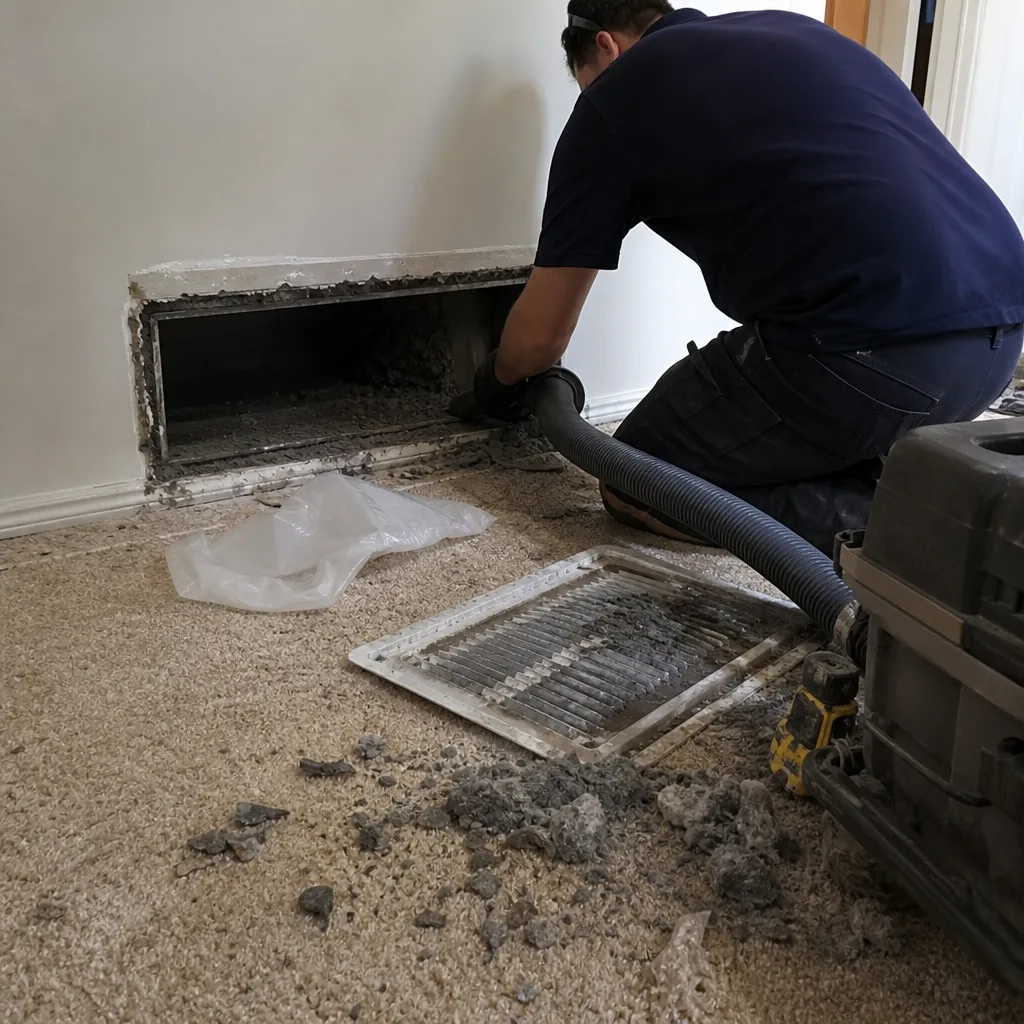 Before
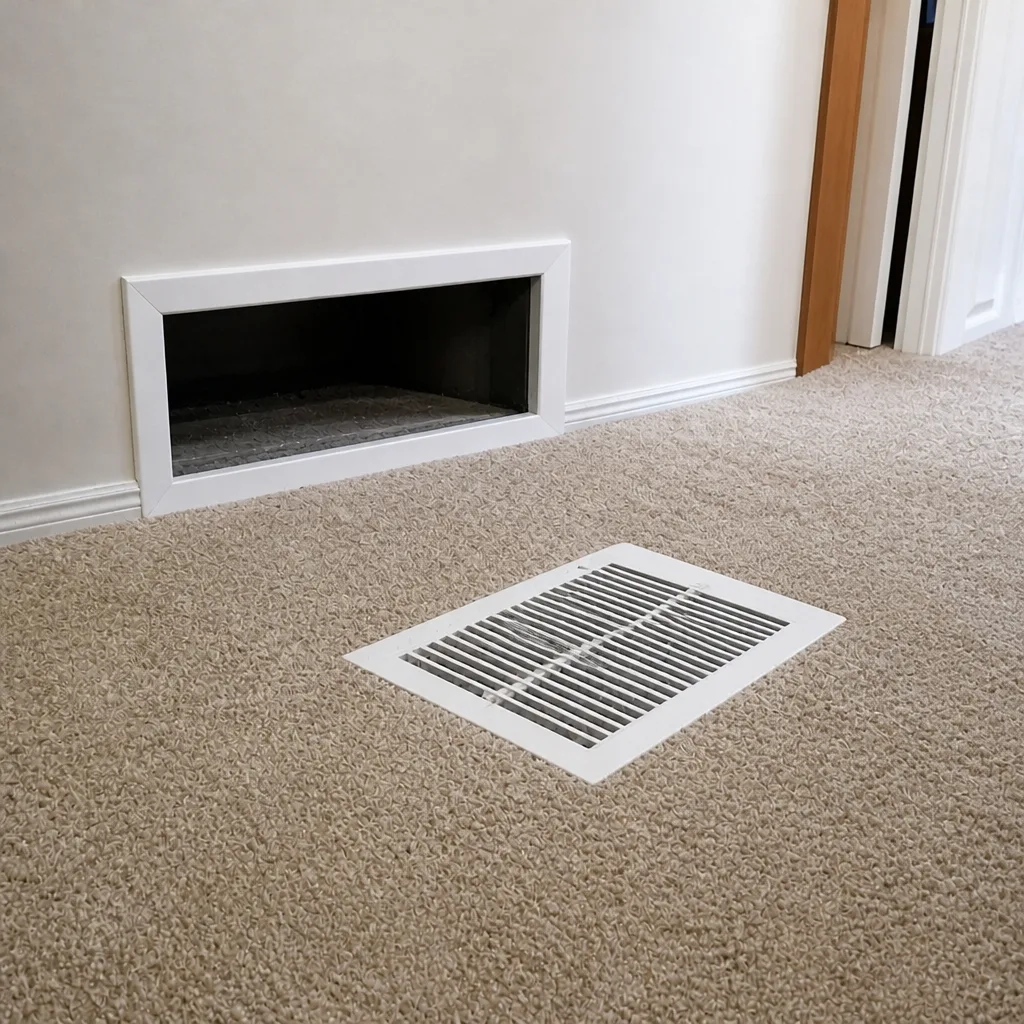 After
When to Call a Professional
Not every season calls for a full cleaning, but some conditions do. Call for a professional inspection if you’ve just finished a renovation and dust is visible at the supply registers, if a family member has allergy or asthma concerns that have gotten worse, if the return grilles are showing dark smoke residue after a heavy wildfire season, if you’ve never had the ducts inspected and don’t know the condition, or if the dryer is taking longer than usual to dry a load, which is the classic sign of a clogged dryer vent. Same-Day service is often available for the scenarios that matter most. Call (855) 677-5998. We answer 24/7. Fast dispatch from 7am to 7pm, Sunday through Friday. The estimate is free and the price is set per job by the written estimate, agreed before work starts. Our technicians have up to 11 years of experience, and every job uses professional-grade equipment from Rotobrush and Nikro, with Abatement Technologies on hand for jobs involving contaminants. dryer vent cleaning can be booked as a standalone visit if that’s the only concern.
Frequently Asked Questions
Most University Park homes benefit from a cleaning in early fall before furnace startup, plus a spring inspection and filter check, with an additional cleaning in late spring when the previous summer or winter was particularly heavy. A fixed 3-to-5-year schedule ignores the seasonal load, and in this climate the timing of the cleaning matters more than the frequency.
Cheap quotes in this trade usually rely on a low teaser price that becomes a much larger invoice once the technician is on site, often because the price is quoted per vent and the vent count grows. The honest way to buy this work is a flat price per system agreed before work starts, before-and-after photos of your own ducts, and a written estimate that sets the final price. Call (855) 677-5998 for an exact quote; estimates are free.
Yes. Wildfire smoke particulate enters through the return air and settles on duct surfaces, and it’s finer than the dust a standard cleaning targets. During smoke events, running MERV-13 filtration and confirming fresh air intakes are limited helps, and the right time to clean is after the smoke event clears rather than during. Abatement Technologies filtration tools are designed for exactly this class of contamination.
Ask for before-and-after photos of your own ducts, taken inside the system at the return and supply sides. A professional cleaning leaves visible evidence, and photos of your own system are the proof that removes the guesswork. If a company can’t show you photos of your own ducts, that’s the sign to look elsewhere.
MERV-13 is the right filter for summer and wildfire smoke season, provided it’s in a properly sized filter cabinet. Running MERV-13 in a small return grille causes airflow restriction that can strain the blower. For most homes, MERV-13 in summer and MERV-8 in the heating months is the right seasonal split.
Dryer vent cleaning is usually needed once a year for a typical household, and more often if towels and heavy loads are dried frequently or if the vent run is long. Lint accumulation in the vent is a documented fire hazard, and it doesn’t show up as a performance problem until the vent is badly clogged. It’s worth a check at every fall pre-season visit.
Cleaning removes the pollen, dust, and smoke residue that circulate through the system during allergy season, and sealing leaks prevents unfiltered air from being pulled in from attics and crawlspaces. Combined with the right seasonal filter strategy, it addresses the source of a lot of indoor air quality complaints. It’s not a replacement for medical advice on allergies and asthma, but it’s a genuine improvement to the indoor environment.
Duct cleaning focuses on the ductwork, while HVAC cleaning covers the air handler, blower wheel, evaporator coil, and other components that move air through the system. In practice, both are usually scheduled together, and the seasonal strategy in this guide covers the whole system rather than just the ducts. Professional-grade equipment from Rotobrush, Nikro, and Abatement Technologies makes the combined visit more thorough than duct cleaning alone.
The Bottom Line
University Park’s four seasons load a duct system in four different ways, and a single annual cleaning leaves three of those loads unaddressed. The fall furnace startup is the highest-stakes moment in the cycle, wildfire smoke brings a late-summer contamination that needs the right equipment to clear, and the filter strategy should change with the seasons rather than staying fixed. Build the calendar around the area’s actual air quality cycle: inspect in late winter, clean before cooling season, run MERV-13 in summer, and schedule the annual cleaning before the first furnace run in September. Add dryer vent cleaning each year as a safety baseline. That approach produces cleaner air through the whole year than a single cleaning ever could.
Get a Free Estimate
University Park Air Duct Cleaning Pros offers free estimates to homeowners and property managers across University Park. Our technicians have up to 11 years of experience, and every job uses professional-grade equipment from Rotobrush and Nikro, with Abatement Technologies filtration on hand for jobs involving genuine contamination. We offer five core services under one roof: University Park Air Duct Cleaning Pros, dryer vent cleaning, HVAC cleaning, duct repair and sealing, and air quality and sanitizing with Guardsman protective treatments. One call covers cleaning, sealing, and sanitizing, with before-and-after photos of your own ducts and one flat price per system agreed before work starts. Call (855) 677-5998. We answer 24/7. Fast dispatch from 7am to 7pm, Sunday through Friday. Same-Day service is often available for the scenarios that matter most.
Written by the team at University Park Air Duct Cleaning Pros.