
Last updated November 24, 2026
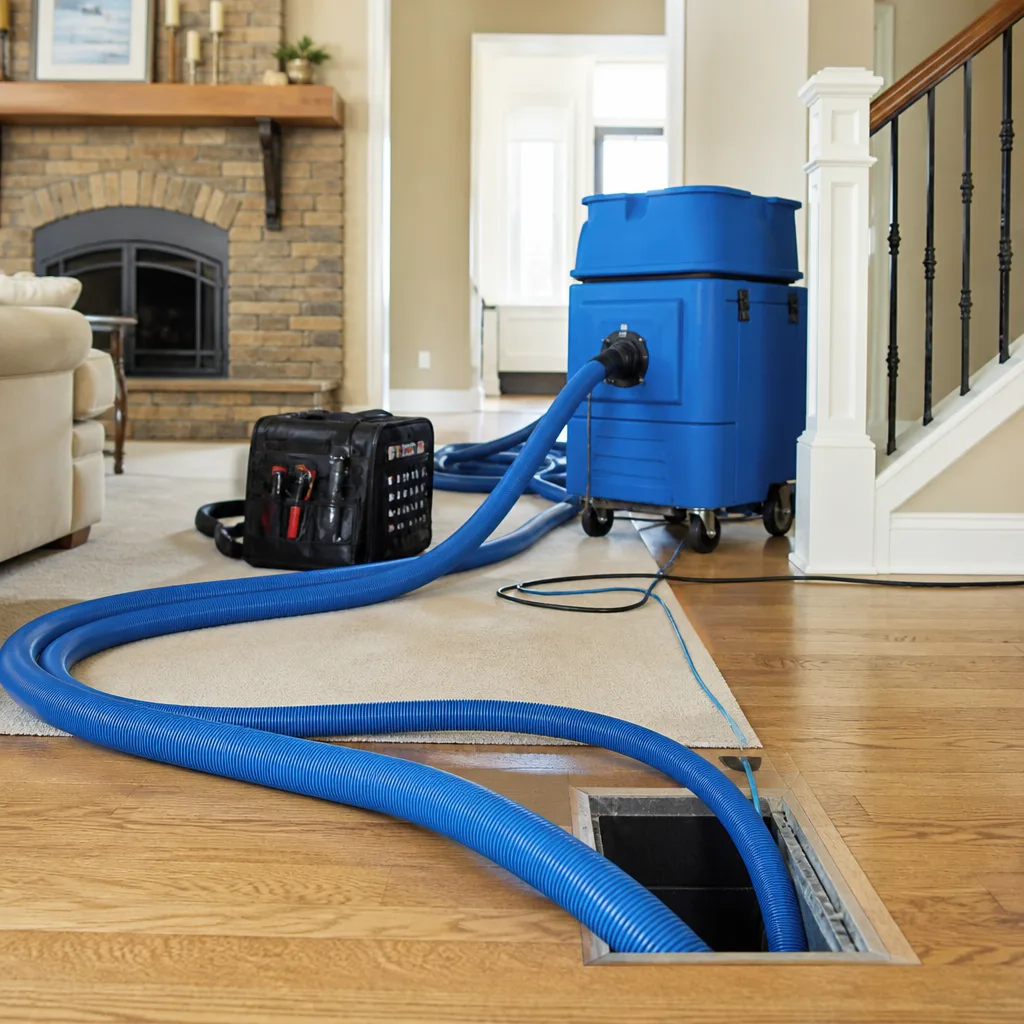 Whole-home duct cleaning
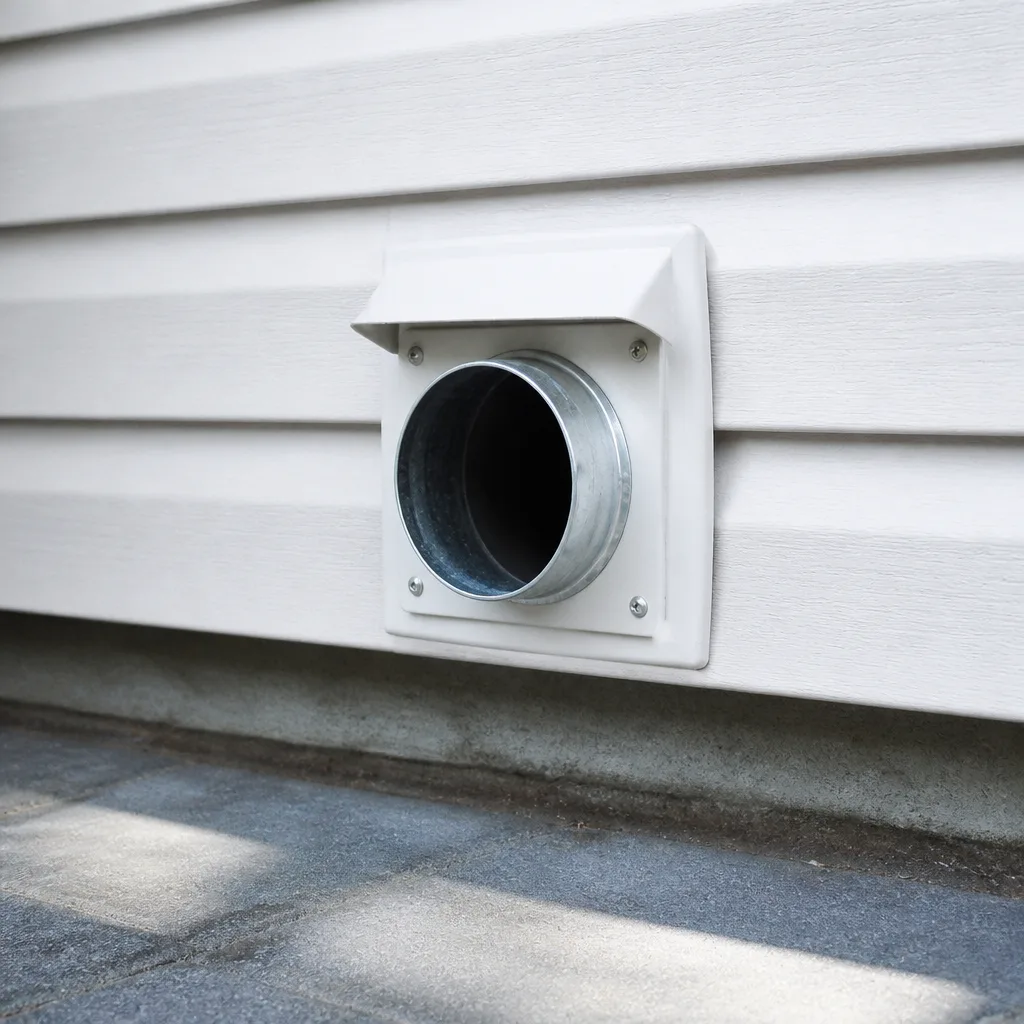 Dryer vent cleaning
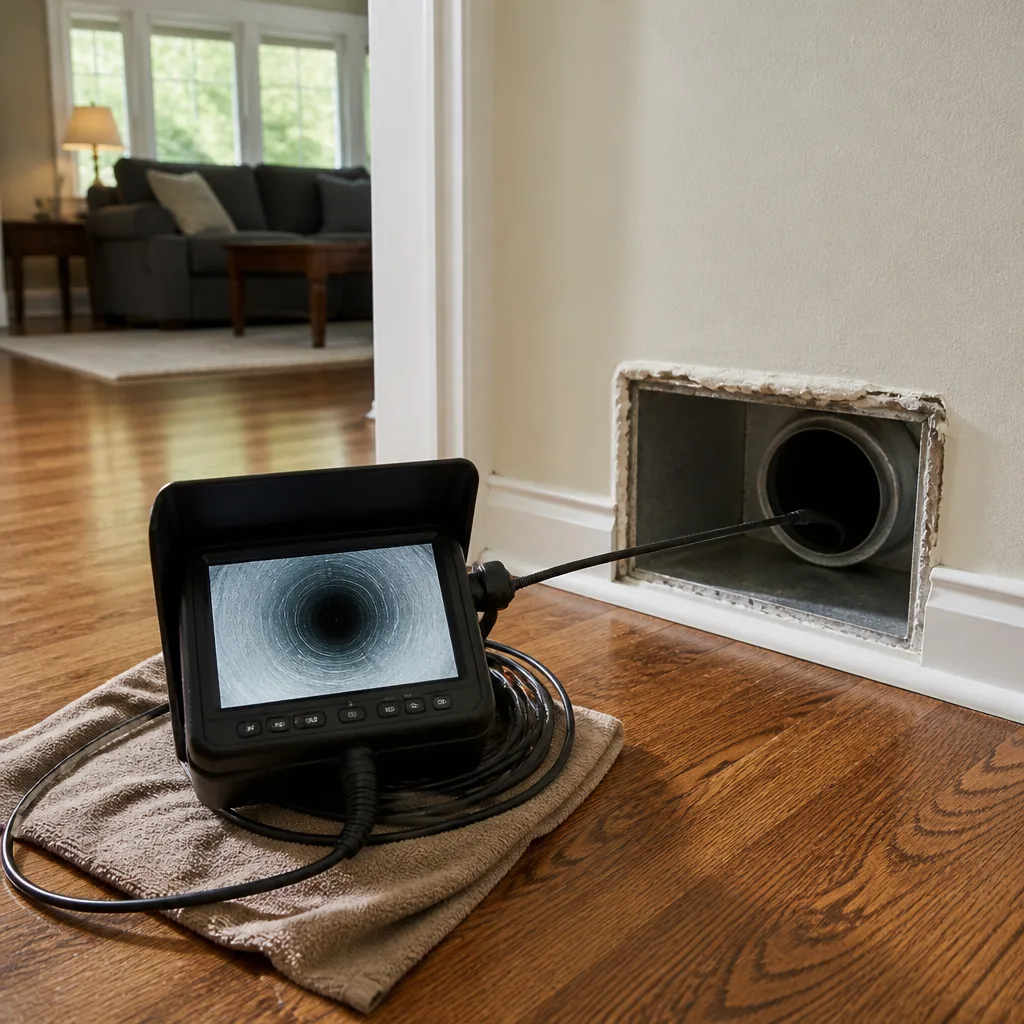 Camera inspection
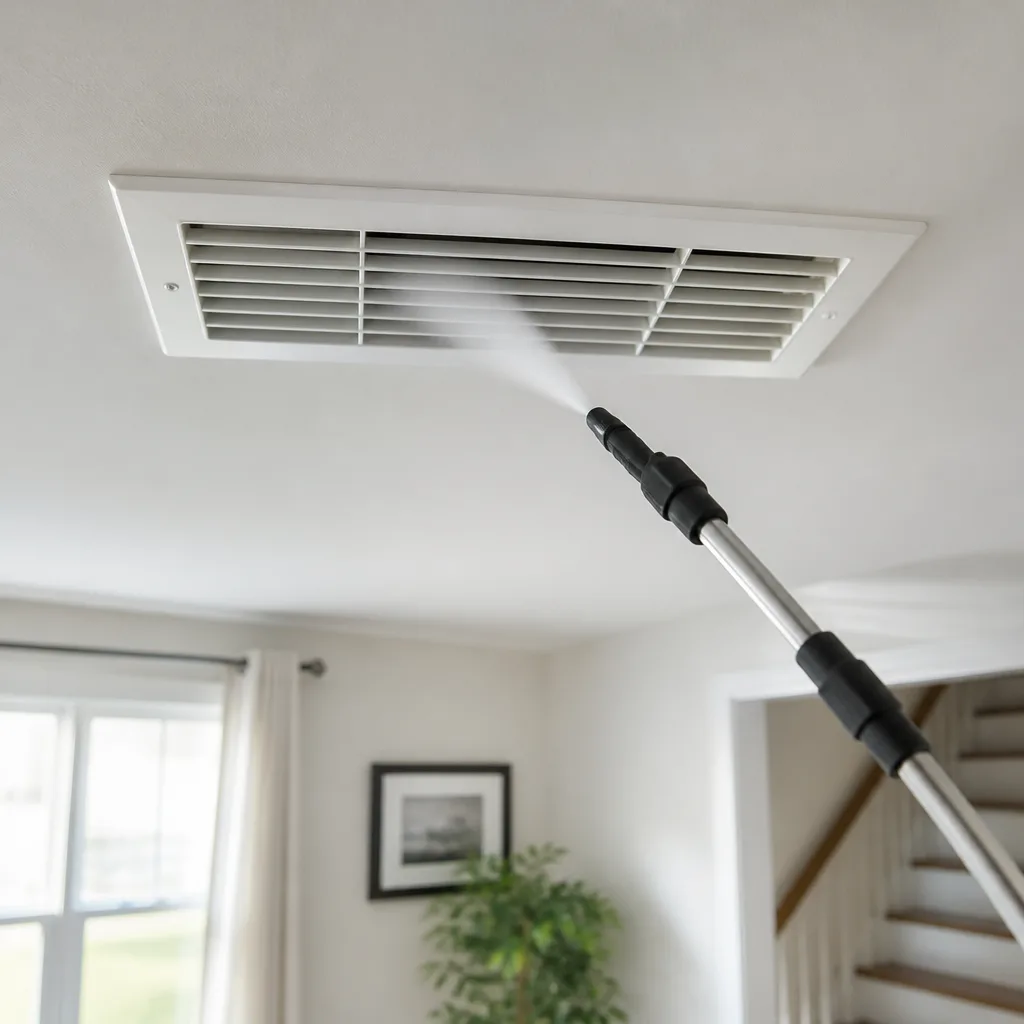 Sanitizing & deodorizing
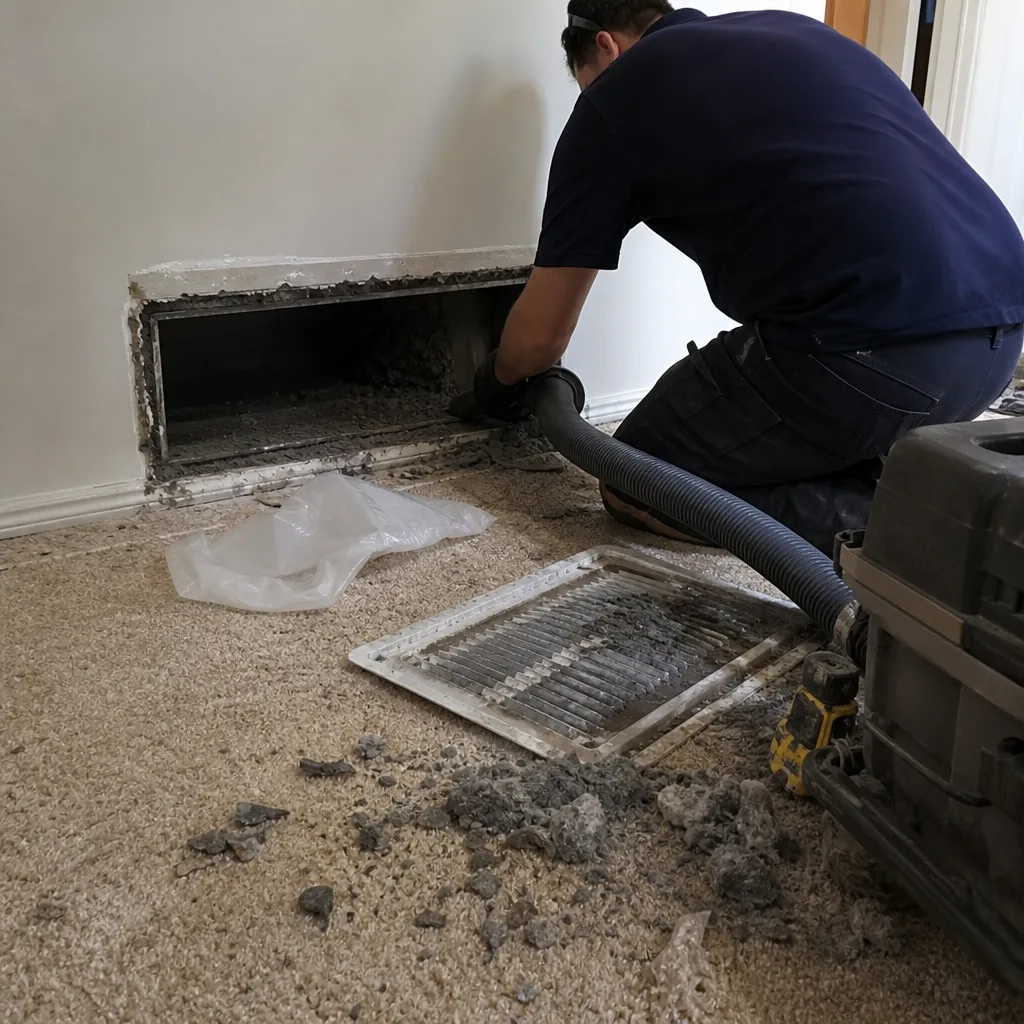
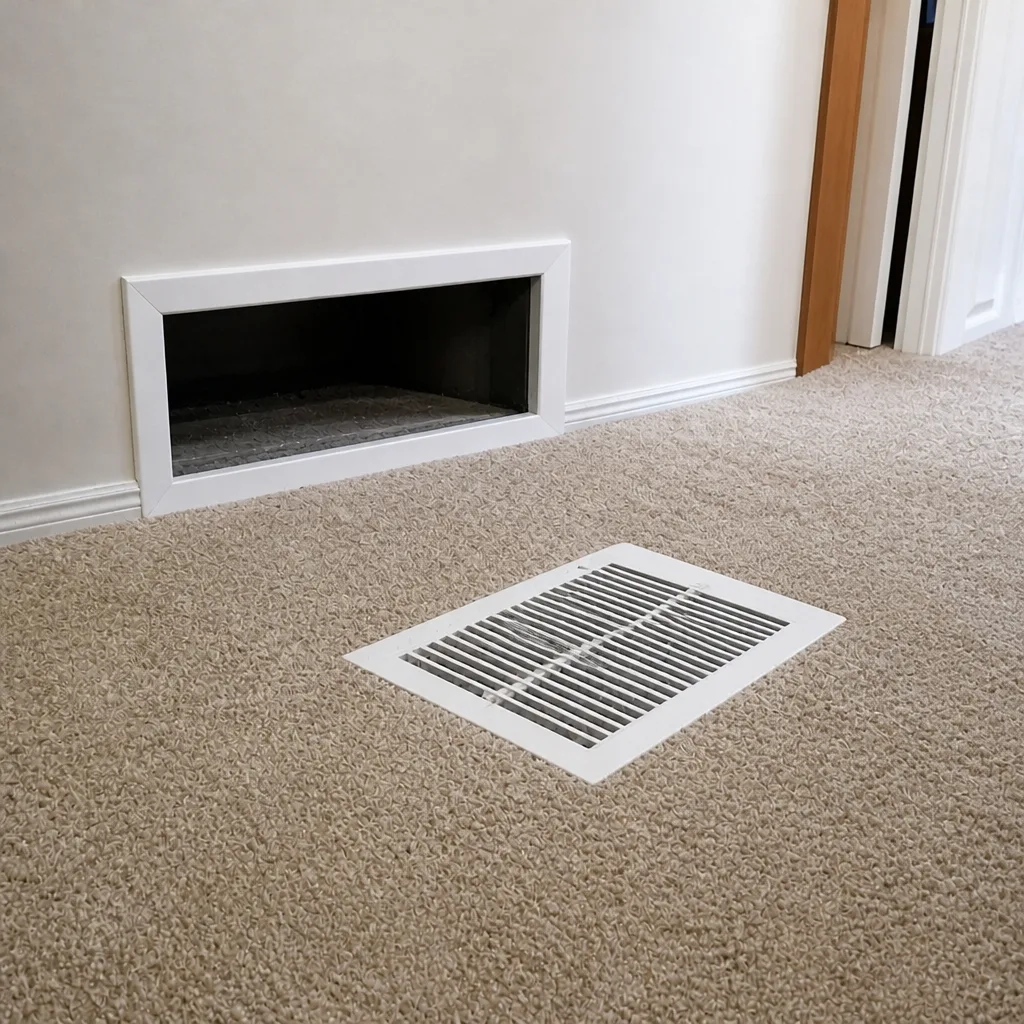
Whole-system duct and dryer vent check with before-and-after photos - you see exactly what came out of your vents
That "$99 whole-house special" is a bait ad - the real number appears once they are in your hallway, or the "clean" is a shop-vac at the register. We photograph the inside of your ducts before and after instead.
Air Duct Cleaning Maintenance Checklist for University Park Homeowners
The most expensive duct cleaning job is the one that could have been prevented by a 15-minute quarterly walkthrough. That’s not a sales line. It’s how our technicians actually think about residential air quality work, and it’s the opposite of how most homeowners think about their ducts, which is: ignore them until something smells, someone starts coughing, or a contractor selling a coupon mentions the word “cleaning.” Maintenance isn’t the same thing as cleaning. It’s a diagnostic schedule, and this guide breaks it down by month, by quarter, and by year, with the specific inspection points to check at each stage. It’s written for University Park homeowners who’d rather catch filter failure and mechanical drift early than pay for a full remediation event later.
Quick Answer
A workable air duct maintenance routine in University Park means checking your filter monthly, walking every register quarterly to compare airflow and listen for changes, and scheduling a professional inspection and cleaning on a roughly two-to-three-year cadence unless local triggers like wildfire smoke season, cottonwood bloom, or furnace startup say otherwise. The single highest-value habit is documenting what you find each time, because that record becomes your maintenance history. That’s the whole checklist. Everything below is the detail.
Styles & brands we work with
- Whole-home duct cleaning
- Dryer vent cleaning
- Camera inspection
- Sanitizing & deodorizing
Table of Contents
- Why Duct Maintenance Is a Diagnostic Schedule, Not a Cleaning Reminder
- The Monthly Checklist: Five Minutes at the Filter and Registers
- The Quarterly Walkthrough: What Your Registers Tell You Without Tools
- The Annual Deep Check: Furnace Startup, Liner Inspection, and Documentation
- University Park Triggers: Wildfire Smoke, Cottonwood Bloom, and Fall Furnace Startup
- How to Visually Inspect Accessible Duct Sections
- Building a Credible Maintenance History for Resale and Insurance
- Professional Cleaning Cadence and What Actually Happens
Why Duct Maintenance Is a Diagnostic Schedule, Not a Cleaning Reminder
Most duct cleaning advice on the internet amounts to “change your filter and vacuum your registers.” That’s fine as far as it goes, and it goes almost nowhere. A real maintenance schedule does what a doctor’s annual physical does. It establishes a baseline, checks for deviation, and catches problems while they’re cheap. Ducts are the same idea. Your system is a closed mechanical loop with measurable behavior: airflow at each register, filter loading rates, noise, and static pressure. When one of those shifts, something changed upstream. The walkthrough is how you catch that shift before it turns into contaminated liner, a failed blower, or a full tear-out.
There’s a second reason this matters in University Park specifically. Homes here run heat through long fall and winter stretches, which means a furnace and duct system work hard for months, and any debris or microbial growth sitting in the ductwork gets cycled through the house continuously. A duct network that sees heavy seasonal use doesn’t fail suddenly. It drifts. Slack accumulates in the flex runs. A register gets bumped. The filter gets changed two weeks late, then a month late. Each of these is small. Together they’re how a house ends up needing remediation-grade cleaning instead of routine cleaning.
The checklist below is the internal version, and by “internal” we mean the sequence trained technicians follow when they walk a house for a routine visit. Our technicians have up to 11 years of experience, and what they check first is always the same: baseline, then deviation. You can do the same thing with a notebook and a flashlight. What you’ll find is that the actual work of maintenance is mostly observation and record-keeping, not scrubbing.
The Monthly Checklist: Five Minutes at the Filter and Registers
The monthly pass is short. It’s the layer that catches filter failure and gross airflow problems before they cost anything.
- Pull and inspect the filter. Hold it up to a light source. If you can’t see light through more than a small fraction of the media, replace it. The one-month filter is a diagnostic, not a chore: a filter that loads faster than expected tells you there’s debris in the return side.
- Note the filter’s load pattern. Even loading across the whole face means normal. Loading on one edge or one corner means the return air path has an imbalance and is worth a professional look.
- Touch the filter housing gasket. If the filter sits in a slot with visible gaps around it, unfiltered air is going around the filter and straight into the coil. That’s a sealing issue, and it’s more common than people realize.
- Check every return register for visible dust drift. A return with a visible dust plume beyond a light coating means the return path is sourcing debris from somewhere, sometimes an open stud bay or a loose fitting.
- Compare supply airflow by hand. Hold your hand at each supply register. Hot or cold air should feel roughly even across registers on the same branch. A register that’s noticeably weak or strong is a data point.
- Write it down. Date, filter condition, any anomalies, register comparison notes. Two lines per month.
That’s the whole monthly pass. It takes less time than checking your email. In University Park, the useful habit is to anchor it to something you already do monthly, like paying a bill or flipping the calendar. The reason we push documentation is simple: a written monthly record is the only way to catch slow drift. A filter that loads a little faster each month doesn’t feel like anything. On paper, it’s obvious.
The Quarterly Walkthrough: What Your Registers Tell You Without Tools
Registers carry information, and most homeowners never read it. This is the pass where you walk every register in the house and compare. No tools, no gauge, just observation, and what you’re listening for is disagreement.
- Airflow balance. All supply registers should deliver roughly comparable volume. A single weak register on a long branch usually means a crushed or disconnected flex run, a kinked elbow, or a partially closed damper. A single strong register on the same branch usually means the run is too short or the damper is wide open while others are restricted.
- Sound. Whistling at a register means a gap in the boot or the fitting is undersized. Rattling means loose ductwork that needs to be secured. A hum that changes with furnace operation is usually a blower issue, not a duct issue.
- Temperature unevenness. Rooms that run a few degrees hot or cold compared to the rest can indicate leakage at a joint, a disconnected run, or a system that isn’t balanced. Temperature is one of the most useful readings you can take without a gauge.
- Register face appearance. A black or gray film on the grille face is normal (dust-laden air passing through). Rust or water staining is not: it can indicate condensation in a poorly insulated duct, and that needs a look. Spots that look like dark stippling can be microbial growth, and that’s a professional-level question.
- Visible debris at the boot. A light dust coating is expected. Coarse debris, construction grit, or anything that looks like insulation fibers at the register face is a signal that debris is traveling through the system.
The University Park angle on the quarterly pass: cottonwood bloom drops fine fibrous seed material in spring, and if return grilles pick any of it up you’ll see it at the filter in the following month. If you’re going to skip a quarterly pass, don’t skip the one after cottonwood bloom. That’s the one that tells you the most.
The Annual Deep Check: Furnace Startup, Liner Inspection, and Documentation
The annual pass is where you combine what you found all year with a proper look at the parts you can’t see from the register. In University Park, the right timing is a few weeks before you turn the furnace on for the season, typically late summer into early fall.
- Schedule the professional inspection before furnace startup. A pre-season visit lets a technician look at the return plenum, the A-coil area, and accessible trunk runs while the system is off, and it lets you get any repair and sealing done before you’re depending on heat every day. One call covers cleaning, sealing, and sanitizing, which is the practical reason to bundle them.
- Inspect liner condition at every access point. Duct liner (the internal coating on some systems, or rigid-board duct) shows wear as scuffing, delamination, or visible gaps. Liner failure is one of the most useful things to catch annually because it’s a contamination source and a leakage source in one.
- Look for moisture evidence around the coil and drain pan. Water staining, rust, or standing water are the three things you don’t want to find. A pan with even a thin layer of standing water is a microbial growth environment, and that’s a professional call.
- Verify filter and housing alignment. The annual pass is the time to confirm the filter still seats fully and that no gasket has shrunk or degraded over the year.
- Review your twelve months of notes. Any pattern (faster filter loading, a register that drifted weaker, temperature unevenness that appeared mid-year) is worth flagging for the technician. They can look directly at the branch in question rather than hunting for it.
- Re-photograph every register and access point. A baseline photo from last year and one from this year make the comparison objective.
The dryer vent belongs on this annual pass too, and it gets ignored by plenty of HVAC companies. Your dryer vent is a fire risk, and lint accumulation is invisible until it isn’t. dryer vent cleaning as a standalone service once a year is the minimum we recommend, more often if you run many loads per week.
University Park Triggers: Wildfire Smoke, Cottonwood Bloom, and Fall Furnace Startup
University Park has three predictable seasonal events that ask for additions to the standard schedule. Missing them doesn’t cause a disaster, but each one has a specific cost if you ignore it.
Wildfire smoke season. When regional smoke settles in, the fine particulate load outside goes up and your filter becomes the front line. During heavy smoke stretches, check the filter every two to three weeks rather than monthly. If your system has a filtration upgrade, wildfire smoke season is exactly when a higher-MERV filter earns its cost. The trade-off is real: high-MERV filters load faster and restrict airflow more. That’s why the pressure gauge habit matters. If you don’t have one, listen for a change in blower noise after swapping to a higher-MERV filter. A noticeably louder blower means the system is working harder than the motor was designed for.
Spring cottonwood bloom. Cottonwood fluff is fine, fibrous, and airborne. In University Park it reaches return grilles before it reaches anything else. In the weeks after bloom, watch for fluff at the return register faces and expect to change the filter sooner. If the return-side ductwork has any gaps at joints, cottonwood will find them. That’s a sealing point worth flagging to a technician.
Fall furnace startup. The first heat cycle of the season is when the system runs hot for the first time in months and puts the most stress on everything from the blower to the duct liner. A pre-startup professional visit is worth scheduling in advance because the alternative is waiting until the first cold morning reveals a problem. Cold-morning air quality complaints (dust smell, stale odor, faint burning smell at first heat) are the system telling you it needs attention.
Every one of these three is a checklist-addition, not a replacement. Monthlies and quarterlies run on the same cadence; the triggers just mean you add a check or shorten the interval temporarily.
How to Visually Inspect Accessible Duct Sections
You can see more than you’d think by using the access points. A flashlight and a phone camera will get you a look at the return plenum, the A-coil area, and the first few feet of accessible trunk and flex runs. The point of the visual is not to diagnose, it’s to know what’s normal so you can flag what isn’t.
What to look for:
- Light debris. A thin, even dust coating on the duct interior walls is expected. Normal.
- Microbial growth indicators. Discoloration (dark stippling, mottled black-gray patches), any fuzzy or velvety texture, or a musty smell in the plenum. Rust or moisture staining on the interior. These are the things that push a routine job into remediation-grade territory.
- Debris accumulation. Coarse debris, construction dust, drywall grit, or visible piles at the bottom of a rigid trunk run. Normal ducting does not accumulate piles at the base. If you see them, ask a professional to look.
- Liner deterioration. Scuffing, delamination, or internal gaps where the liner has separated from the duct wall. Any of these is a professional call.
- Connection integrity. Visible gaps at joints, mastic peeling, or flex runs that have pulled off a boot or fitting. These are air leakage points and debris entry points.
- Insulation condition. External duct insulation that’s crushed, torn, or missing creates condensation risk in cooling season and heat loss in heating season. Both show up as temperature unevenness at the register.
Safety first: turn the system off at the thermostat before opening any access point, and never reach into ductwork without knowing what you’re looking at. The furnace and A-coil areas involve electrical components, and if a visual turns up anything suspicious (moisture, growth, damaged liner) the next step is a professional, not a scrub brush. Rotobrush contact cleaning, Nikro equipment, and Abatement Technologies filtration tools are what a remediation-grade job actually requires. That’s professional-grade equipment, residential pricing, and it’s the difference between a cleaning that resolves a contamination problem and a surface pass that doesn’t.
Building a Credible Maintenance History for Resale and Insurance
A maintenance history is a document, and the reason it matters is that it changes how buyers and insurers read your house. Seller’s disclosure asks what you know and what you’ve done. A written record of monthly filter checks, quarterly register observations, and annual professional cleanings is a more credible answer than “we had it cleaned once.”
What a useful log includes:
- Dates of each check and each professional service.
- Filter type and replacement date every time, including any change in MERV rating.
- Observations with photos of each register and access point, ideally taken from the same angle each time.
- Professional service reports with the service performed and the equipment used. Before-and-after photos of your own ducts are on that report if the job was done properly.
- Any repairs and sealant work with dates, since sealing improvement shows in future register airflow readings.
- Dryer vent cleaning dates, kept in the same file.
An electronic folder with monthly photos and yearly service reports is enough. Two years of that record reads as clearly above-average attentive ownership when a buyer or a property manager looks at it. We’ve seen it shift negotiating conversations more than once, simply because it existed. That’s the whole argument for maintaining it. The evidence isn’t useful if you don’t keep it.
Professional Cleaning Cadence and What Actually Happens
Professional cleaning on a roughly two-to-three-year cycle is the standard for a typical home, with adjustments for triggers (wildfire season, cottonwood, a renovation, or a new-to-you home with unknown maintenance history). If you’re a property manager running a portfolio of older systems, the cadence tightens because the systems do.
What a professional visit on this checklist should include:
- System-wide contact cleaning of supply, return, and trunk runs using professional-grade equipment (Rotobrush contact cleaning, Nikro).
- HVAC cleaning of the air handler, blower, and coil area. Cleaning the ducts without cleaning the HVAC unit leaves the source of a lot of contamination in place. That’s why clean ducts are only half the job.
- Duct repair and sealing of gaps, disconnected runs, and deteriorated joints found during the inspection. Sealing is what stops air leakage from undoing the cleaning.
- Sanitizing using Guardsman protective treatments as part of the process, which helps keep surfaces treated after the cleaning is done. Sanitizing is a separate pass, not a replacement for cleaning.
- Optional filtration and IAQ review with Honeywell and Aprilaire product options if the homeowner is planning an upgrade. There’s a real reason to put that conversation in the same visit as the cleaning: the filtration advice depends on what the technician finds in the system.
- Documentation with before-and-after photos of your own ducts and a written report of findings and any recommendations.
One flat price per system, agreed before work starts, is the way we handle pricing. No per-vent counts, no teaser coupon that becomes a larger invoice once the technician is on site. That’s the industry’s bait-and-switch reputation you’re right to be suspicious of, and the answer is a written estimate before any work begins. We handle what other duct cleaners leave behind. That’s the point of the visit. If you want to see what a full professional visit covers, our air duct cleaning service page walks through the process, and the broader HVAC cleaning page explains the air handler side. For a holistic view of what we do, University Park Air Duct Cleaning Pros covers all five services.
Common Mistakes to Avoid
- Skipping documentation because the visit “was fine.” A visit you don’t log costs you the diagnostic history that makes the next visit faster. A phone photo and two lines in a note takes less than a minute.
- Upsizing to a high-MERV filter without checking blower behavior. Higher-MERV filters restrict more airflow. If your blower starts whistling or the system runs noticeably longer, you’ve overdone the filtration and need to step back down. University Park homes with older duct layouts are especially prone to this.
- Treating register airflow as static. Flow changes. A register that was strong last quarter and is weak this quarter is telling you something (usually a damaged flex run), and ignoring it means the debris that caused it moves further downstream.
- Assuming a discount coupon duct cleaning is the same as a professional job. A per-vent teaser price rarely maps to the same equipment, the same cleaning process, or the same coverage. Ask what equipment they carry and whether HVAC cleaning is included before you book.
- Forgetting the dryer vent. Dryer vent lint is a documented residential fire hazard, and it doesn’t show up on a duct cleaning unless you specifically ask. It’s on the annual checklist as a separate line for a reason.
- Doing a visual inspection with the system running. Turn it off at the thermostat first. Never reach into ductwork you haven’t looked at, and never put a brush or rag into anything that might be near an electrical component.
- Underestimating post-renovation debris. Renovation dust gets everywhere, including past filter boundaries, and a routine surface pass won’t clear it. Post-renovation situations are one of the cases that call for remediation-grade equipment (Abatement Technologies filtration tools, for example), not a standard cleaning.
See the difference
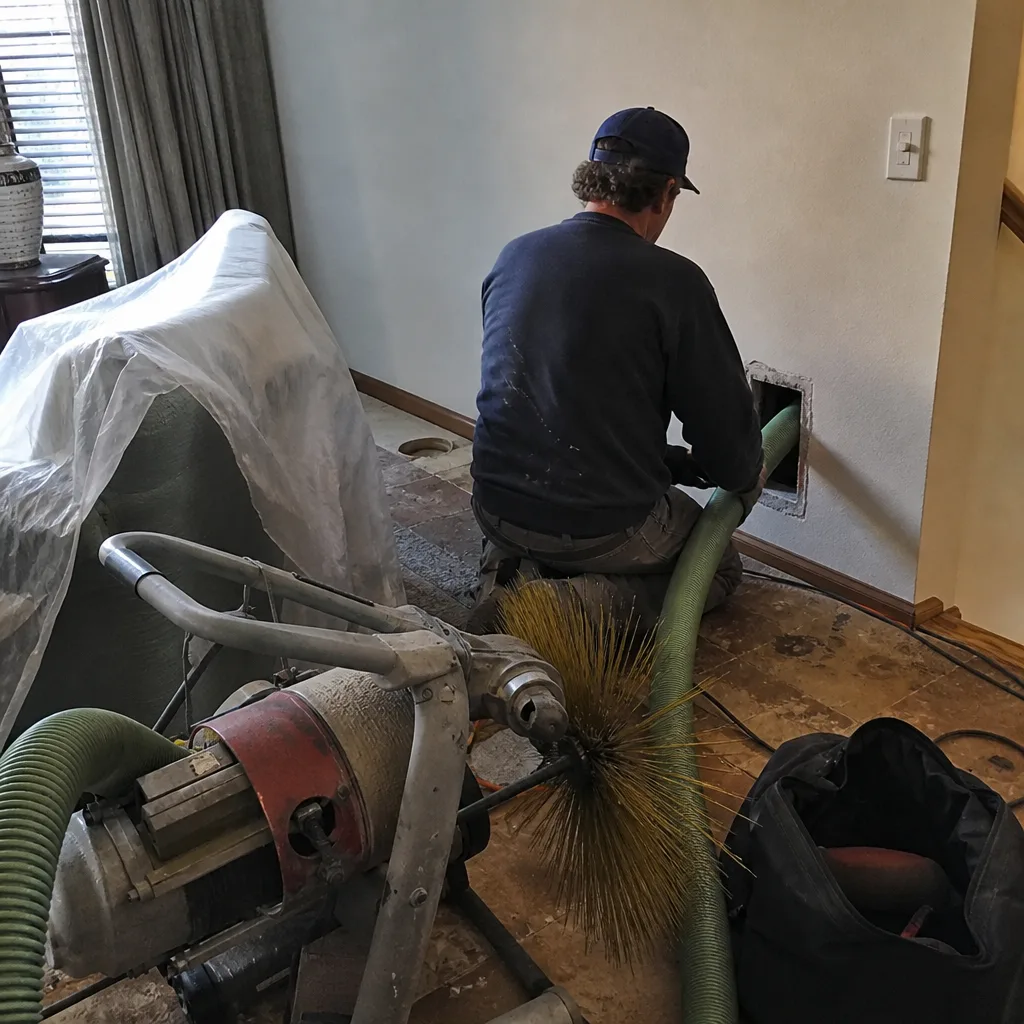 Before
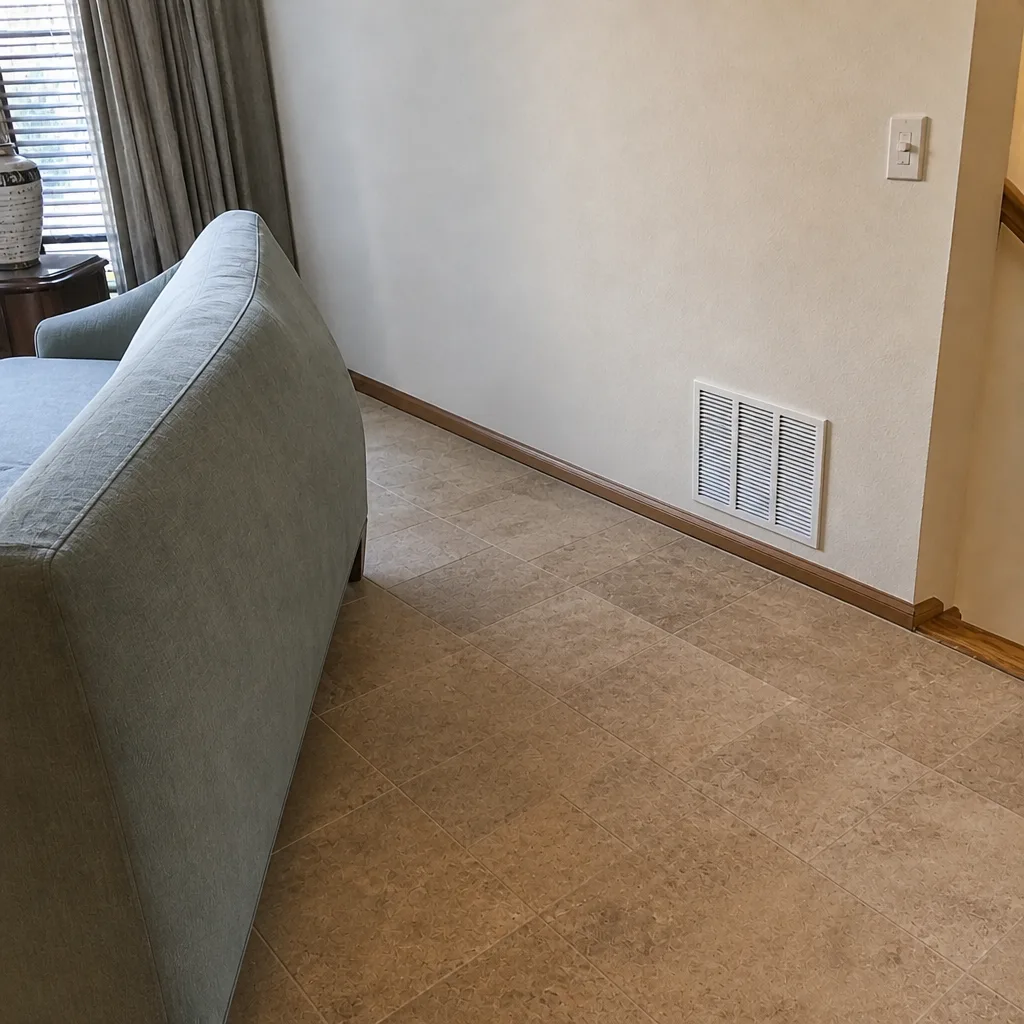 After
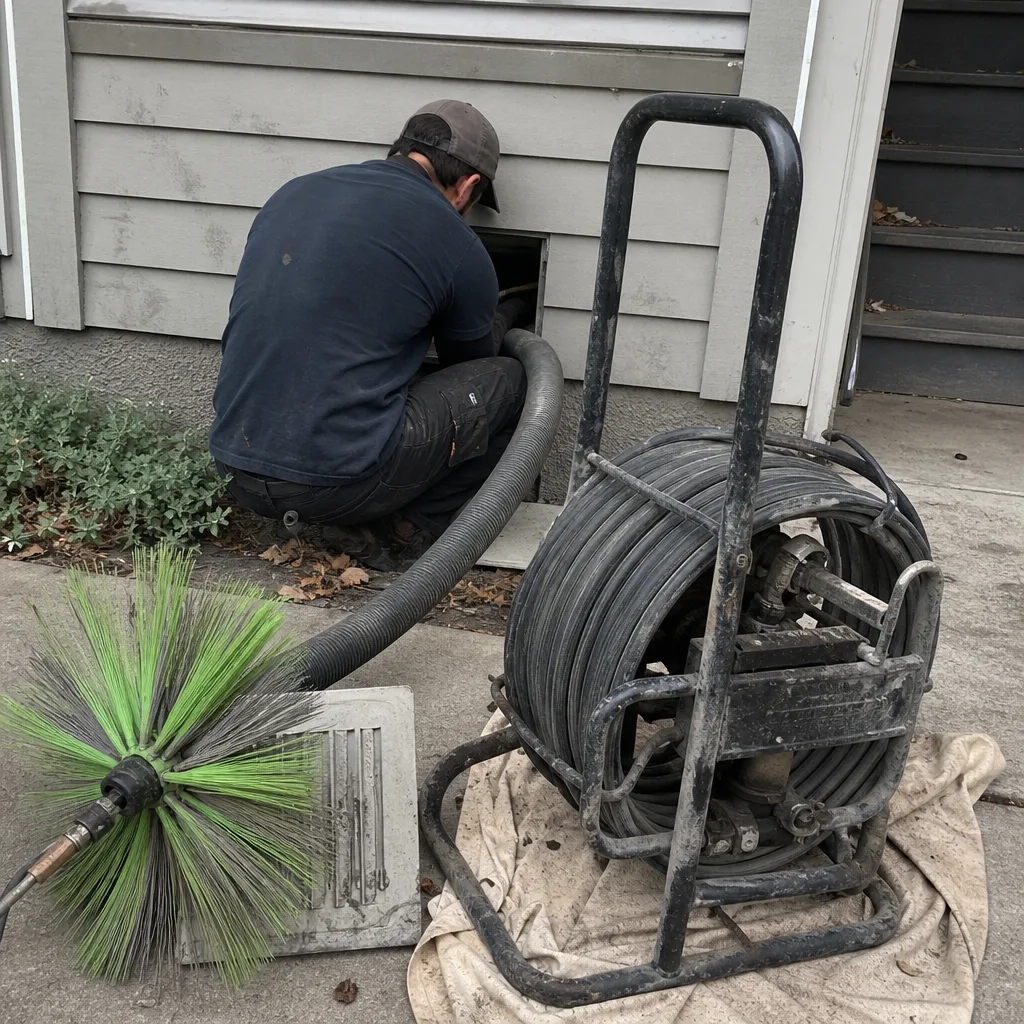 Before
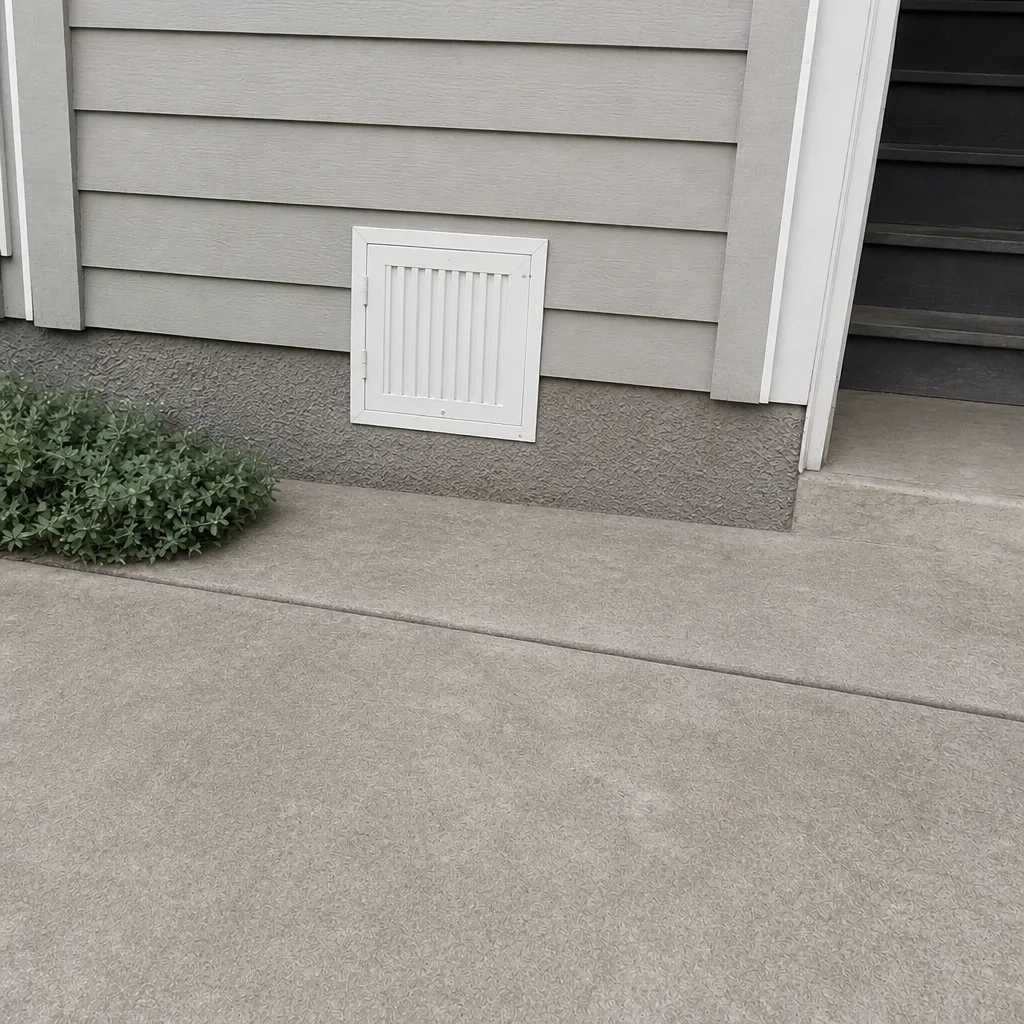 After
 Before
 After
When to Call a Professional
Call a professional when the checklist turns up something you can’t diagnose from the register: visible microbial growth, moisture or rust in the plenum, liner deterioration, a register that suddenly went weak or silent, unexpected debris piles inside an accessible duct, or the smell of must in the return air. Also call when the noise of the system has changed (blower noise, rattling, a hum that wasn’t there before), when a renovation just finished, or when you’ve moved into a home in University Park with unknown maintenance history. A repeat-visit situation (same problem twice within a year) is the clearest signal to bring in someone with the diagnostic equipment to find the cause rather than treat the symptom. University Park Air Duct Cleaning Pros offers free estimates in University Park, and one flat price per system agreed in writing before any work starts. Call (855) 677-5998. We answer 24/7. Fast dispatch from 7am to 7pm, Sunday through Friday.
Frequently Asked Questions
Roughly every two to three years for a typical home, adjusted for local triggers. University Park’s wildfire smoke season, spring cottonwood bloom, and fall furnace startup are the three events that most often shorten the interval. Homes with pets, recent renovations, or occupants with allergies or asthma usually sit closer to the two-year mark. If the quarterly walkthrough shows steady anomalies, book the professional visit sooner. Call (855) 677-5998 for an exact quote. Estimates are free.
Pricing is set per job by a written estimate based on the number of systems, duct layout, and condition (contamination level, repairs needed, sanitizing). We don’t quote per-vent because a per-vent price encourages a low headline that grows once the technician is on site. The honest way to price it is one flat price per system, agreed before work starts, and that’s the number you’ll see in writing. Call (855) 677-5998 for an exact quote. Estimates are free.
Usually because the job isn’t the same job. Cheap quotes commonly skip HVAC cleaning, skip duct repair and sealing, and don’t include professional equipment like Rotobrush contact cleaning and Nikro. That’s not necessarily dishonest; it’s just a different service at a different scope. The check that matters is whether the quote is a flat price per system in writing, and whether their process includes cleaning the air handler. If either is missing, the price comparison isn’t apples-to-apples. Call (855) 677-5998 for an exact quote. Estimates are free.
Ask for before-and-after photos of your own ducts and a written report listing the services performed and the equipment used. Any legitimate professional should offer these as a standard part of the visit. If a company can’t provide photos of the specific ducts in your home, that’s your answer. It’s also a good reason to keep the report in your maintenance log. Call (855) 677-5998 for an exact quote. Estimates are free.
No, and the reason is that register cleaning only touches the surface visible from the grille. Contact cleaning of the duct interior, the plenum, and the air handler is what actually reduces contamination. Register vacuuming is a fine small task to include in a quarterly pass. It’s not a substitute for the cleaning. Call (855) 677-5998 for an exact quote. Estimates are free.
Yes. Dryer vent cleaning is a distinct service with a distinct purpose: reducing lint that accumulates in the vent run and acts as a fire hazard. It’s not covered by a duct cleaning unless you specifically ask, and it belongs on your annual checklist as its own line item. Once a year is the minimum we recommend; more often if you run many loads per week. Call (855) 677-5998 for an exact quote. Estimates are free.
The Bottom Line
The checklist that prevents remediation is the one you actually run. Monthly filter checks, quarterly register walkthroughs, and an annual pre-furnace-startup deep pass with documentation covers the whole diagnostic picture. In University Park, add checks after wildfire smoke stretches and cottonwood bloom, and schedule the professional visit before the first cold morning of fall rather than after. Pair it with annual dryer vent cleaning and you’ve covered both fire risk and air quality on one page. Our technicians have up to 11 years of experience running this exact sequence. If the walkthrough turns up something that needs a professional, call (855) 677-5998. One flat price per system, agreed before work starts, with before-and-after photos of your own ducts when the job is done. We answer 24/7. Fast dispatch from 7am to 7pm, Sunday through Friday.
Written by the team at University Park Air Duct Cleaning Pros.