
Last updated November 24, 2026
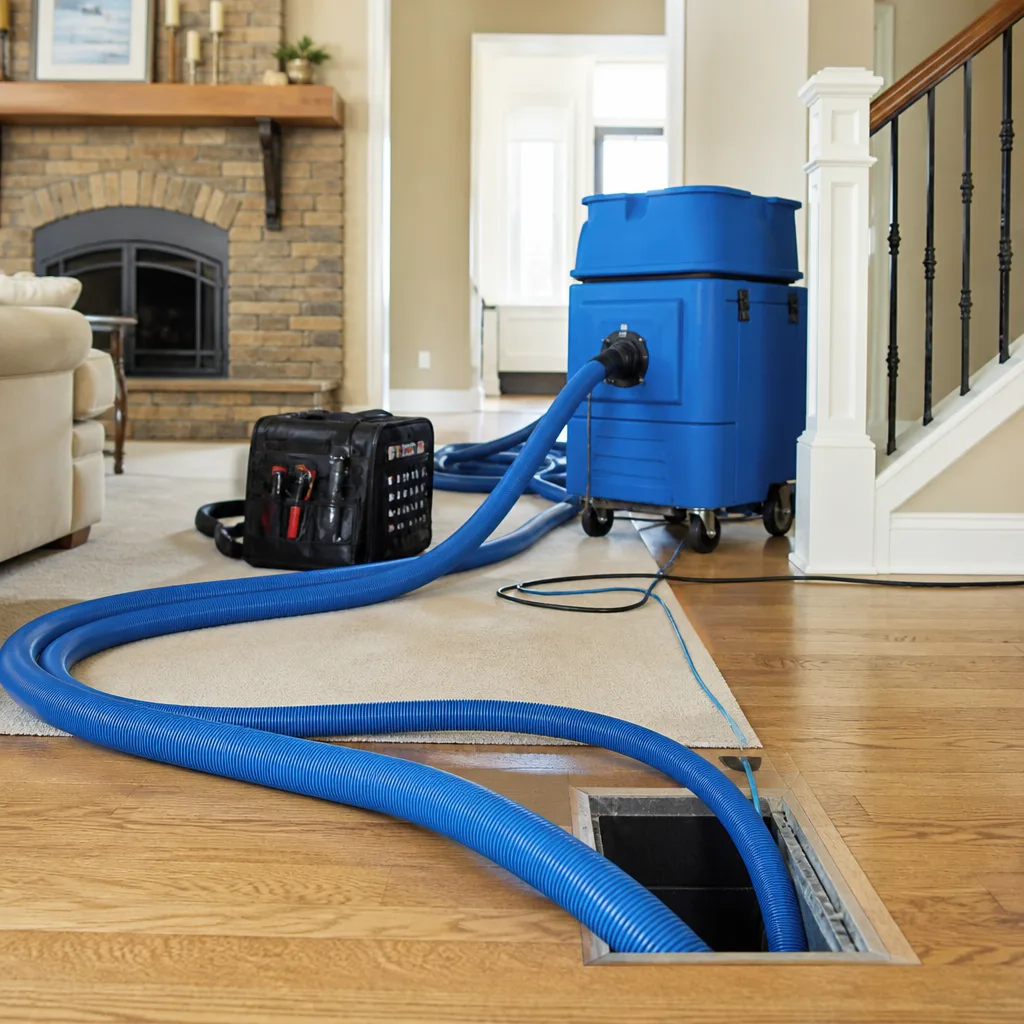 Whole-home duct cleaning
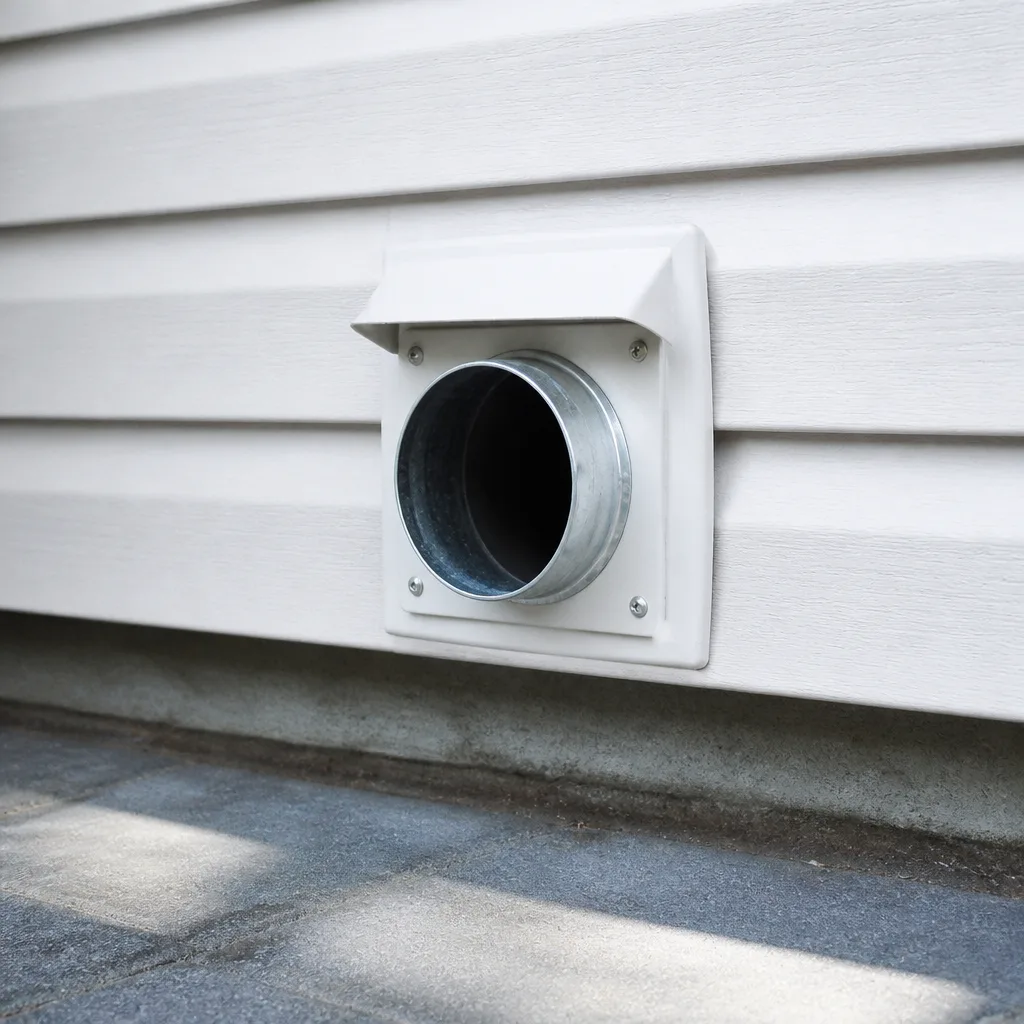 Dryer vent cleaning
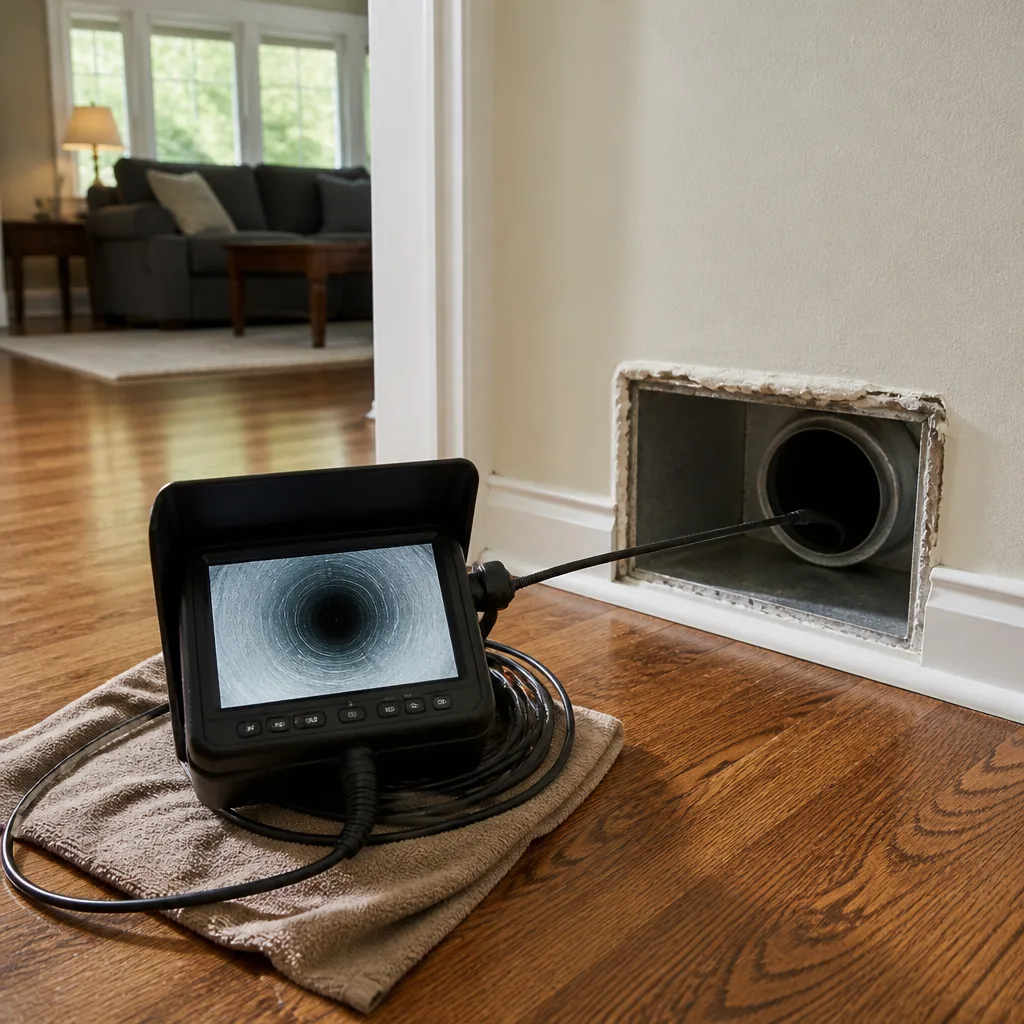 Camera inspection
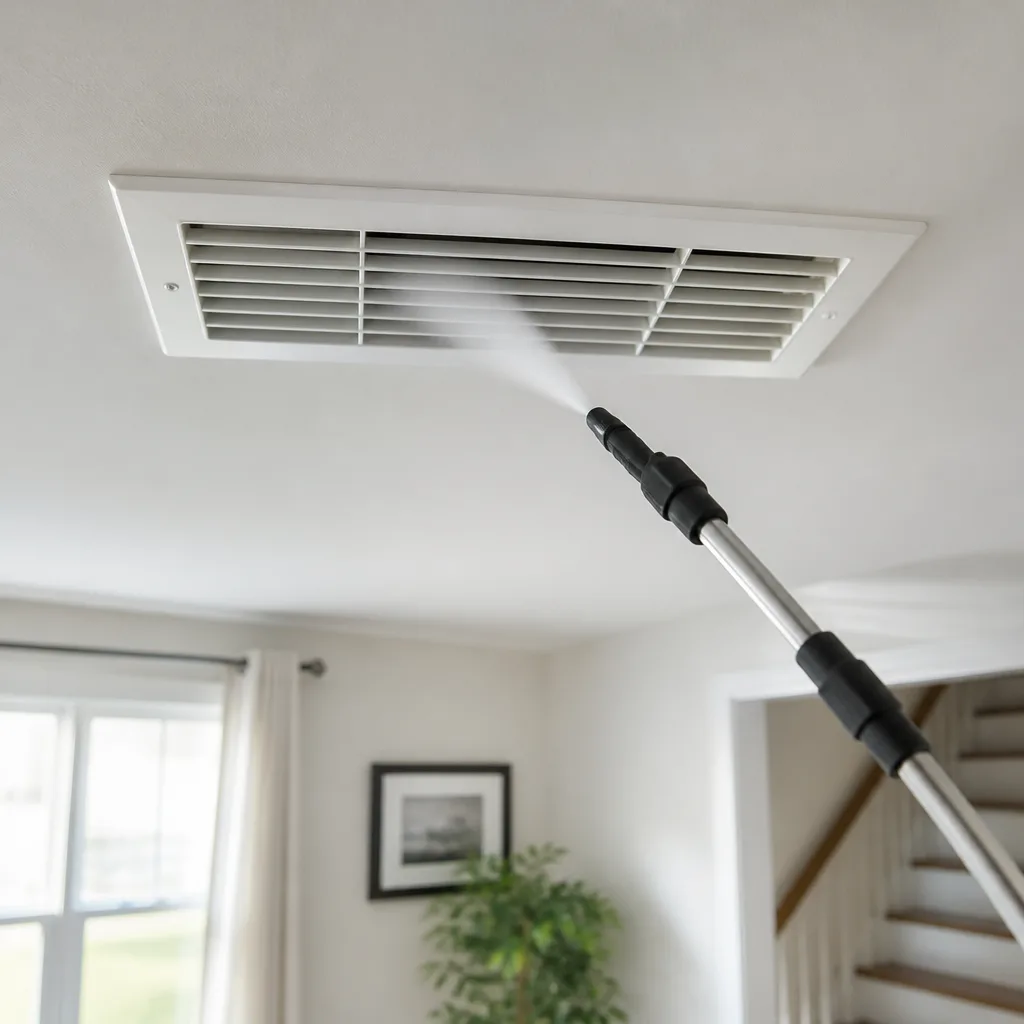 Sanitizing & deodorizing
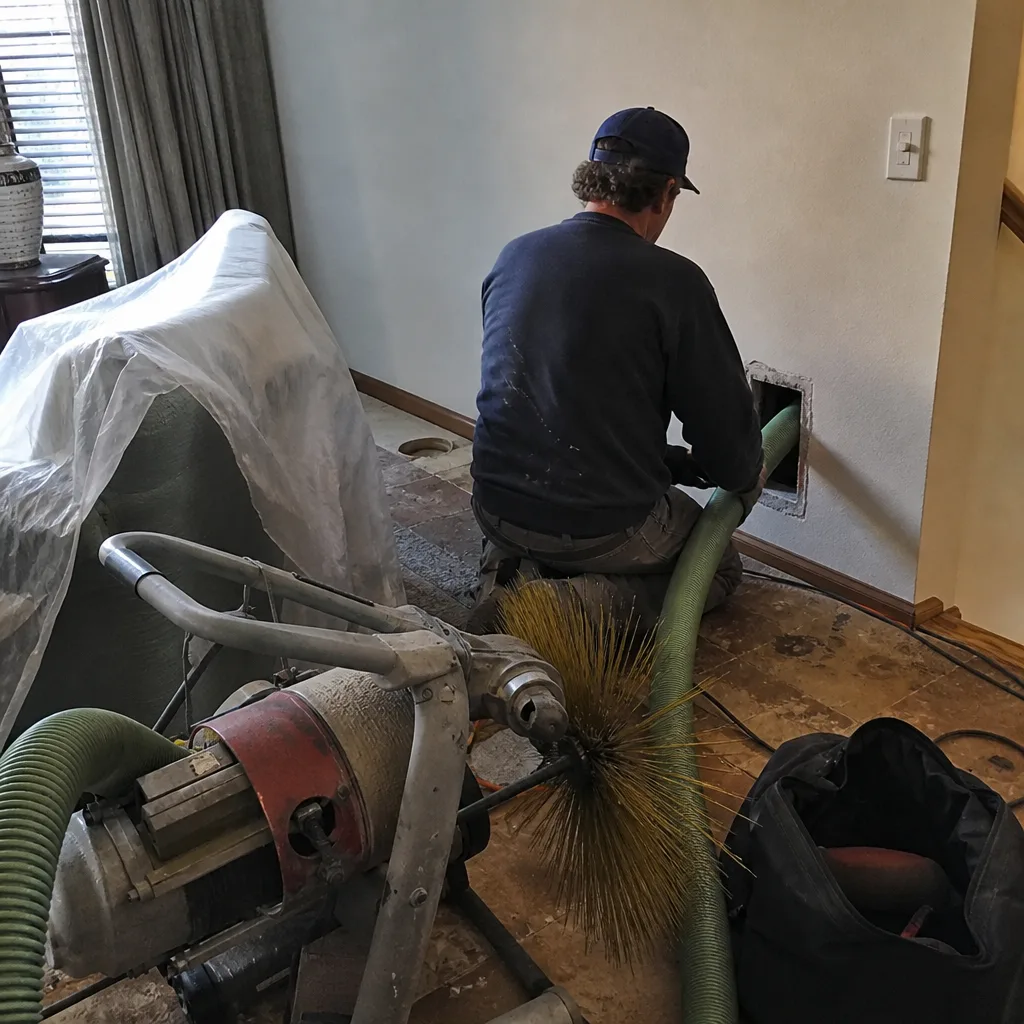
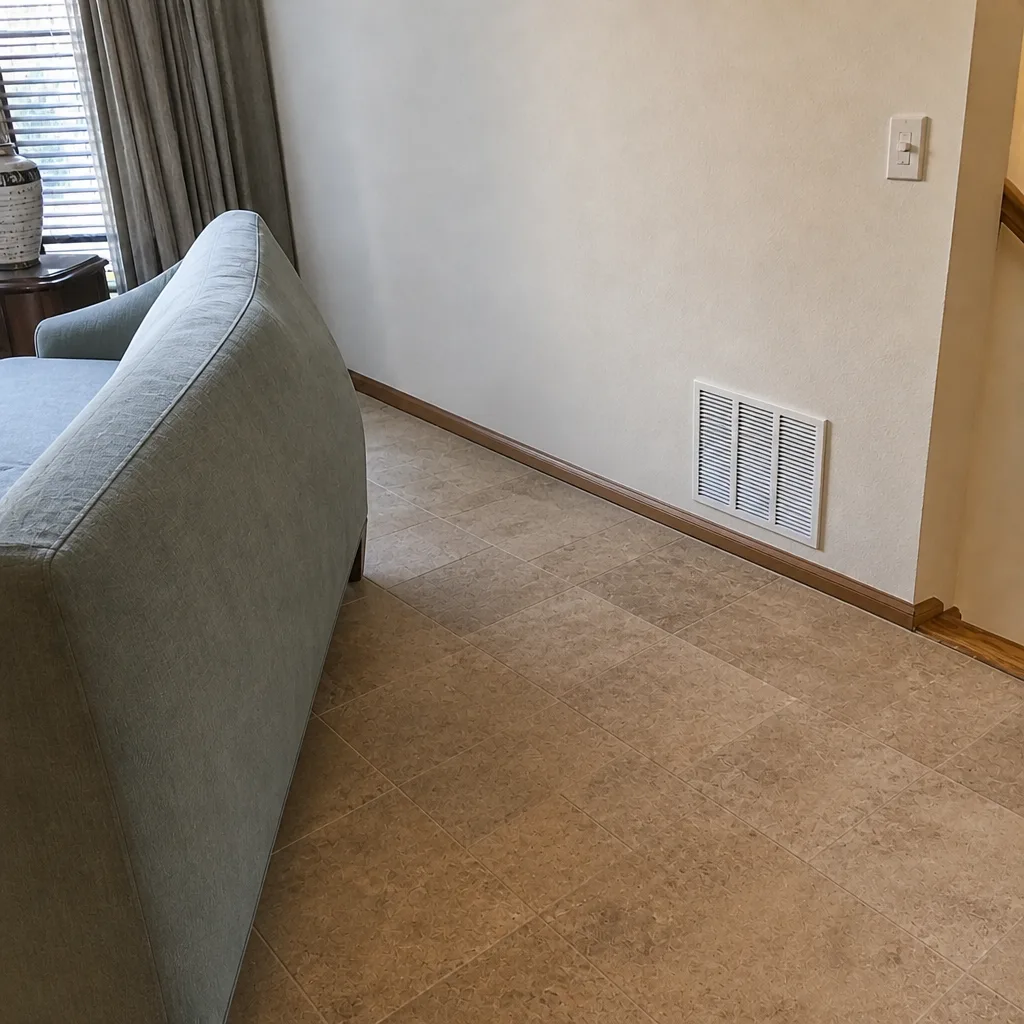
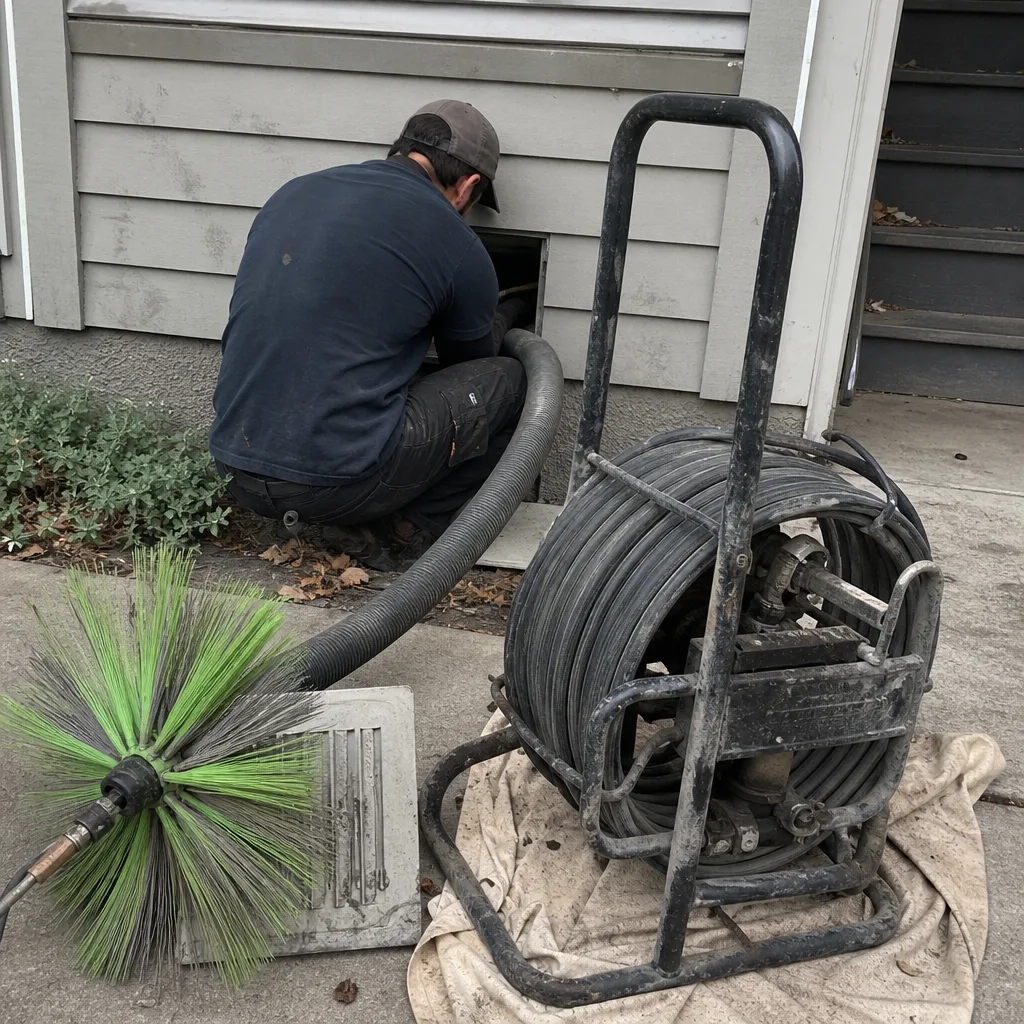
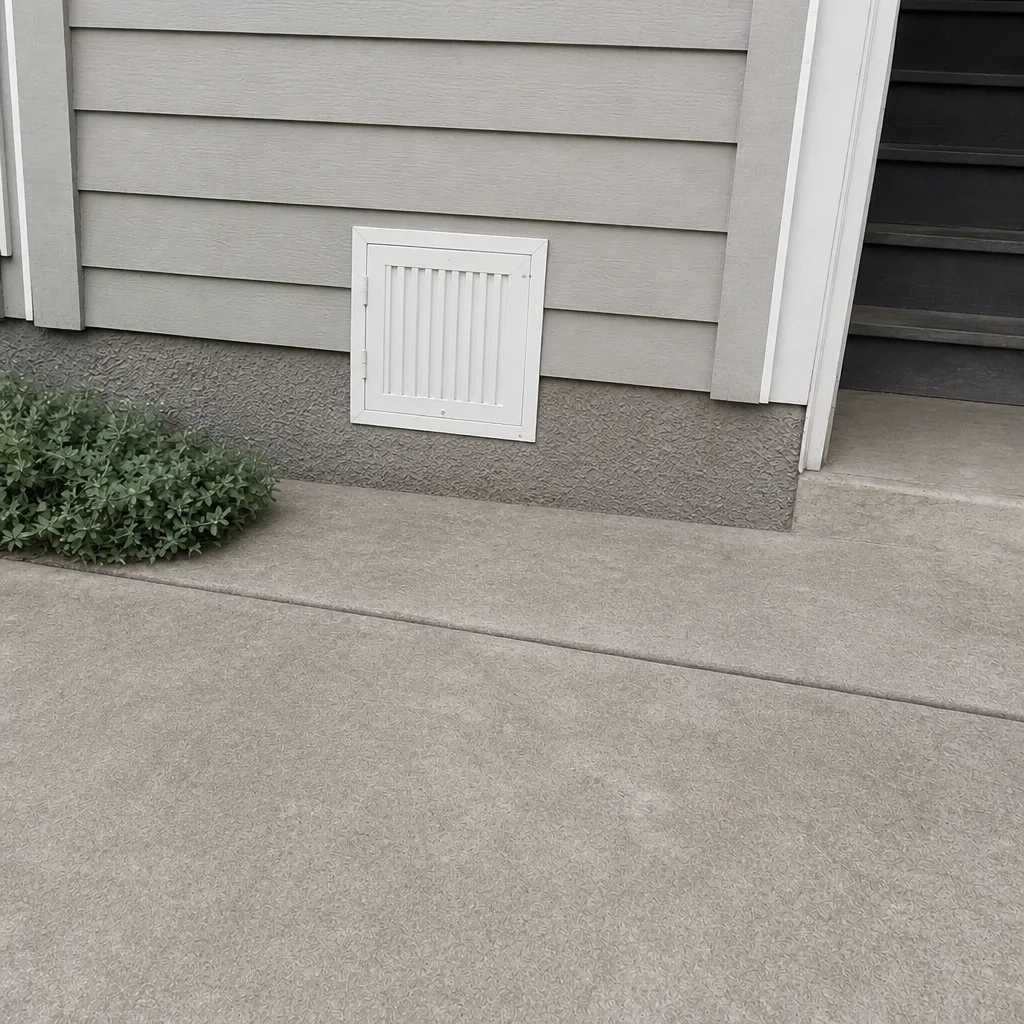
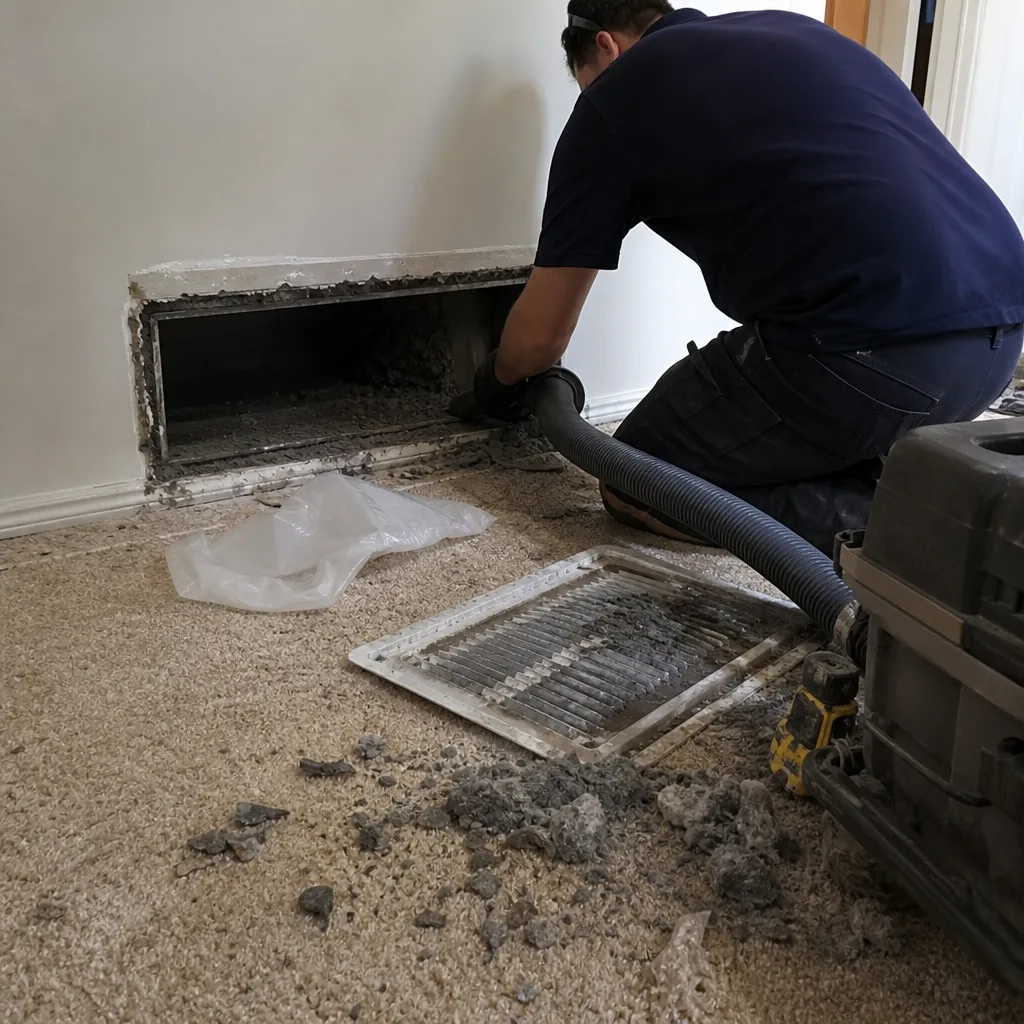
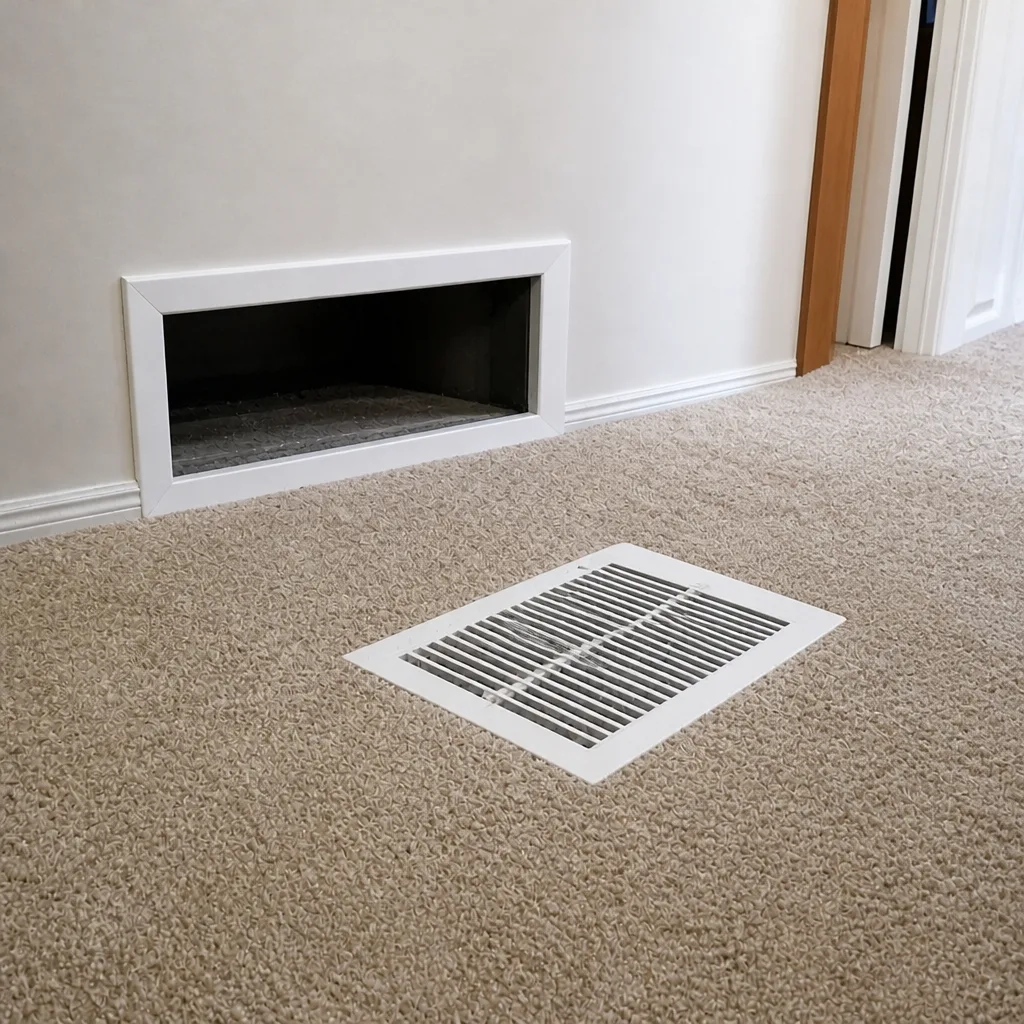
Whole-system duct and dryer vent check with before-and-after photos - you see exactly what came out of your vents
That "$99 whole-house special" is a bait ad - the real number appears once they are in your hallway, or the "clean" is a shop-vac at the register. We photograph the inside of your ducts before and after instead.
How to Hire an Air Duct Cleaning Contractor in University Park: A Step-by-Step Guide
Colorado has no state license specifically for duct cleaning, which means the contractor showing up at your door could be a certified NADCA technician or someone who bought a Shop-Vac last week, and their quotes will look nearly identical. That’s the uncomfortable truth behind this whole hiring decision. The certificate on the wall, the branded truck, the polished website, none of it is regulated. So how do you tell them apart? You ask technical questions that a cheap operator can’t answer. This guide gives you those questions, plus what a legitimate written scope of work should contain, how to verify the certifications that actually matter, and what post-job documentation you should expect. By the end, you’ll know how to vet an air duct cleaning contractor in University Park without relying on vague advice like “check reviews.”
Styles & brands we work with
- Whole-home duct cleaning
- Dryer vent cleaning
- Camera inspection
- Sanitizing & deodorizing
Quick Answer
To hire an air duct cleaning contractor in University Park, verify three things before you book: proof of NADCA ASCS certification or equivalent training, a written scope of work that lists specific equipment (source removal with negative pressure, not just “blowing out” the ducts), and before-and-after video documentation of key duct sections. Ask about negative pressure capacity in CFM, the brush system type, and HEPA filtration rating. Compare written scopes, not just bottom-line prices. A legitimate contractor will welcome the questions; a discount operator will dodge them.
Table of Contents
- Why Colorado Has No Duct Cleaning License (And What That Means for You)
- The Three Certifications That Actually Matter
- Equipment Questions to Ask Before Booking
- Red Flags in the Quote Process
- How to Compare Written Scopes of Work, Not Just Prices
- What Post-Job Verification Looks Like
- University Park Climate and Housing: Why Local Context Matters
- Common Mistakes to Avoid
- When to Call a Professional
- Frequently Asked Questions
Why Colorado Has No Duct Cleaning License (And What That Means for You)
Colorado does not issue a state license for air duct cleaning. There’s no state exam, no required hours, no bond specific to the trade. Anyone with a vacuum, a ladder, and a business card can advertise duct cleaning in University Park tomorrow. That’s different from electrical work or plumbing, where licensing is required and enforceable. Duct cleaning sits in a gap where the barrier to entry is essentially zero.
What fills that gap? Voluntary certification and equipment investment. A contractor who has pursued NADCA certification, purchased professional-grade equipment like Rotobrush or Nikro systems, and carries Abatement Technologies filtration gear has made a deliberate investment that a fly-by-night operator hasn’t. That investment is your only reliable signal.
Here’s what this means practically for University Park homeowners:
- You can’t rely on the state to vet your contractor. No license lookup exists for duct cleaning. You have to ask the questions yourself.
- Reviews help, but they’re gameable. A company can generate dozens of five-star reviews without ever doing a thorough job. Reviews tell you someone showed up on time; they don’t tell you whether the work was technically sound.
- Price alone is meaningless without scope. Two quotes for $299 can represent wildly different levels of work, from a surface vacuum to full source removal with agitation and HEPA filtration.
- Equipment is the tell. Professional remediation-grade tools cost tens of thousands of dollars. An operator using a shop vacuum and a shop-grade hose hasn’t made that investment.
Our approach at University Park Air Duct Cleaning Pros is built around this reality: we lead with equipment and process because those are the only verifiable things in a market with no licensing floor. When you call us, we’ll tell you exactly what equipment we’re bringing and what the job will involve, and we encourage you to ask the same questions of any contractor you’re considering. The vetted local professionals we connect you with are licensed and insured as their state requires, and the estimate is free with the price set per job in writing before any work starts.
The Three Certifications That Actually Matter
Certifications are the closest thing to a license this trade has. But not all certifications carry equal weight, and some are little more than a paid online quiz. Here are the three that are worth verifying, and how to check each one.
1. NADCA ASCS Certification
NADCA stands for the National Air Duct Cleaners Association. Their ASCS designation (Air Systems Cleaning Specialist) is the most widely recognized credential in residential and commercial duct cleaning. It requires passing an exam and staying current with industry standards. To verify: ask for the certification number and check it against NADCA’s public directory. A contractor who claims NADCA membership but can’t produce a verifiable ASCS number may be a member of the association without the individual certification, which is a different thing.
2. EPA Lead-Safe Certification
Homes built before 1978 may contain lead paint. Disturbing painted surfaces during duct work, particularly around registers and returns, can release lead dust. EPA’s Lead-Safe certification (also called RRP, Renovation, Repair, and Painting) is required for contractors working in pre-1978 housing where painted surfaces will be disturbed. University Park has a mix of older homes and newer construction, so if your house was built before 1978, ask for the EPA firm certification number and verify it through the EPA’s database.
3. Manufacturer-Specific Equipment Training
This is the overlooked one. Rotobrush, Nikro, and Abatement Technologies all offer training on their equipment. A contractor who has been trained on the specific system they’re using will run it correctly: proper brush pressure, correct air volume, correct containment setup. Ask which equipment brand they use and whether they’ve completed the manufacturer’s training program. It’s not a certification in the same sense as NADCA, but it’s a reliable signal that the operator knows their tools.
Our technicians have up to 11 years of experience, and that experience is built around professional-grade equipment from Rotobrush and Nikro, with Abatement Technologies filtration tools on hand for jobs that involve contaminants. That’s the kind of equipment-specific investment worth asking about with any contractor you’re comparing.
Equipment Questions to Ask Before Booking
This is where you separate real operators from pretenders. A contractor using professional equipment will answer these questions without hesitation. One who isn’t will pivot to price or change the subject.
Negative Pressure Capacity (CFM)
Proper duct cleaning relies on negative pressure: the vacuum pulls contaminants out of the system and into a HEPA-filtered collection unit rather than blowing them into your living space. Ask what CFM (cubic feet per minute) rating their vacuum unit carries. A small shop vacuum moves somewhere in the low hundreds of CFM at best. Professional truck-mounted or high-capacity portable units move significantly more. There’s no single number that defines “good,” but an operator who can’t tell you the CFM rating of their equipment hasn’t thought about it, which is a problem.
Brush System Type
Contact cleaning requires agitation. Rotobrush systems use a combination of air whips and rotary brushes that physically contact duct surfaces, which is what actually removes adhered debris. Ask whether the contractor uses rotary brush agitation or relies on air alone. Air-only “cleaning” is the equivalent of dusting a shelf by blowing on it: it moves dust around without removing it. Our contact-cleaning approach with Rotobrush is designed for exactly this reason.
HEPA Filtration Rating
HEPA filtration captures particles at 0.3 microns with 99.97% efficiency. Ask whether the collection unit uses true HEPA filtration or a lower-rated filter bag. A unit without HEPA filtration can redistribute fine particulate matter back into the home, which defeats the purpose of cleaning for allergy or asthma concerns. Abatement Technologies equipment is built for this kind of containment, which is why we keep it on hand for jobs that involve mold-adjacent situations or post-renovation debris.
Additional Questions Worth Asking
- What’s the total length of hose or duct access you’ll need, and how do you handle tight corners and flex duct?
- Do you clean the air handler and blower compartment as part of the service, or is that separate?
- How do you handle sanitizing after cleaning, and what product do you use?
- Do you offer duct sealing and repair if you find gaps or disconnected sections?
Arrange for air duct cleaning with a contractor who can answer all of the above. If they can’t, keep looking.
Red Flags in the Quote Process
The quote process is where most of the industry’s problems surface. Here’s what to watch for.
Per-Vent Pricing Traps
A per-vent price sounds transparent: “$30 per vent, and you have 12 vents, so $360.” But it creates a perverse incentive. The contractor makes more money by counting more vents, whether or not each vent gets thorough attention. It also hides the real variable: duct length, duct condition, and the amount of debris present. A home with 12 vents and a short run is a very different job from a home with 12 vents and complex, long duct runs. Per-vent pricing flattens that distinction and often leads to a lowball quote that expands on site. We quote per system, not per vent, and the written estimate sets the final price.
Upsell Scripts Disguised as Inspections
Some contractors arrive, do a “free inspection,” then present a long list of problems that weren’t mentioned on the phone: mold, disconnected ducts, a blower motor that needs cleaning, a sanitizing treatment that’s presented as mandatory. Some of these may be legitimate; some are pressure tactics. The tell is whether you’re given time to think, whether the findings are documented with photos or video, and whether you can decline a line item without the contractor walking off the job.
Vague Scope Language
“Full duct cleaning” and “complete system cleaning” mean nothing on their own. A legitimate quote should list specific line items: which components are being cleaned (supply ducts, return ducts, air handler, registers, grilles), what equipment is being used, whether agitation is included, whether sanitizing is included, and what documentation you’ll receive afterward. If the quote is a single line item with a total price, ask them to break it down.
Pressure to Book Immediately
A contractor who needs an answer in the next ten minutes is telling you something about their business model. There’s no legitimate emergency in residential duct cleaning that requires a same-hour decision. Take 24 hours, compare scopes, and call back.
How to Compare Written Scopes of Work, Not Just Prices
When you have two or three quotes in hand, resist the temptation to compare the bottom line. Compare the line items. Here’s what a legitimate written scope should include, and what to do if it doesn’t.
- Component list. Which parts of the system are being cleaned: main supply trunk, branch runs, return ducts, air handler coil, blower compartment, registers, grilles. If the quote only says “ducts,” ask which ducts.
- Equipment specification. The brand and type of equipment, CFM rating, and whether HEPA filtration is included.
- Access method. How the contractor will access the ductwork (cutting access holes, removing registers, using existing access points) and how those access points will be sealed afterward.
- Cleaning method. Contact cleaning with rotary brush agitation versus air-only. Source removal versus a surface pass.
- Sanitizing. Whether sanitizing is included or optional, what product is used, and whether it’s EPA-registered.
- Repair and sealing. Whether duct repair and sealing are included or quoted separately. Many duct systems have gaps at joints, disconnected sections, or deteriorated flex duct that a thorough contractor will flag. We cover cleaning, repair and sealing, and sanitizing in one visit so you’re not coordinating multiple contractors. If you need HVAC cleaning as well, that’s part of the same conversation.
- Documentation. What you’ll receive after the job: before-and-after photos, video of key duct sections, a written summary. This is your proof of work.
- Price and terms. One flat price per system, agreed before work starts. No per-vent pricing. The written estimate sets the final price.
If a quote is missing three or more of these items, it’s not a scope. It’s a handshake with a number attached.
What Post-Job Verification Looks Like
The job is done. The contractor has packed up and driven away. How do you know the work was actually completed to the standard you paid for?
Ask for before-and-after documentation of key duct sections. A professional contractor will have captured video or photos of the interior of the ducts before cleaning and after, particularly at the main trunk, the branch runs, and the air handler. If they can’t produce it, that’s a gap in their process, not just in their paperwork.
Here’s what to check yourself once they’ve gone:
- Visual inspection of registers. Remove a few register covers and look inside the branch duct with a flashlight. The interior surface should look clean, without visible debris buildup or dust coating.
- Airflow check. Turn the system on and confirm airflow at each register feels consistent with before. If airflow has dropped, a damper may have been knocked closed during the job; if it’s improved, that’s a good sign the blower and duct interiors were cleared.
- Access point sealing. Any access holes cut during the job should be sealed properly. Check the visible ones.
- Baseline documentation. File the before-and-after video with your home maintenance records. It’s useful if you sell your home or if you later have an indoor air quality concern.
We treat before-and-after documentation as a standard part of the job, not an add-on. If you want that standard applied to your home, get in touch with our dryer vent cleaning team as well; dryer vent work follows the same documentation standard because lint buildup is a documented fire risk that’s invisible without a camera.
University Park Climate and Housing: Why Local Context Matters
University Park sits in a high-altitude, semi-arid climate with cold winters and dry summers. That combination has real implications for duct cleaning decisions.
Winter heating runs long in University Park, which means the duct system is circulating warm, dry air for months on end. Dry air carries fine dust more easily, and heating cycles push that dust through the system repeatedly. Homes with forced-air gas furnaces see more airborne particulate accumulation through the heating season than homes in milder climates. When a duct system isn’t cleaned, that accumulated debris gets re-circulated every time the furnace kicks on.
The housing stock in University Park is mixed: older homes, newer builds, and buildings that have undergone renovation. Renovation dust is a particular problem. Drywall dust, sawdust, and construction debris can settle in return ducts and the air handler during a remodel, and even a thorough post-renovation surface cleaning doesn’t reach inside the ductwork. If your home has had recent renovation work, Abatement Technologies filtration is worth asking about, because fine construction dust requires proper containment rather than a standard vacuum pass.
University Park’s dry climate also means dust accumulates faster on return grilles and registers than in humid climates. That’s a visual cue worth paying attention to. If your return grilles are coated in a visible layer of dust within a few weeks of cleaning them, the problem is likely deeper in the system.
For homeowners with allergies or asthma, the combination of long heating seasons and dry, dusty air makes a thorough duct cleaning more than a seasonal maintenance item. It’s a meaningful intervention. If you’re considering whole-home air quality improvements alongside cleaning, Honeywell and Aprilaire IAQ systems offer filtration and air purification options that work with your existing HVAC, and we can advise on integration. We also offer Guardsman protective treatments as part of the sanitizing process for lasting results beyond the cleaning visit.
Common Mistakes to Avoid
- Choosing the lowest quote without reading the scope. The lowest quote is often the lightest scope. Compare line items across quotes, not just totals. In University Park, where there’s no licensing requirement, price is the least reliable signal you have.
- Booking a coupon offer without asking what it includes. A deeply discounted cleaning almost always covers less than a full-system job. Ask what components are included and whether sanitizing and repair are extra. If the answer is vague, the coupon is a lead-in price.
- Skipping the equipment questions. Not asking about CFM, brush type, and HEPA filtration leaves you unable to distinguish professional-grade work from a surface pass. Those three questions take two minutes and tell you almost everything.
- Accepting a verbal agreement on scope. Get the scope in writing, including which components are covered and what documentation you’ll receive. A verbal agreement about “full cleaning” has no defined meaning when the job is done.
- Confusing a surface vacuum with source removal. A technician who shows up with a shop vacuum and a length of hose is doing surface cleaning at best. Source removal requires negative pressure and agitation. They look similar in progress and completely different in result.
- Failing to ask about duct repair. Cleaning a duct system with disconnected sections or deteriorated flex duct is wasted effort. The cleaned air leaks out before it reaches your living space, and debris re-enters through the gaps. Ask whether repair and sealing are part of the scope or a separate service.
- Overlooking the dryer vent. It’s a separate system with its own fire risk. Many HVAC companies don’t offer dedicated dryer vent cleaning, and a clogged dryer vent is a documented residential fire hazard. Ask whether it’s available as a standalone service. At University Park Air Duct Cleaning Pros, it is.
When to Call a Professional
Not every dusty register means you need a full duct cleaning. But these scenarios are worth a call to a professional:
- Visible debris or dust buildup inside duct openings when you remove a register cover
- Persistent dust on surfaces within days of cleaning, especially during heating season
- Recent home renovation, particularly drywall work or major remodeling
- Allergy or asthma symptoms that worsen when the HVAC system runs
- A dryer that takes longer than usual to dry a load, or a dryer vent that hasn’t been cleaned in several years
- Musty or stale odors when the system starts up
- An older home where you don’t know the last time the ducts were serviced
University Park Air Duct Cleaning Pros offers free estimates in University Park. Call (855) 677-5998. We answer 24/7. Fast dispatch from 7am to 7pm, Sunday through Friday. We’ll walk you through the equipment we use, give you a written scope before any work starts, and document the job with before-and-after video so you can verify the result yourself.
Frequently Asked Questions
Air duct cleaning in University Park is priced per system, and the written estimate sets the final price. Whole-system cleaning typically involves a flat per-system price rather than per-vent pricing, and the total depends on system size, duct condition, and whether repair, sealing, and sanitizing are included. Call (855) 677-5998 for an exact quote. Estimates are free.
Cheap quotes are cheaper because the scope is smaller. A low quote often covers a surface vacuum pass with a shop-grade unit rather than source removal with negative pressure and HEPA filtration. It may exclude the air handler, return ducts, sanitizing, or repair. Compare the written scope line by line, and ask how many components the price covers. The price difference is almost always a scope difference. Call for a free estimate.
Ask for before-and-after video documentation of key duct sections, including the main trunk and air handler. A professional contractor will have this as a standard part of the job, not an add-on. You can also remove a few register covers afterward and inspect the duct interior with a flashlight. Call (855) 677-5998 to ask what documentation comes with our job.
For most University Park homes, every three to five years is a reasonable interval, but it depends on the home. Homes with pets, recent renovation, or a household member with allergies or asthma may benefit from more frequent cleaning. Homes with older duct systems or visible debris buildup should be inspected sooner. Call us for an honest assessment rather than a scripted schedule.
No. Colorado does not issue a state license for duct cleaning, so there’s no license to verify. That’s why voluntary certifications and equipment investment are your best vetting tools. Ask about NADCA ASCS certification, EPA Lead-Safe certification if your home was built before 1978, and manufacturer training on professional equipment. Call us and we’ll answer those questions directly.
Yes, renovation creates debris, particularly drywall dust, that settles inside return ducts and the air handler. A standard surface cleaning doesn’t reach it. Post-renovation cleaning requires proper containment and filtration, and Abatement Technologies equipment is designed for exactly that scenario. If you’ve remodeled recently in University Park, call (855) 677-5998 to discuss what the job involves.
The Bottom Line
Hiring an air duct cleaning contractor in University Park comes down to verifying what you can’t take for granted. Colorado doesn’t license this trade, so ask for NADCA certification, ask about equipment specifics (CFM, brush type, HEPA filtration), and compare written scopes rather than bottom-line prices. Watch for per-vent pricing, vague scope language, and upsells disguised as inspections. Require before-and-after documentation. And remember that University Park’s long heating season and dry climate make the work meaningful, not cosmetic. One flat price per system, agreed before work starts, is the fair standard. The vetted local professionals we connect you with are licensed and insured as their state requires, and we can work with your insurer if needed.
Call (855) 677-5998 for a free estimate. We answer 24/7. Fast dispatch from 7am to 7pm, Sunday through Friday.
Written by the team at University Park Air Duct Cleaning Pros.
See the difference
 Before
 After
 Before
 After
 Before
 After