
Last updated November 24, 2026
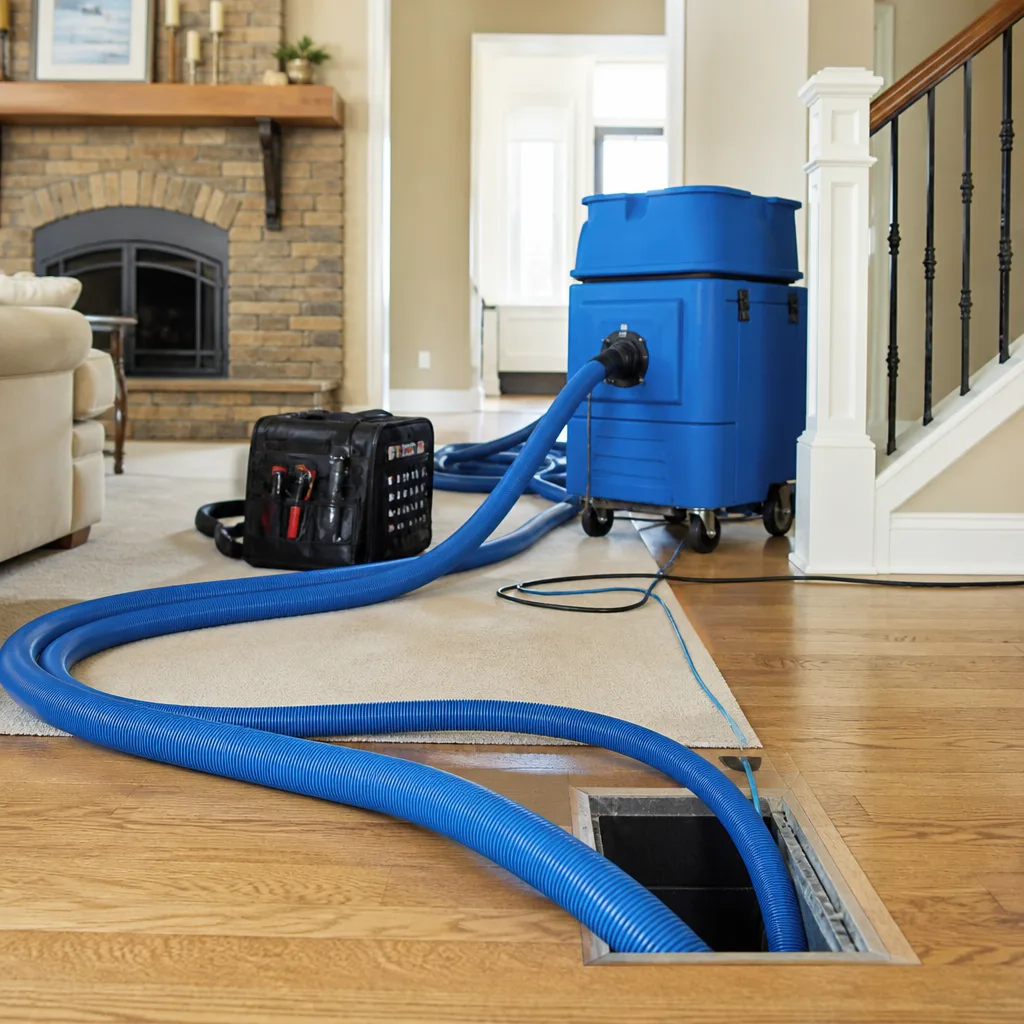 Whole-home duct cleaning
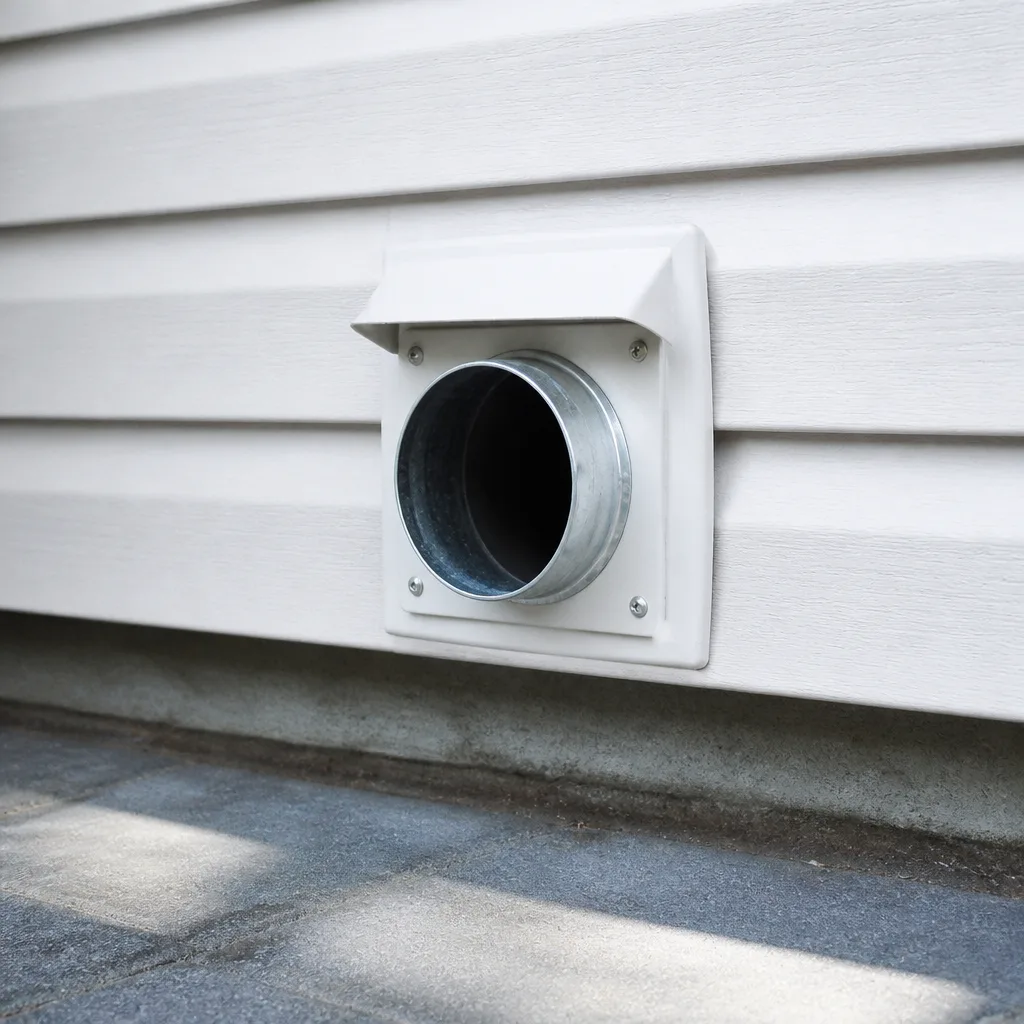 Dryer vent cleaning
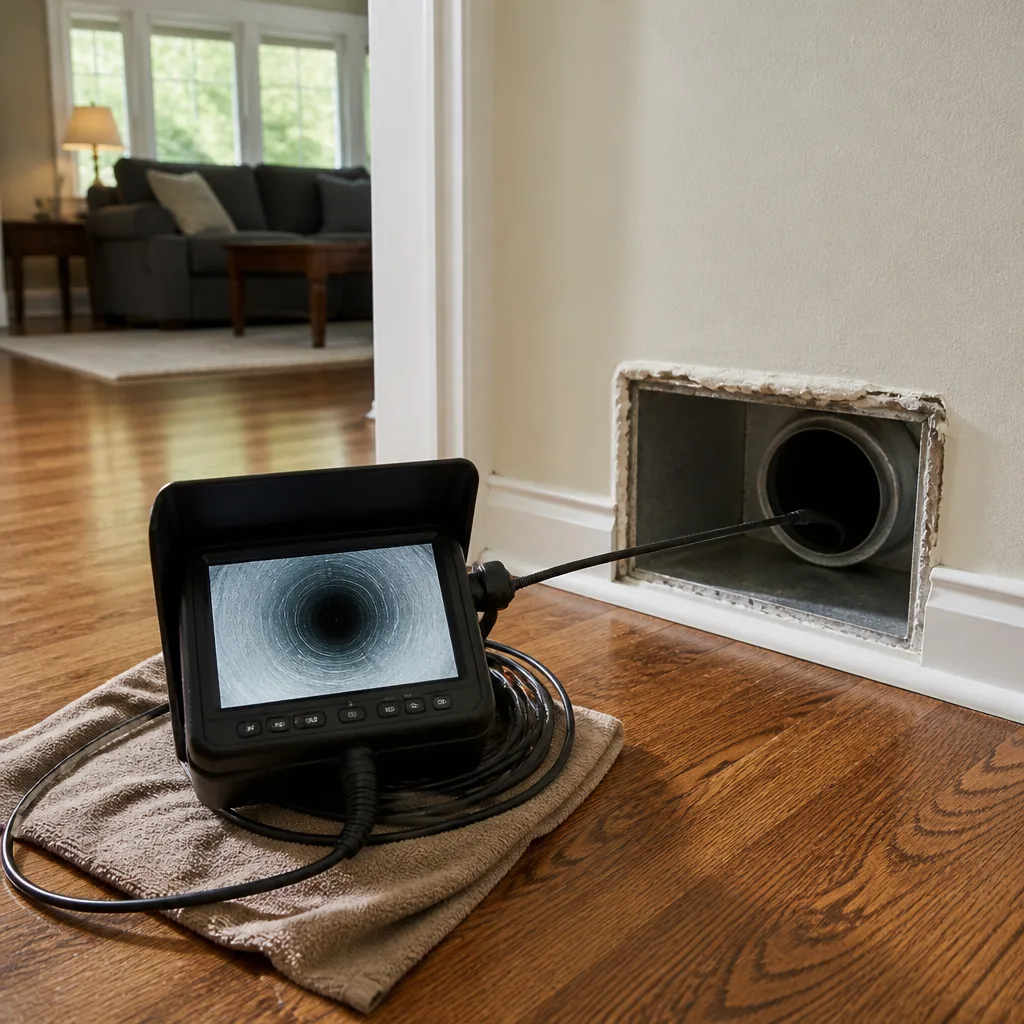 Camera inspection
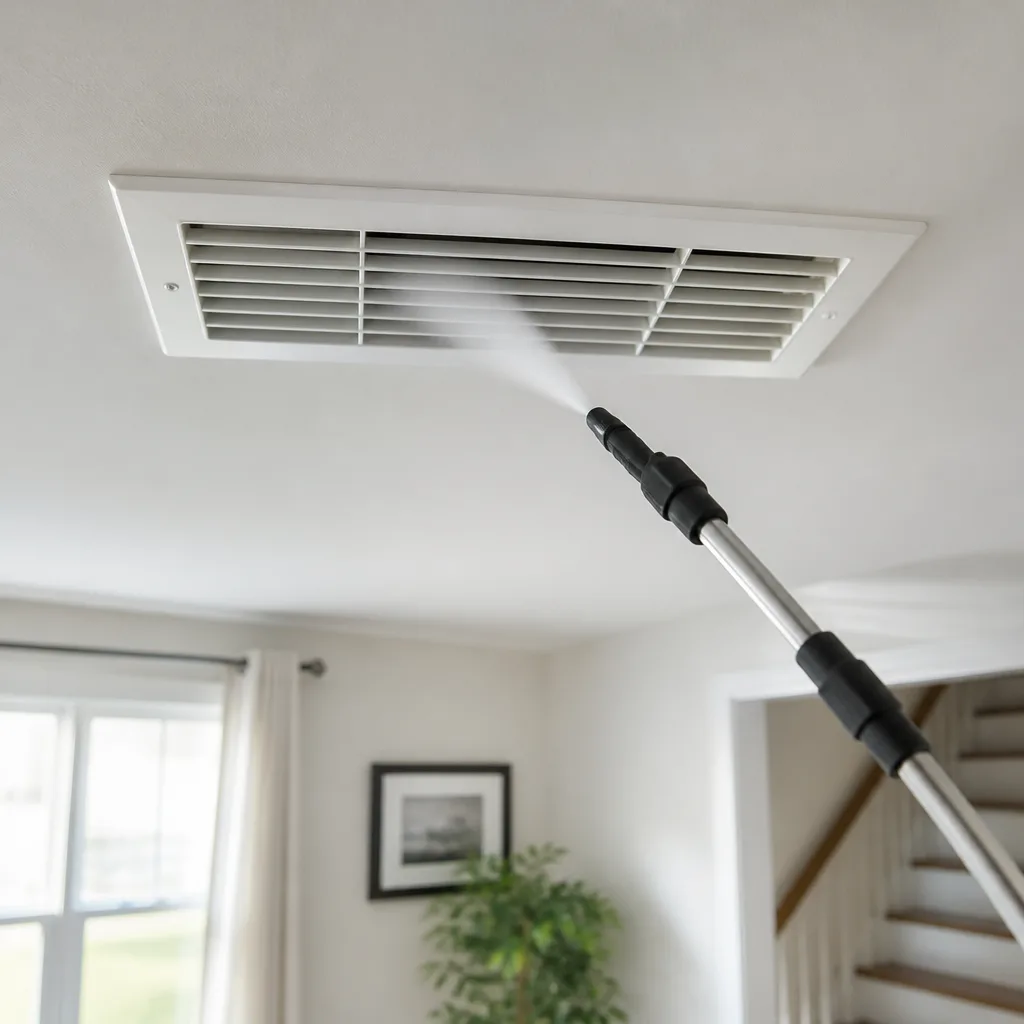 Sanitizing & deodorizing
Whole-system duct and dryer vent check with before-and-after photos - you see exactly what came out of your vents
That "$99 whole-house special" is a bait ad - the real number appears once they are in your hallway, or the "clean" is a shop-vac at the register. We photograph the inside of your ducts before and after instead.
The Complete Guide to Air Duct Cleaning in University Park
Most duct cleaning advice you’ll read online was written for a house at sea level. University Park sits above 5,280 feet, where the air is thinner and noticeably drier, and that changes almost everything about how dust behaves inside a duct system. Fine particulate that would clump and settle in a humid climate stays airborne longer here and travels deeper into the run before it drops out. Add a housing stock where plenty of homes have had decades of remodels, and you get duct systems that need more than a quick vacuum. This guide explains what a complete cleaning job actually involves in University Park, how to tell the difference between real source removal and a blow-and-go visit, and how to verify the work was done.
Quick Answer
A complete air duct cleaning job in University Park means removing the contamination at its source, not just knocking dust loose into the air. That requires negative pressure to hold debris inside the system, rotary contact tools to scrub the duct walls, and a before-and-after inspection you can actually read. Because of the altitude and dry climate here, particulate accumulates faster and reaches further into the supply runs than it would in a coastal home, so the tooling and the inspection matter more, not less.
Styles & brands we work with
- Whole-home duct cleaning
- Dryer vent cleaning
- Camera inspection
- Sanitizing & deodorizing
Table of Contents
- Why University Park’s Altitude and Dry Air Change the Cleaning Job
- Source Removal vs. Blow-and-Go: What the Difference Actually Is
- Why Supply and Return Ducts Need Different Tools
- What Remediation-Grade Equipment Does That Box-Store Vacuums Can’t
- How to Read a Before-and-After Inspection Report
- Cleaning, Sealing, and Sanitizing: The Full Duct Lifecycle
- The Dryer Vent Nobody Checks
- What a Complete Cleaning Visit Looks Like, Step by Step
Why University Park’s Altitude and Dry Air Change the Cleaning Job
Altitude and humidity are the two variables most duct-cleaning content ignores, and in University Park both are working against your indoor air. At this elevation the ambient air holds far less moisture than it does at lower altitudes. Dry air keeps fine dust suspended instead of letting it settle, so particles stay airborne longer and get pulled deeper into the system before they finally come to rest on a duct wall or at a fitting. Once that dust lands in a dry environment, it also tends to stay loose rather than cake into the sticky mat you’d see in a humid climate. That sounds better than it is. Loose dust in a system with any airflow re-entrains easily, lifting back into the supply air the moment the blower runs.
Then there’s the housing. Much of University Park is older residential stock, and older homes here have usually been through at least one round of renovation: new flooring, a kitchen rework, a finished basement, a changed furnace. Every one of those events pushes drywall dust, sawdust, and insulation fibers into the return side, and a lot of it never leaves. In our experience the combination of dry air, older sheet metal, and renovation history is what makes University Park duct cleaning a different job from the generic checklist you’ll find online. The contamination is finer, it’s spread further through the run, and it’s more easily disturbed.
What that means practically:
- Fine particulate reaches further into long supply runs before settling, so brushing only the first few feet of a trunk line misses most of it.
- Loose dust re-entrains easily, which is why negative pressure during cleaning is not optional here.
- Post-renovation debris is common enough in University Park that it’s worth asking specifically how a contractor handles it.
- Low ambient humidity means the dust you’re removing is dry and airborne-prone, not damp and matted.
None of this is a reason to panic about your home. It is a reason to insist on a job built for a dry, high-altitude house rather than a template written somewhere else. If you want the service overview first, our air duct cleaning page covers the basics; this guide is the deep version.
Source Removal vs. Blow-and-Go: What the Difference Actually Is
Source removal is the industry standard for duct cleaning: it means physically dislodging and capturing the contamination that has accumulated on the surfaces inside the system, then removing it from the home. Blow-and-go is the opposite. A technician runs air or a light vacuum through the ducts, knocks dust loose, and leaves it to circulate back into your living space. The two look similar from the driveway. They are not similar in outcome.
The distinguishing feature of real source removal is that the debris has somewhere to go. A negative-pressure setup, meaning high-volume suction that holds the entire duct system under slight vacuum during the work, keeps loosened material inside the ducts and pulls it toward the collection point instead of letting it puff out of every register. Then contact cleaning, meaning tools that physically touch the duct walls, scrubs the contamination off the surface. Suction alone won’t do it. A duct wall holds dust the way a shelf does; you have to reach it and break the contact.
Here’s the practical test. Ask any contractor three questions before you book:
- Will the system be under continuous negative pressure while you clean?
- What tool actually contacts the inside of the duct, and will you show me it?
- Will I get before-and-after photos of my own ducts, not stock images?
A source-removal contractor answers all three without hesitating. A blow-and-go operation usually answers the first with a vague “we use a very strong vacuum” and the second with something about air whips. Not every tool is a scam, but the combination of no negative pressure and no contact cleaning is.
At University Park Air Duct Cleaning Pros we work with Rotobrush contact-cleaning systems and Nikro professional HVAC equipment, which is the same class of tooling remediation contractors use on commercial jobs. That’s the standard a residential job in University Park should be held to, because the altitude and dry air here make loose dust a real problem to manage rather than a cosmetic one.
Why Supply and Return Ducts Need Different Tools
The supply and return sides of a duct system are not mirror images, and treating them the same is one of the quieter ways a cleaning job underdelivers. The return side is where most of the contamination collects, because it’s the path air takes on its way to the blower. It’s usually larger in cross-section, often has more accessible runs, and carries the bulk of what comes off floors, pets, and renovation debris. The supply side is the distribution network: smaller ducts, more branches, more turns, and often runs that disappear into wall cavities and ceilings where access is tight.
Different geometry means different tools and a different inspection protocol.
- Return side: larger duct volumes favor high-volume negative pressure and rotary brush tools sized to the duct. The return is also where the filter housing and blower compartment sit, so it’s where a lot of dust gathers that never makes it into the ducts at all.
- Supply side: branch runs need smaller-diameter rotary tools and careful pressure control, because a supply branch that sees too much agitation can push fine dust into a room rather than out of the system.
- Both sides: every register should be pulled and cleaned, not just blown through, and every accessible fitting should be inspected for gaps, disconnected joints, or deteriorating liner.
The inspection protocol follows the same split. On the return side, a technician should be checking the filter rack, the blower compartment, and the trunk for accumulated debris and any sign of moisture. On the supply side, the check is for loose joints, crushed flex runs, and dust accumulation at the boot and register. A contractor who inspects only one side and calls the job complete has cleaned roughly half the system.
If your system has flex duct in particular, this matters more. Flex has ridges that trap dust, and it’s easy to damage with the wrong tool. That’s a situation where equipment quality shows immediately.
What Remediation-Grade Equipment Does That Box-Store Vacuums Can’t
The gap between a shop vacuum and remediation-grade equipment is larger than most homeowners expect, and in University Park’s dry climate it’s the difference between removing contamination and redistributing it. A box-store vacuum moves air, but it doesn’t hold a duct system under negative pressure, and its filtration isn’t built for the volume of fine particulate a house at this altitude generates. Fine dust pulled through a filter that can’t capture it goes straight back into the room.
Professional equipment addresses that in a few specific ways:
- High-volume negative pressure. Truck-mounted or high-capacity portable units hold the entire system under vacuum during cleaning, so loosened debris stays in the ducts and travels to the collection point instead of escaping at registers.
- HEPA filtration. HEPA-filtered negative air machines capture fine particulate at a level a standard vacuum cannot. This is not a marketing term; it’s a filtration rating, and it’s the reason remediation crews rely on it.
- Rotary contact tools. Rotobrush systems use rotating brushes sized to the duct to scrub the interior surface. Contact is what breaks dust loose from the wall instead of just stirring the air around it.
- Powerful, controllable agitation. Nikro professional HVAC equipment gives a technician control over pressure and agitation, which matters on the supply side where too much force pushes dust the wrong direction.
For jobs with more than routine dust, that’s where Abatement Technologies equipment comes in. Post-renovation debris, mold-adjacent situations, and heavy contamination need air filtration built for remediation, not just cleaning. We keep that class of equipment on hand because University Park’s housing stock produces exactly those scenarios. A finished basement remodel, a kitchen tear-out, an old furnace replacement: all of them leave fine drywall and insulation dust in the return system, and that dust is dry enough here to stay airborne for a long time.
The point isn’t the brand names. It’s that the equipment determines whether the job is source removal or theater. Our team has up to 11 years of technician experience with this class of tooling, and it’s the reason we can clean, seal, and sanitize in one visit instead of sending you to three contractors.
How to Read a Before-and-After Inspection Report
An inspection report is the only real evidence you’ll have that the work actually happened. Any contractor can tell you the ducts are clean. A report shows you. Ask for one before you book, and look for these elements:
- Before photos of your actual ducts. Not stock images, not a generic illustration. Your registers, your trunk line, your return plenum.
- After photos of the same locations. Same angle, same duct, so you can compare. This is the single most important thing in the report.
- A written description of what was cleaned. Which components, how many supply runs and returns, whether the blower compartment and filter housing were included.
- Any conditions found. Disconnected joints, gaps at fittings, crushed flex, signs of moisture. These are the things that need repair or sealing, and a good report names them.
- What was not accessible. Honest reports say what the technician couldn’t reach. No system is fully accessible, and a report that claims otherwise isn’t a real report.
Read the after photos critically. You’re looking for a clean, dry duct interior with no visible dust film and no debris at the joints. You’re also looking for the register boots, which are easy to overlook and where a lot of dust settles. If the report is thin on photos, ask for more.
The inspection should happen on both sides of the system. A before-and-after of the return trunk alone doesn’t tell you anything about the supply branches, and vice versa. When we do an inspection in University Park, that two-sided protocol is standard, because the dry air here means dust distribution is broader than it would be in a damper climate. You can see the same principle in how we approach HVAC cleaning, where the blower, coil, and cabinet get the same photo-documented treatment.
Cleaning, Sealing, and Sanitizing: The Full Duct Lifecycle
Cleaning the ducts is half the job. The other half is making sure what you cleaned stays clean and that the system isn’t leaking the air you paid to condition. That’s why we treat the duct system as a lifecycle rather than a single service, and it’s why a job here often combines cleaning with repair, sealing, and sanitizing in one visit instead of spreading it across multiple contractors.
Here’s how the pieces fit together:
- Clean. Source-removal cleaning on both supply and return, with negative pressure and contact tools. This is the foundation; everything else assumes a clean system.
- Repair. Fix disconnected joints, reattach separated flex, replace damaged sections, and address anything that came loose over the years. Older housing stock in University Park tends to have a few of these.
- Seal. Seal the joints and fittings that leak. Leaky ducts waste conditioned air and pull in dust from unconditioned spaces like attics and crawlspaces. In a dry climate, that dust enters the system easily.
- Sanitize. Apply a protective treatment to the cleaned duct surfaces. We work with Guardsman-brand protective treatments as part of the sanitizing process, which helps the results last beyond the visit itself.
The IAQ side deserves its own mention. We work with Honeywell and Aprilaire product lines, which means we can advise on filtration and whole-home air purification as part of the same conversation. If you’re in University Park and dealing with allergies or asthma in the household, cleaning the ducts is the starting point, but filtration is what keeps the improvement from eroding as new dust enters the system. That’s not a sales pitch. It’s the practical reality of living at altitude with dry air: the system will keep collecting particulate, and a good filter is the cheapest way to reduce how much reaches the ducts in the first place. Our University Park Air Duct Cleaning Pros team treats filtration advice as part of the service, not an add-on.
One call covers cleaning, sealing, and sanitizing. That’s the point of the lifecycle approach, and it’s why we don’t hand a job off midstream.
The Dryer Vent Nobody Checks
Your dryer vent is a fire risk, and it’s the one part of the residential ventilation system most HVAC companies never look at. Lint accumulates in the vent run the same way dust accumulates in ducts, and in a dry climate it stays dry and highly combustible. The vent run itself is often longer and more convoluted than homeowners realize, with turns and elbows where lint catches and builds up over time. A clogged dryer vent doesn’t just make the dryer slow; it’s a documented residential fire hazard.
Dryer vent cleaning is a dedicated service for us, not an upsell tacked onto a duct cleaning visit. That means the right tools for the job: a rotary brush system sized for the vent run, a vacuum rated for lint, and a check of the exterior termination to make sure the flap opens and closes properly and nothing is nesting in it. The vent run gets inspected end to end, including the elbows, because that’s where lint gathers.
Signs it’s time:
- The dryer takes longer than it used to for the same load.
- The exterior vent flap doesn’t open fully when the dryer runs.
- Lint is visible around the vent termination or behind the dryer.
- Clothes come out hotter than normal, or the dryer cabinet feels unusually warm.
Because this is a safety service, it’s worth scheduling alongside your duct cleaning rather than waiting. Our dryer vent cleaning page covers the details, and it’s the service we most often recommend to households that haven’t had any ventilation maintenance done in a while.
What a Complete Cleaning Visit Looks Like, Step by Step
Here’s the sequence a complete job follows, so you know what to expect when the technician arrives. Every step serves a purpose, and skipping any of them is how a job ends up incomplete.
- Walkthrough and inspection. The technician surveys the system, identifies all registers and returns, and documents conditions before any cleaning starts. This is where the before photos come from.
- Setup and protection. Floor coverings go down, and the negative pressure equipment is connected to the system. This is the step that keeps dust out of your living space for the rest of the visit.
- Register and vent removal. All supply registers and return grilles are removed and cleaned individually. Leaving them in place means dust stays trapped behind them.
- Source removal on both sides. Contact cleaning on the return side and supply branches, with rotary brush tools and continuous negative pressure. The blower compartment and filter housing get cleaned too.
- Inspection and repair. The technician re-inspects the system, documents conditions found, and repairs disconnected joints or damaged sections. This is where sealing gets scoped.
- Sealing. Leaky joints and fittings get sealed so the system holds pressure and doesn’t pull dust from unconditioned spaces.
- Sanitizing. Protective treatment is applied to the cleaned surfaces, using Guardsman-brand treatments as part of the process where appropriate.
- After photos and report. The job ends with after photos of the same locations documented at the start, plus a written report. You should be able to compare the before and after side by side.
A complete visit takes real time. Anyone promising the whole thing in under an hour on a house with multiple returns and a renovation history is either skipping steps or rushing them. When we quote a job in University Park, the written estimate sets the price for the whole job, agreed before work starts. No per-vent pricing, no coupon that turns into a bigger invoice. One flat price per system.
Common Mistakes to Avoid
- Booking on price alone. Duct cleaning has a bait-and-switch reputation for a reason. A quote that’s dramatically below everyone else usually means no negative pressure, no contact cleaning, or a price that grows once the technician is on site. Ask what’s included and get it in writing.
- Letting a contractor skip the before-and-after photos. If you can’t see your own ducts before and after, you can’t verify the work was done. Photo documentation of your specific system is a baseline expectation, not a premium feature.
- Cleaning the ducts but ignoring the return side and blower compartment. A lot of dust accumulates in the filter housing and blower area and never makes it into the ductwork at all. A job that cleans only the supply runs has left the heaviest accumulation in place.
- Assuming a cleaning solves leaky ducts. Cleaning removes contamination, but it doesn’t close disconnected joints. In older University Park homes, unsealed fittings are common, and they let dust back in. Sealing is part of the fix.
- Forgetting the dryer vent. It’s the same family of problem as duct contamination, with a fire risk attached. Most homeowners have never had it inspected. Book it with the duct cleaning.
- Ignoring filtration after the cleaning. At this altitude, dry air keeps dust suspended and moving. Without a decent filter, the system starts recollecting what you just paid to remove. A Honeywell or Aprilaire filtration solution is worth a conversation.
- Accepting a verbal “all done” with no report. A written report naming what was cleaned, what was found, and what wasn’t accessible is how you know you got a real service rather than a visit.
See the difference
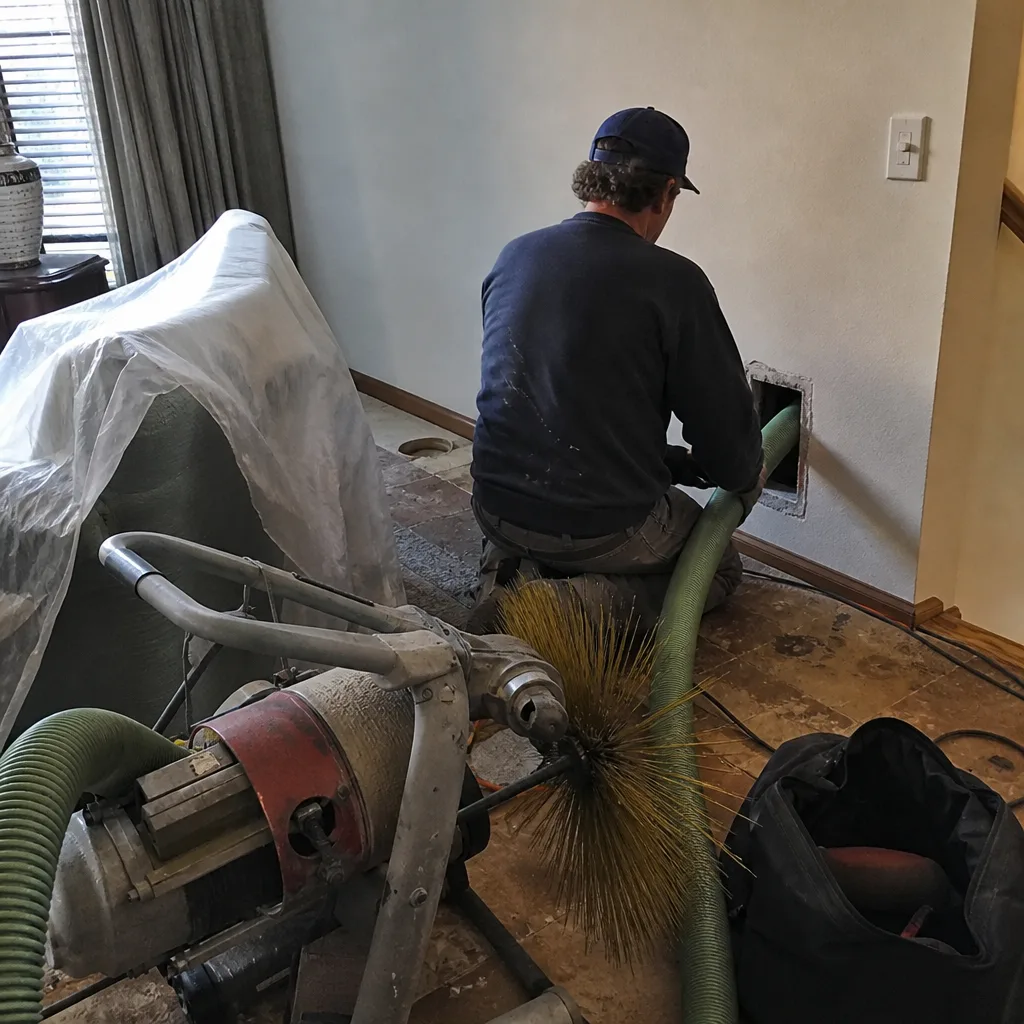 Before
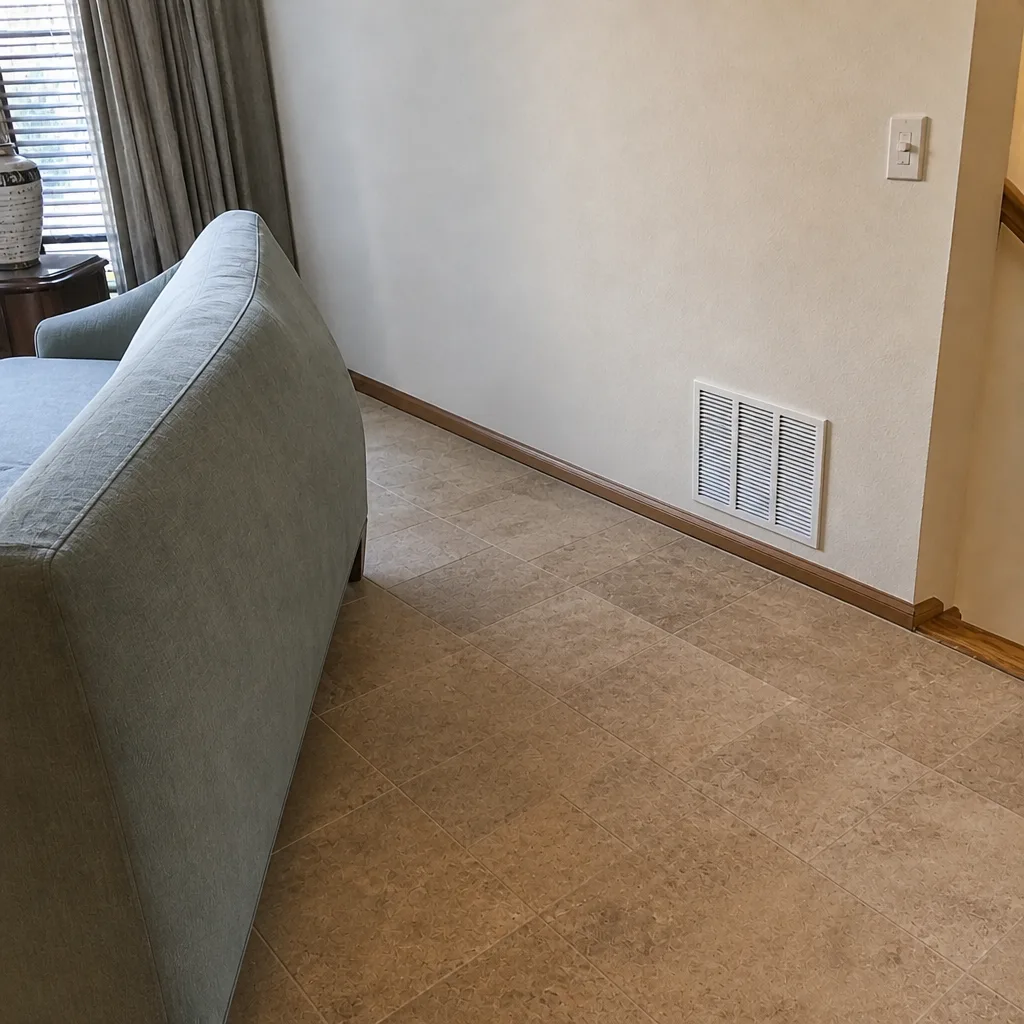 After
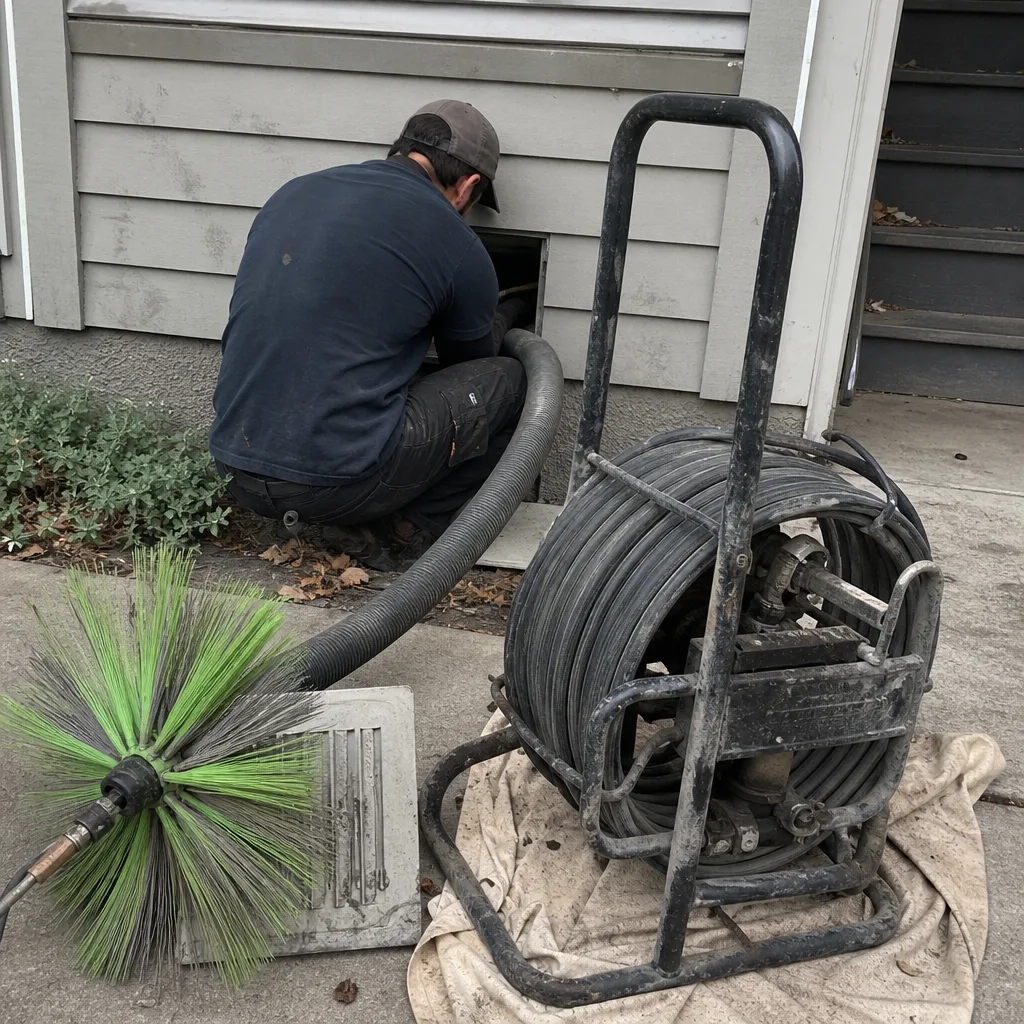 Before
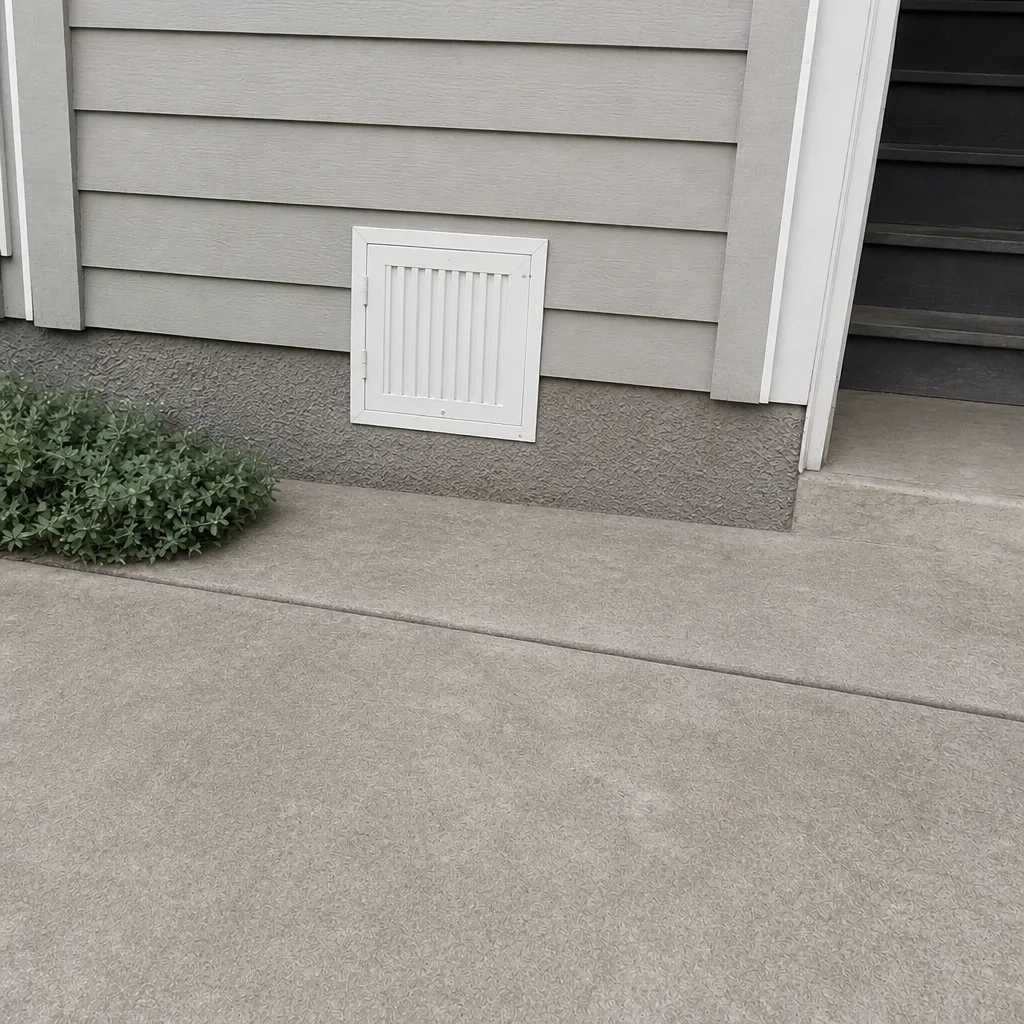 After
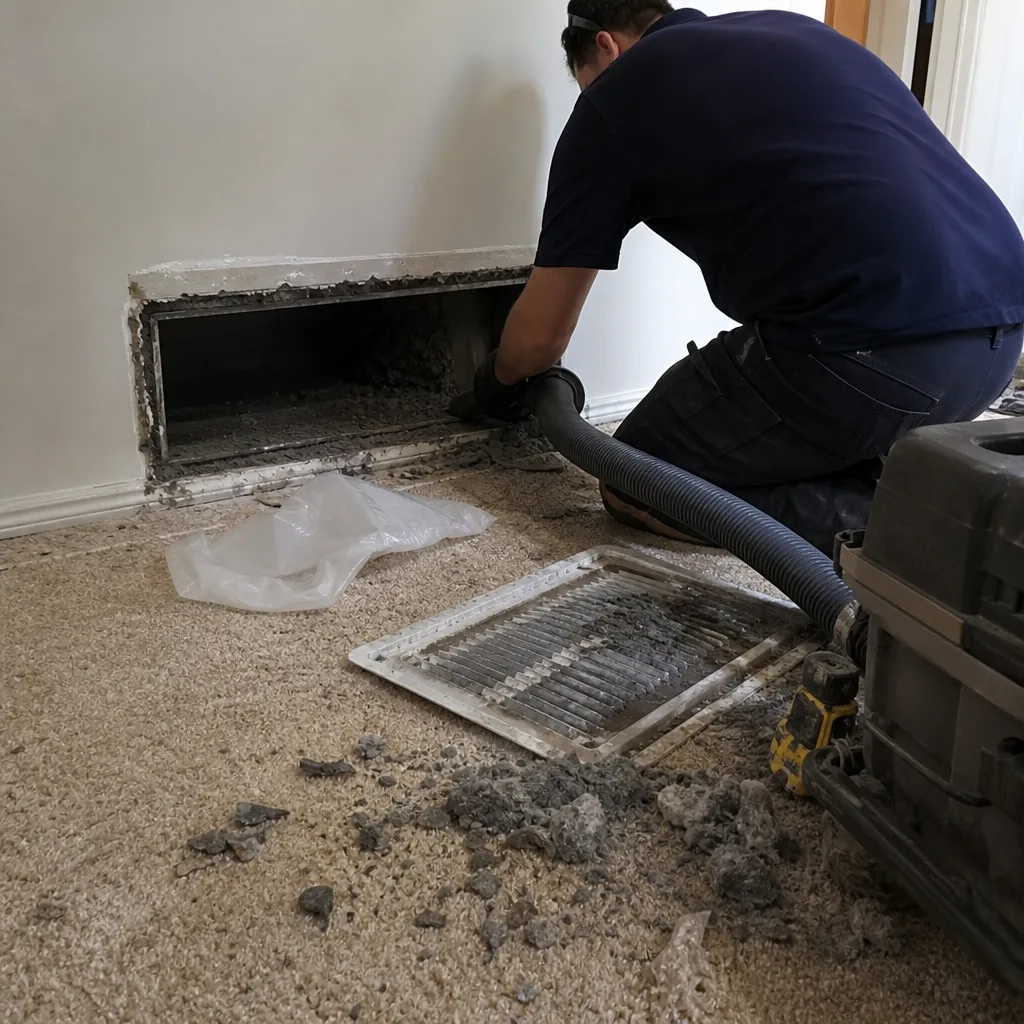 Before
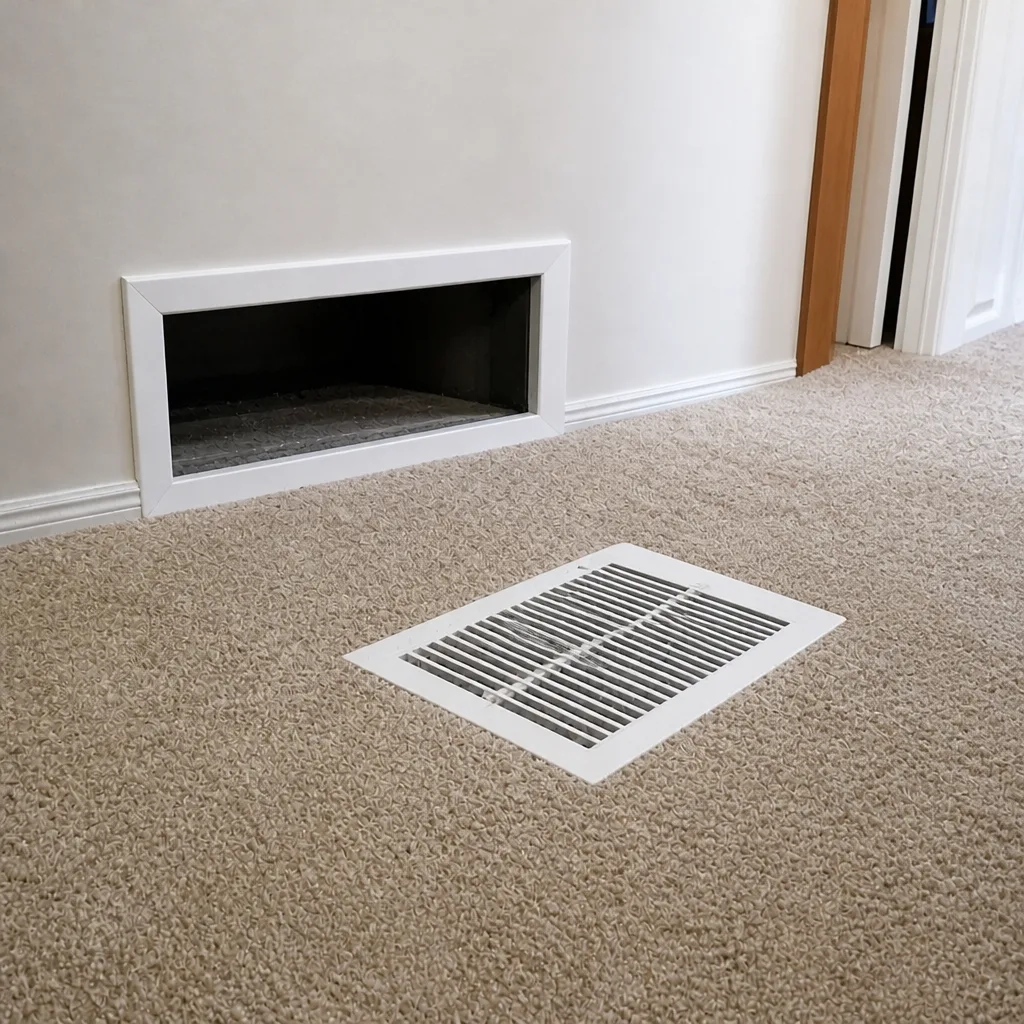 After
When to Call a Professional
Some situations call for a professional cleaning rather than another year of waiting. If your home has recently been through a renovation, particularly a kitchen or basement project, the return system has almost certainly collected fine drywall dust that regular filters won’t catch. If anyone in the household has allergies or asthma that seem worse indoors, or you notice dust settling quickly after cleaning, the ducts are worth inspecting. Visible dust blowing from a register when the system starts is a clear sign. So is a musty smell when the heat or AC kicks on, which can indicate moisture somewhere in the system. Older homes in University Park with original or partially replaced ductwork often have disconnected joints that haven’t been looked at in years. And if the dryer is taking longer to dry a load, get the dryer vent checked. University Park Air Duct Cleaning Pros offers free estimates in University Park. Call (855) 677-5998. We answer 24/7, with fast dispatch from 7am to 7pm, Sunday through Friday.
Frequently Asked Questions
Duct cleaning is priced per system, not per vent, and the written estimate you get before work starts sets the final price. The range depends on the size of the system, how many returns it has, and whether repair or sealing is needed. We give a flat price for the whole job up front, with no per-vent charges and no surprise additions on site. Call (855) 677-5998 for an exact quote; estimates are free.
Cheap quotes usually reflect a different job. A low price often means no negative pressure, no contact cleaning tools, and a technician who spends under an hour on the system. In University Park’s dry climate that approach stirs up dust rather than removing it, which can leave your indoor air worse than before. The written estimate from a source-removal contractor reflects real equipment and real time. Call (855) 677-5998 to compare properly.
Ask for before-and-after photos of your own ducts, taken at the same locations, plus a written report describing what was cleaned and what conditions were found. That combination is the only reliable evidence. Any contractor should be able to provide it. If the work is documented that way, you can check it yourself. Call (855) 677-5998 if you want to see what a complete report looks like.
Routine duct cleaning is generally a periodic job, not an annual one, but University Park homes have variables that shorten the interval. Post-renovation debris, pets, a history of smoking in the home, or persistent allergy symptoms all argue for cleaning sooner. Dryer vent cleaning is a separate schedule, and it’s worth checking more often than the ducts. Call (855) 677-5998 and we’ll help you think through the right interval for your system.
It does. The air at this elevation is drier and holds less moisture, which keeps fine particulate suspended longer and lets it travel further into the supply runs before settling. That means dust spreads more broadly through the system than it would in a humid climate, and loose dust re-enters the air more easily. A cleaning job here needs strong negative pressure and thorough contact cleaning on both the supply and return sides. Call (855) 677-5998 to have your system assessed.
Duct cleaning addresses the ductwork itself, including supply runs, returns, and registers. HVAC cleaning also covers the equipment side: the blower compartment, evaporator coil, and cabinet, which collect dust too and aren’t part of the ductwork. Many complete jobs include both, since contamination in one tends to affect the other. We cover both under one roof, so you’re not coordinating separate contractors. Call (855) 677-5998 to see what your system needs.
The Bottom Line
Duct cleaning in University Park has to be built for University Park. The altitude and dry air speed up how far fine particulate travels and how easily it re-enters your living space, so a job that would pass in a humid climate can underdeliver here. The essentials are consistent: source removal under negative pressure, contact cleaning on both the supply and return sides, remediation-grade equipment like Rotobrush and Nikro systems, and before-and-after documentation you can check yourself. Add sealing and sanitizing, because clean ducts are only half the job, and don’t skip the dryer vent. One flat price per system, agreed before work starts, is what you should insist on.
University Park Air Duct Cleaning Pros handles the full lifecycle in one visit. Call (855) 677-5998 for a free estimate. We answer 24/7, with fast dispatch from 7am to 7pm, Sunday through Friday.
Written by the team at University Park Air Duct Cleaning Pros.