
Last updated November 24, 2026
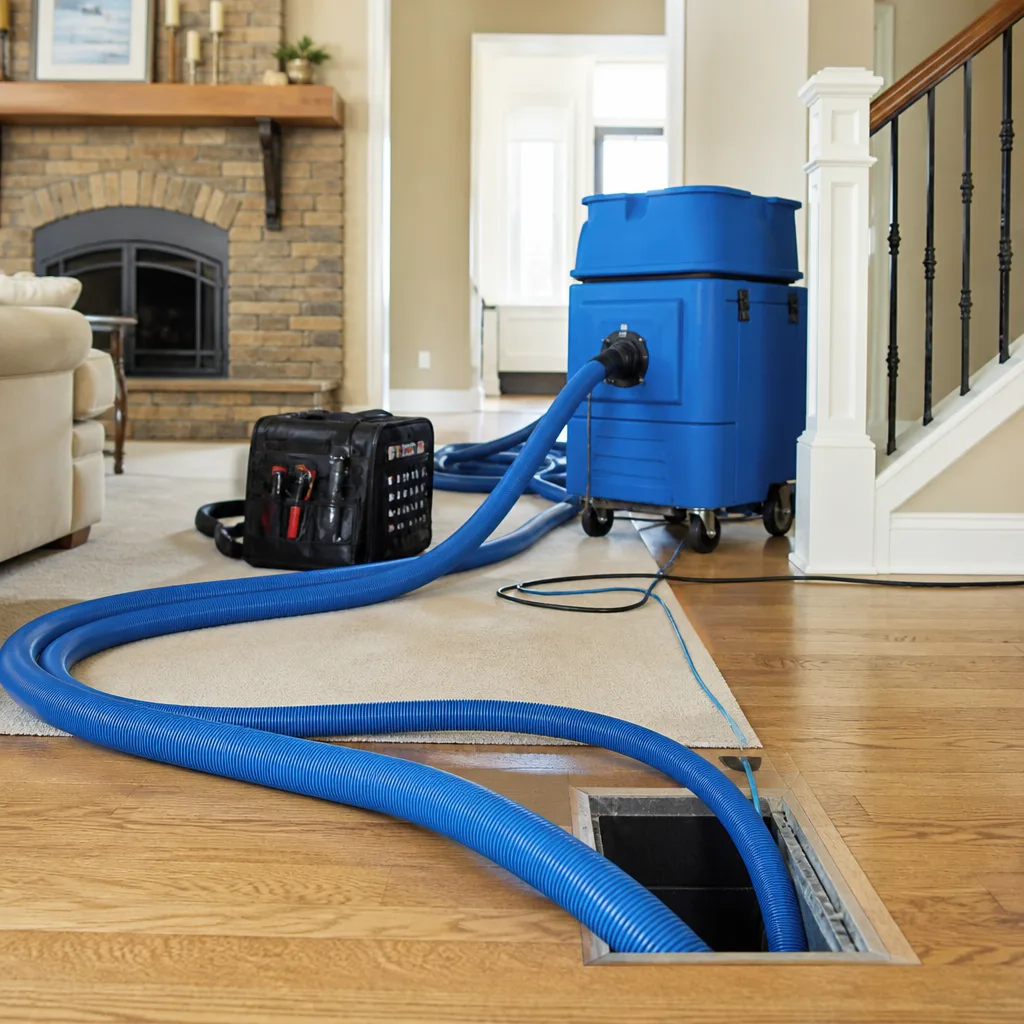 Whole-home duct cleaning
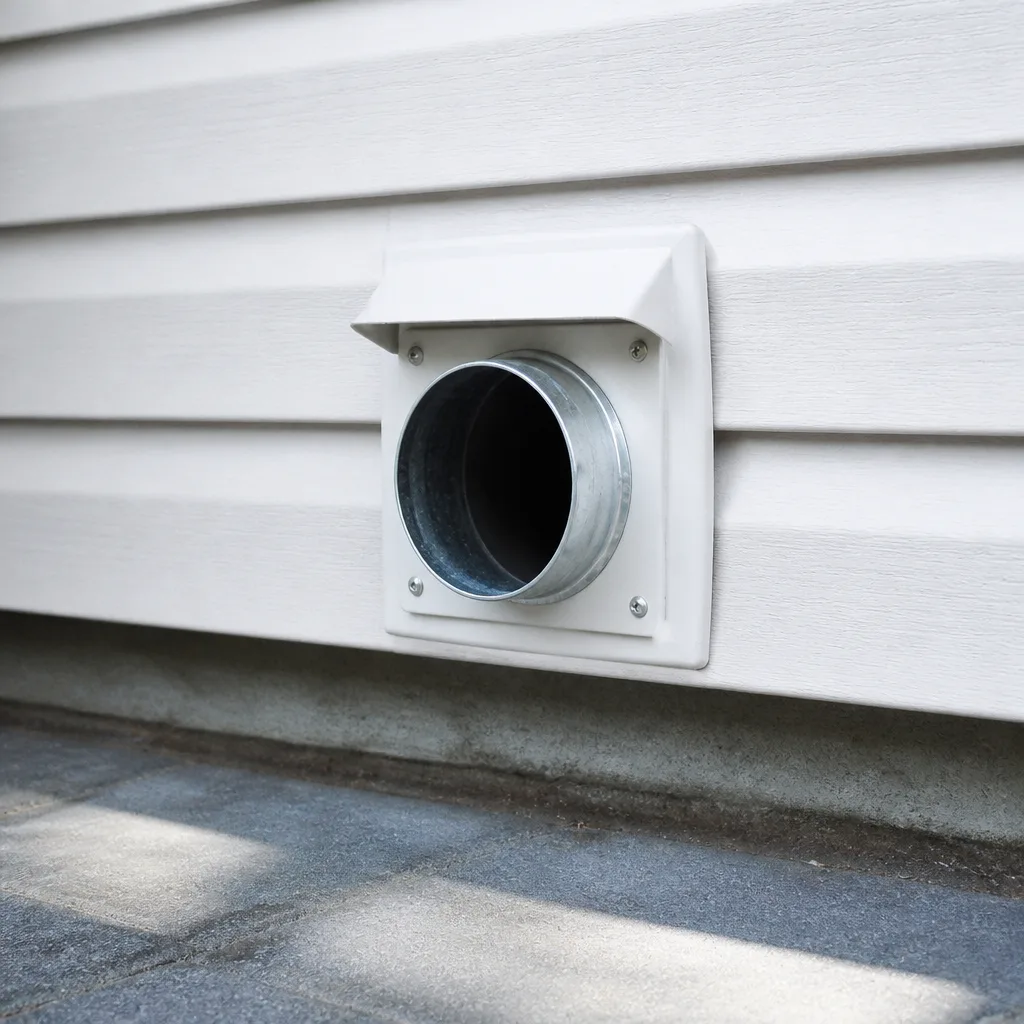 Dryer vent cleaning
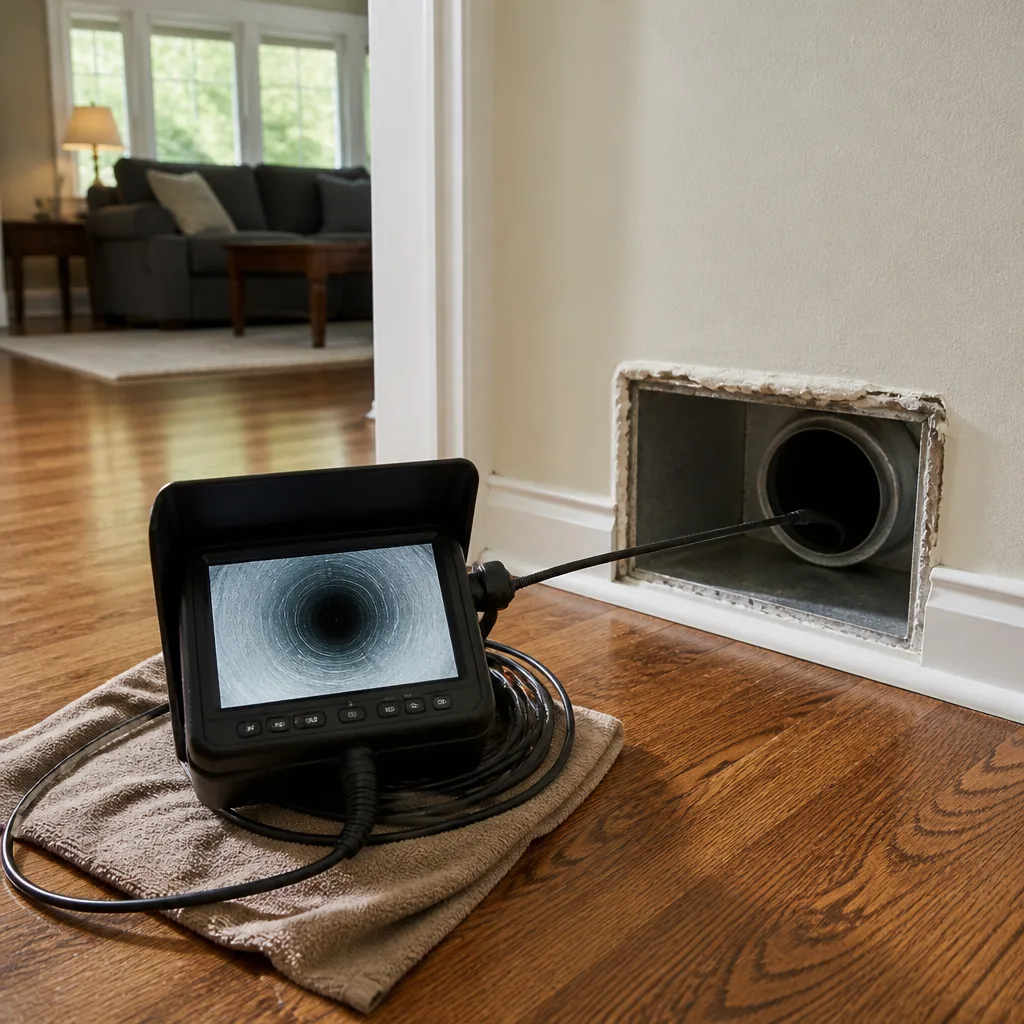 Camera inspection
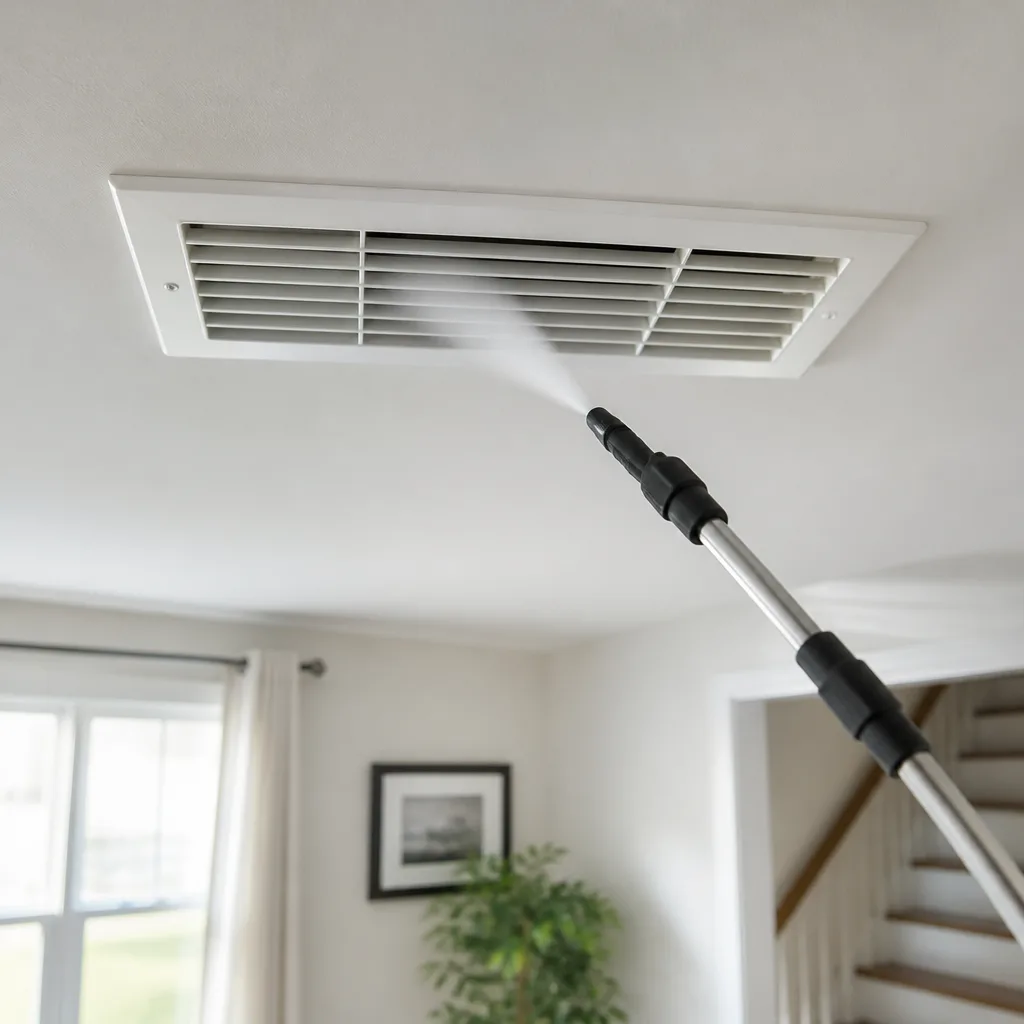 Sanitizing & deodorizing
Whole-system duct and dryer vent check with before-and-after photos - you see exactly what came out of your vents
That "$99 whole-house special" is a bait ad - the real number appears once they are in your hallway, or the "clean" is a shop-vac at the register. We photograph the inside of your ducts before and after instead.
Air Duct Cleaning Warning Signs: A University Park Homeowner’s Reference Guide
That musty smell when the heat kicks on isn’t your furnace. It’s your duct system telling you it has a microbial load, and by the time you can smell it, it’s been colonizing liner surfaces for months. Most homeowners in University Park treat that smell, the dusty register, or the cold bedroom as normal household noise. They turn up the thermostat, dust a little more, and move on. But your ductwork is the one system in the house that talks to you constantly through airflow, odor, and dust patterns, and most of us have never been taught to listen. This guide teaches you to read those signals as diagnostic data. You’ll learn which odors point to which contamination, which visual cues you walk past daily, and where a cleaning job ends and a remediation-level response begins.
Quick Answer
The main warning signs that your air ducts need professional attention in University Park are persistent musty or chemical odors when the HVAC runs, visible dust or dark streaking around registers, uneven room-to-room airflow, allergy symptoms that flare when the system is on, and visible debris or pest evidence inside vents. Signs that can smell or look similar but indicate a deeper contamination problem need a remediation-grade response rather than routine cleaning.
Styles & brands we work with
- Whole-home duct cleaning
- Dryer vent cleaning
- Camera inspection
- Sanitizing & deodorizing
Table of Contents
- What Your Duct Odors Are Telling You: Reading the Profile
- Visual Cues at Registers and Vents You Walk Past Every Day
- Airflow Asymmetry: When the Problem Isn’t Your Thermostat
- Allergy and Respiratory Patterns That Track Your HVAC, Not the Season
- Cleaning Job vs. Remediation Job: Why the Distinction Matters
- How a Proper Duct Inspection Actually Works
- The Overlooked Sign: Your Dryer Vent Is Part of the Same System
- Clean Ducts Are Only Half the Job: Sealing and IAQ Products
What Your Duct Odors Are Telling You: Reading the Profile
Odor is the most reliable early signal a duct system gives you, but only if you can tell one smell from another. Homeowners in University Park often describe a single “duct smell,” when in reality there are four distinct profiles, and each points to a different source. Learning to name what you’re smelling is the first diagnostic step.
- Musty, damp, or “basement” smell: Points toward microbial growth on duct liner surfaces, especially where condensation has collected or where a duct runs through a cooler unconditioned space. This is the profile that usually means colonization has been underway for a while.
- Ammonia-like or musky-sharp odor: Points toward rodent or pest activity inside the ductwork. Droppings and nesting material carry a distinct sharp note that differs from ordinary dust.
- Drywall dust, sawdust, or a chalky smell: Points toward construction or renovation debris pulled into the system. A remodel that happened months ago can leave fine particulate circulating for a long time afterward.
- Sweet, oily, or refrigerant-like smell: Points toward an HVAC fluid or refrigerant concern and should be investigated by an HVAC professional, not treated as a duct-cleaning problem.
The reason this matters is that the wrong response wastes money. A microbial smell treated as routine dust will come back. A rodent smell treated as routine dust leaves the contamination source untouched. When we run into this in University Park, our readings and the tool choice follow the profile, not a one-size routine. Rotobrush contact cleaning handles a lot of general debris, but a microbial or pest scenario may call for Abatement Technologies filtration capability and a sanitizing step, not just a pass with a vacuum.
Visual Cues at Registers and Vents You Walk Past Every Day
Your registers are the most visible diagnostic surface in the house and the easiest to ignore. The same dust line on a vent cover you’ve passed a thousand times is actually telling you something specific about how air is moving through that branch of the system. Here’s what to actually look for, and what each cue suggests.
- Dark streaking or soot-like trails radiating from a register: This is air escaping past a poorly sealed boot rather than through the intended opening, which pulls dust in from the wall cavity.
- Thick grey or black dust on the vent louvers: Heavy buildup on the face of the register itself points to a strong dust source upstream, often a clogged return or a dirty plenum.
- Visible debris when you hold a flashlight to the gap: Drywall crumbs, insulation fibers, pet hair, or pest droppings are all clearly visible with a flashlight and are a strong indicator the duct hasn’t been cleaned in a long time.
- Discolored or peeling flex duct liner: The inner liner can hold moisture and degrade. That degradation pattern says the duct is a contamination reservoir, not just a delivery pathway.
- Rust rings around the boot or supply collar: Rust means moisture has been present, and moisture is what microbial growth needs to take hold.
In our experience inspecting University Park homes, the most overlooked cue is the return grille. It’s the largest opening in the system and the one most likely to be packed with dust, and once it’s saturated, everything downstream is running dirtier. A five-second flashlight check at each return tells you more than any thermostat reading.
Airflow Asymmetry: When the Problem Isn’t Your Thermostat
If one bedroom is always cold in winter and another always overheats, the instinct is to blame the thermostat or the furnace. Most of the time it’s neither. Uneven room-to-room airflow is one of the clearest duct integrity warning signs, and it usually points to a compromised branch of the system: a disconnected flex duct, a crushed section behind drywall, or a boot that’s pulling in unconditioned attic air. The furnace is doing its job; the ducts just aren’t delivering.
Here’s a simple diagnostic sequence you can run without touching anything dangerous:
- Turn the system on and hold a strip of tissue paper against each supply register in turn. Note how far the tissue deflects at each one. Wildly different deflection between rooms is your asymmetry signal.
- Walk the house and note which rooms feel noticeably different from the rest. One or two outliers is a strong pattern.
- Check the return path. A room that can’t return air can’t supply air properly either.
- Listen at the registers for whistling or rushing sounds that suggest air is being forced through a restriction.
The pattern matters more than any single reading. In University Park’s older homes, flex duct runs through attic spaces are the usual suspects, and a crushed run behind a knee wall can quietly starve a whole wing for years. This is exactly the kind of finding that shows up during a proper inspection but never on a thermostat display. It’s why our team treats airflow asymmetry as a duct problem first and a comfort problem second, because fixing the duct fixes the room.
Allergy and Respiratory Patterns That Track Your HVAC, Not the Season
Seasonal allergies follow the pollen calendar. Duct-sourced exposure follows your HVAC. If you can tell the difference, you can often identify the source. The key is timing: an outdoor allergy flares when you’re outside or during high-pollen weather, while a duct-sourced irritation tends to flare in the first minutes after the system starts running, or the first few hours after you’ve closed up the house. Watch for these patterns:
- Symptoms that hit within 15 to 30 minutes of the heat or AC coming on, then settle.
- Morning congestion that eases once you’ve been out of the house for a while and returns the next morning.
- Family members who feel consistently worse in one particular room, especially a bedroom over a garage or a basement office.
- Symptoms that improve when the system is off for a stretch, like a long trip, then return within a day or two of coming home.
- A pattern where a household member with asthma needs a rescue inhaler more often at home than away.
These patterns do not diagnose anything, and we don’t. What they do is point toward a delivery system issue worth investigating. If the pattern traces to the ductwork, cleaning plus the right filtration can change the outcome. We work with Honeywell and Aprilaire product lines because filtration and purification choices live on the same system as the ducts, and a homeowner struggling with indoor air quality deserves advice on the whole picture, not a comment on whether the ducts “look dirty.” That said, for anyone with genuine health concerns, the right first call is a doctor, not a duct cleaner. We look at the home; they look at the person.
Cleaning Job vs. Remediation Job: Why the Distinction Matters
The single biggest cause of inadequate treatment is a category error. A homeowner with a remediation-level problem hires a routine cleaning crew, the ducts look better for a few weeks, and the problem comes back. Then they conclude that duct cleaning “doesn’t work.” It works fine; the job was just the wrong job. Distinguishing a cleaning job from a remediation job is the most important skill in this guide.
| Signal | Typically a cleaning job | Typically a remediation job |
|---|---|---|
| Dust buildup at registers | Yes, if uniform and dry | No |
| Musty or microbial odor | No | Yes – needs filtration and sanitizing |
| Visible rodent droppings or nesting | No | Yes – source removal required |
| Post-renovation drywall debris | Sometimes, if limited | Usually – heavy particulate needs remediation-grade capture |
| Visible mold-adjacent growth on liner | No | Yes |
| Peeling or moisture-damaged liner | No | Yes – and repair may be needed |
| General dust after years without service | Yes | No |
What separates the two categories at the equipment level is the ability to capture fine particulate and remove contamination at the source rather than just loosening it. Rotobrush contact cleaning systems and Nikro professional equipment can handle the routine end thoroughly. For a remediation-level scenario, Abatement Technologies filtration capability matters because contaminants need containment, not redistribution. We handle what other duct cleaners leave behind precisely because we carry both categories of equipment rather than assuming every job is routine.
How a Proper Duct Inspection Actually Works
Before any cleaning happens, a proper inspection establishes what you’re dealing with. If someone quotes a job without looking inside the ducts, walk away. The inspection is where contamination type gets identified and the correct treatment gets selected. Here’s how it should proceed:
- System walk-through: Every supply and return is opened and checked, along with the air handler and the plenum.
- Visual inspection with camera or direct access: Duct interior surfaces are examined for dust load, debris, moisture, liner condition, and pest evidence.
- Odor and airflow assessment: The inspector confirms which contamination profile is present and how it correlates with your symptom and airflow patterns.
- Containment check: The inspector confirms whether negative pressure and HEPA capture are needed before anything is disturbed.
- Findings and written scope: You get a clear statement of what needs cleaning, what needs sealing or repair, what needs sanitizing, and whether the job crosses into remediation territory.
That last step protects you. A written scope that names the specific work is what prevents bait-and-switch surprises, and it’s the basis for a single flat price for the system rather than a per-vent count. That pricing structure exists for a reason: a “cheap per-vent” quote can grow dramatically once a technician is in the house and the contamination is visible. A whole-system price agreed before work starts removes the guessing on both sides.
The Overlooked Sign: Your Dryer Vent Is Part of the Same System
One warning sign gets almost no attention and carries the most serious safety consequence: a clogged dryer vent. Generic HVAC companies frequently skip it, and it’s the single most documented residential fire hazard connected to your ductwork. If your clothes take noticeably longer to dry, the dryer exterior feels hot to the touch, the laundry room stays humid after a cycle, or you see lint around the exhaust hood outside, you’re looking at a vent that has lost its airflow.
Unlike general duct cleaning, dryer vent cleaning is a safety service first and a performance service second. We recommend treating it separately from routine air duct cleaning because the schedule is different, the risk is different, and the tooling is different. In a University Park home where the dryer is in an interior closet and the vent run is long, lint accumulates faster than the square footage suggests, and a vent that once moved air easily can become a genuine fire risk well before a homeowner notices a performance problem. It’s why we offer it as a standalone service rather than bundling it in afterthought-fashion. If you’ve checked the airflow at your dryer exhaust and it’s weak, that’s a twenty-minute call, not a someday item.
Clean Ducts Are Only Half the Job: Sealing and IAQ Products
An often-missed point: cleaning a leaky duct doesn’t fix a leaky duct. Sealing matters because a duct system that leaks wastes the air you paid to condition and pulls unconditioned air, dust, and attic debris into the airstream through every gap. The three-step lifecycle is cleaning, sealing, and sanitizing, and skipping the middle step is why some homes never feel fully comfortable after a cleaning. We cover all three in a single visit so you’re not coordinating multiple contractors.
- Cleaning removes accumulated debris and the contaminated layer on duct surfaces.
- Sealing closes the gaps that let dust and air in, and it preserves the cleaning longer.
- Sanitizing applies treatment to the surfaces left after cleaning, with Guardsman-brand protective treatments available as part of the process for lasting results beyond the visit.
On the filtration side, Honeywell and Aprilaire product lines let us advise on the right air quality integration for your home rather than recommending a filter that looks impressive on paper but doesn’t match your system. This is what “full duct lifecycle in one visit” means in practice: cleaning plus repair and sealing plus sanitizing, handled by people who know the difference between the steps. University Park homeowners willing to invest in a thorough, equipment-backed job get more long-lasting results than a fast surface cleaning ever delivers.
Common Mistakes to Avoid
- Using only the thermostat to diagnose comfort problems. Uneven heating and cooling is usually a duct integrity issue, and no thermostat setting will fix a crushed duct run.
- Treating every dust spot as ordinary dust. Drywall crumbs, insulation fibers, pest evidence, and discolored liner each need a different response than a routine cleaning.
- Book the lowest per-vent quote sight unseen. A price given before the ducts are opened tends to be a teaser figure, and the real scope often appears after the technician arrives.
- Cleaning without sealing. Loosened dust from a leaky system can return quickly, wasting the cleaning you paid for.
- Ignoring the dryer vent as “not really part of the HVAC.” It’s a documented fire hazard and needs its own dedicated service, not a mention on the way out the door.
- Refusing an inspection because the ducts “look clean at the registers.” Registers can look fine while the return plenum and interior liner are heavily loaded.
- Skipping ventilation for post-renovation debris. Drywall particulate is fine and pervasive; high-efficiency filtration capability is the right tool after a remodel, not just any vacuum.
See the difference
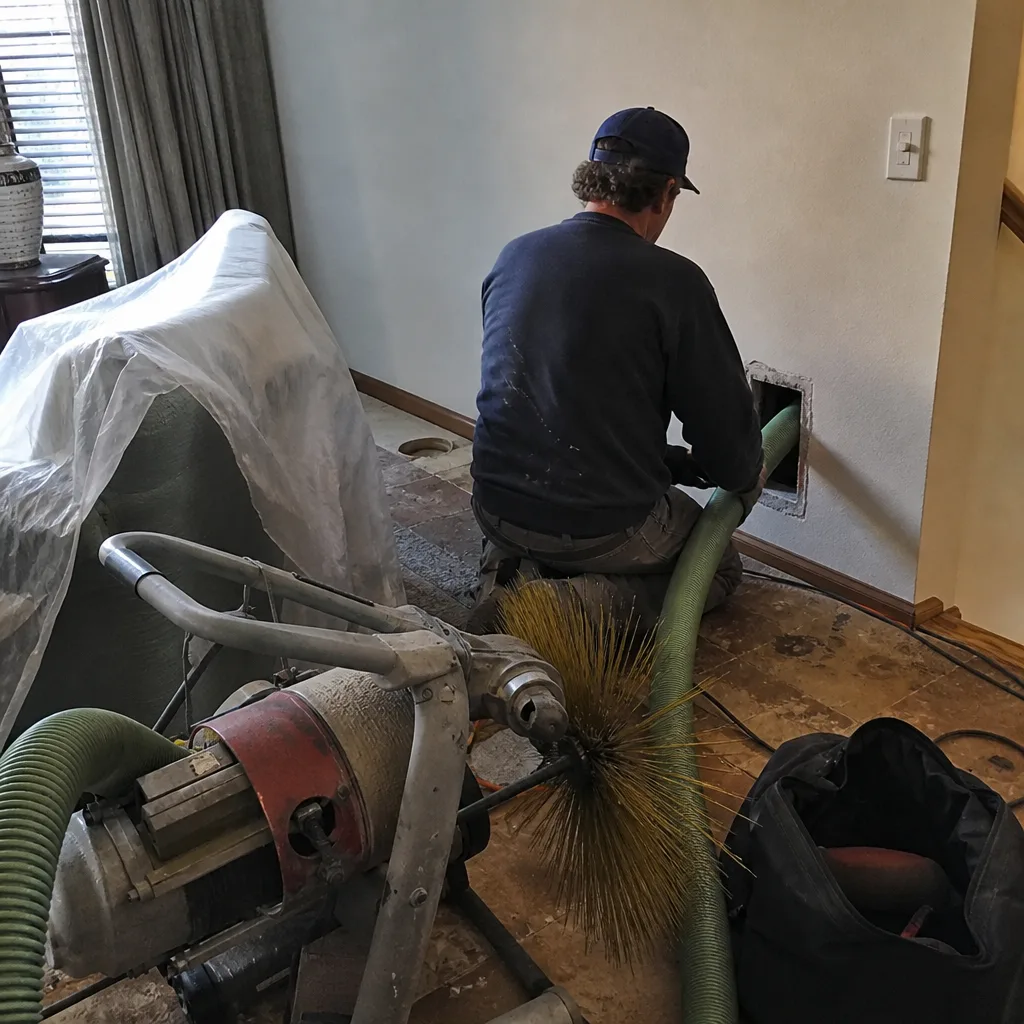 Before
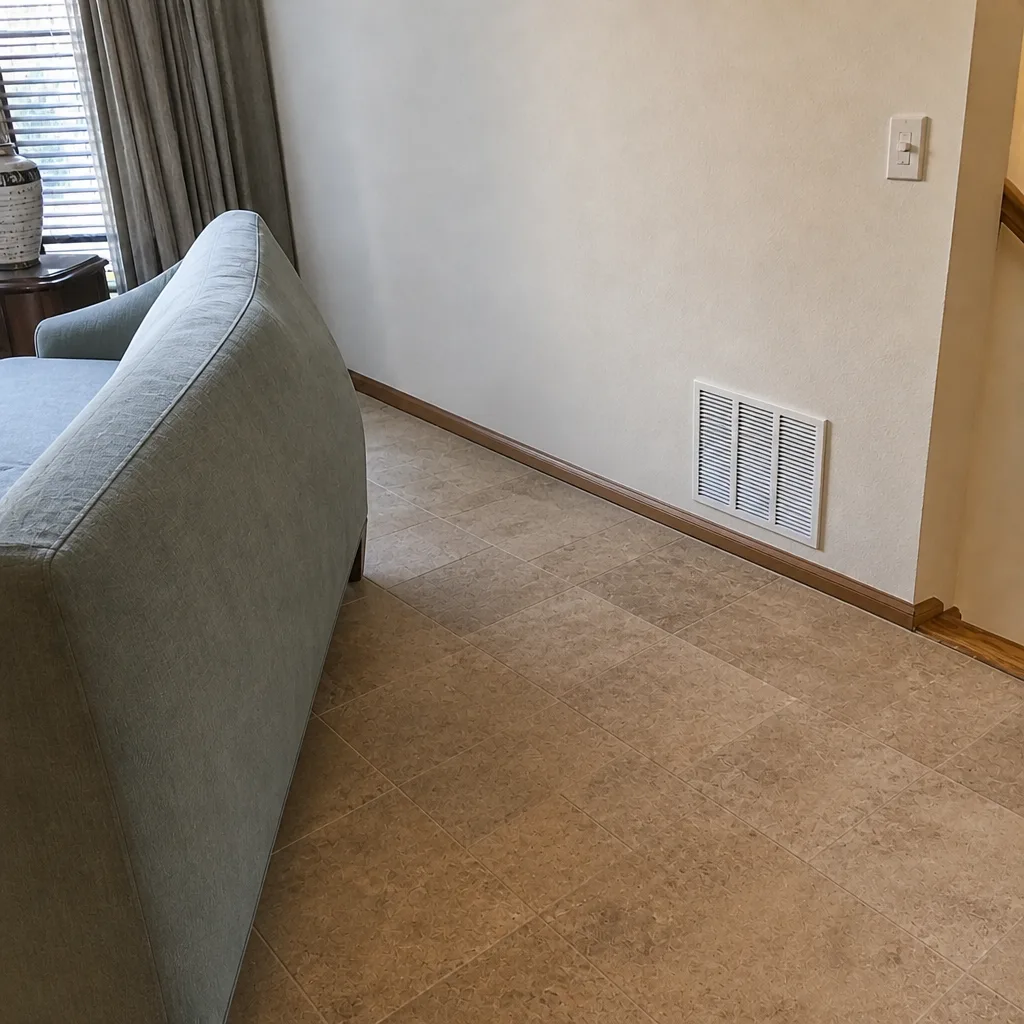 After
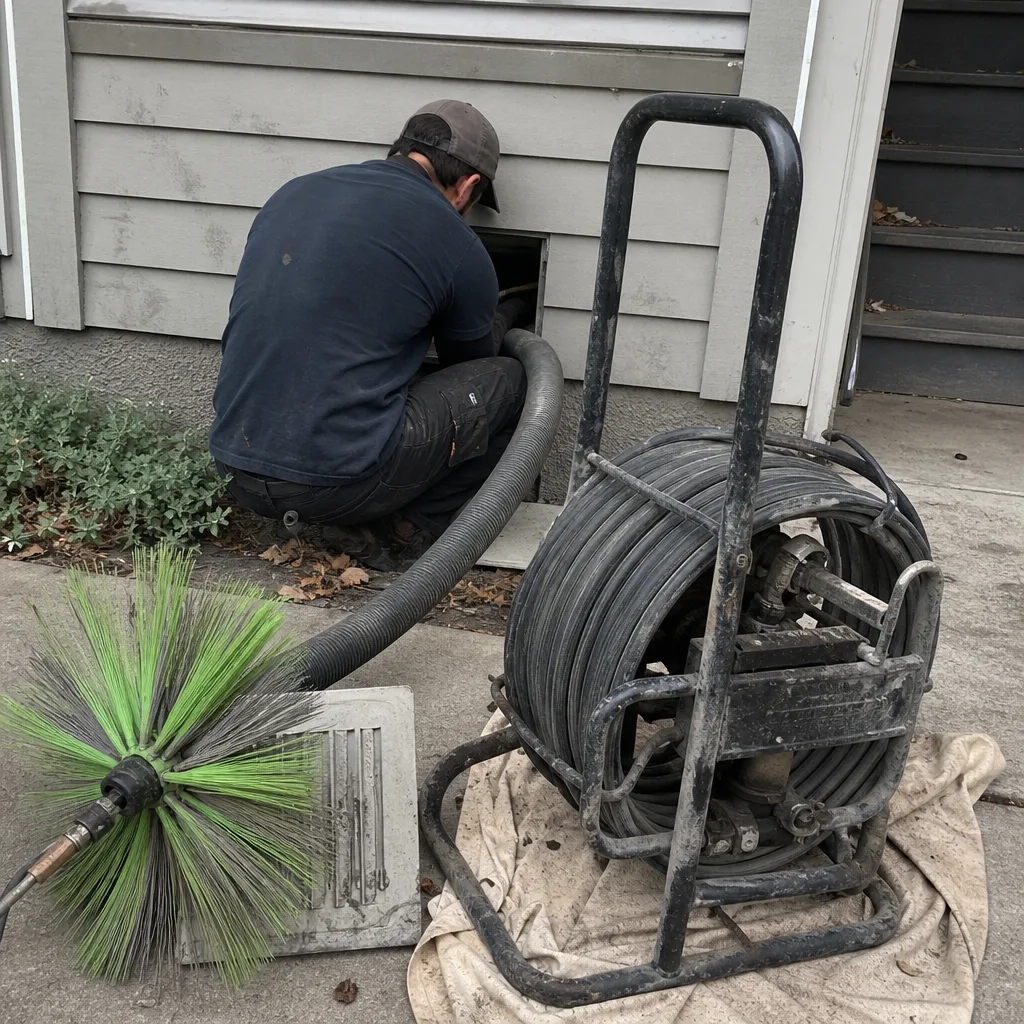 Before
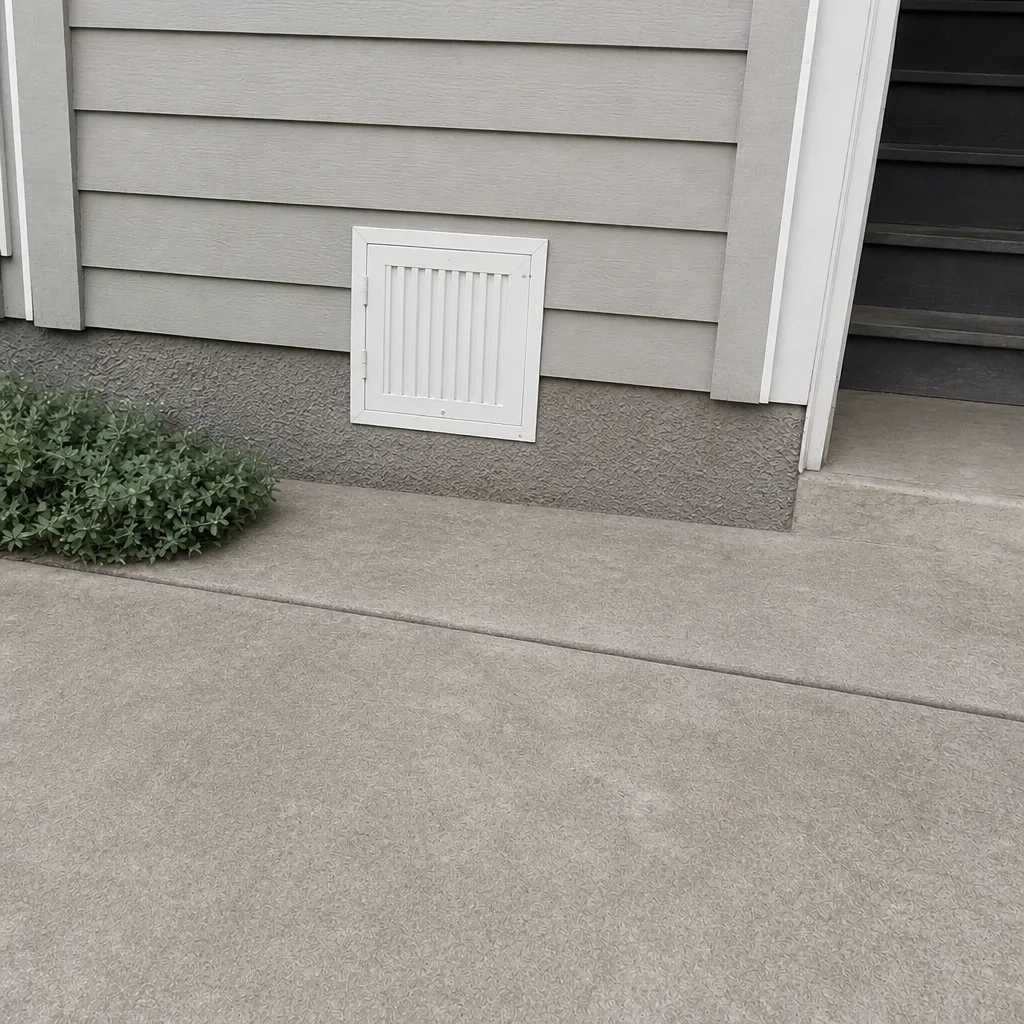 After
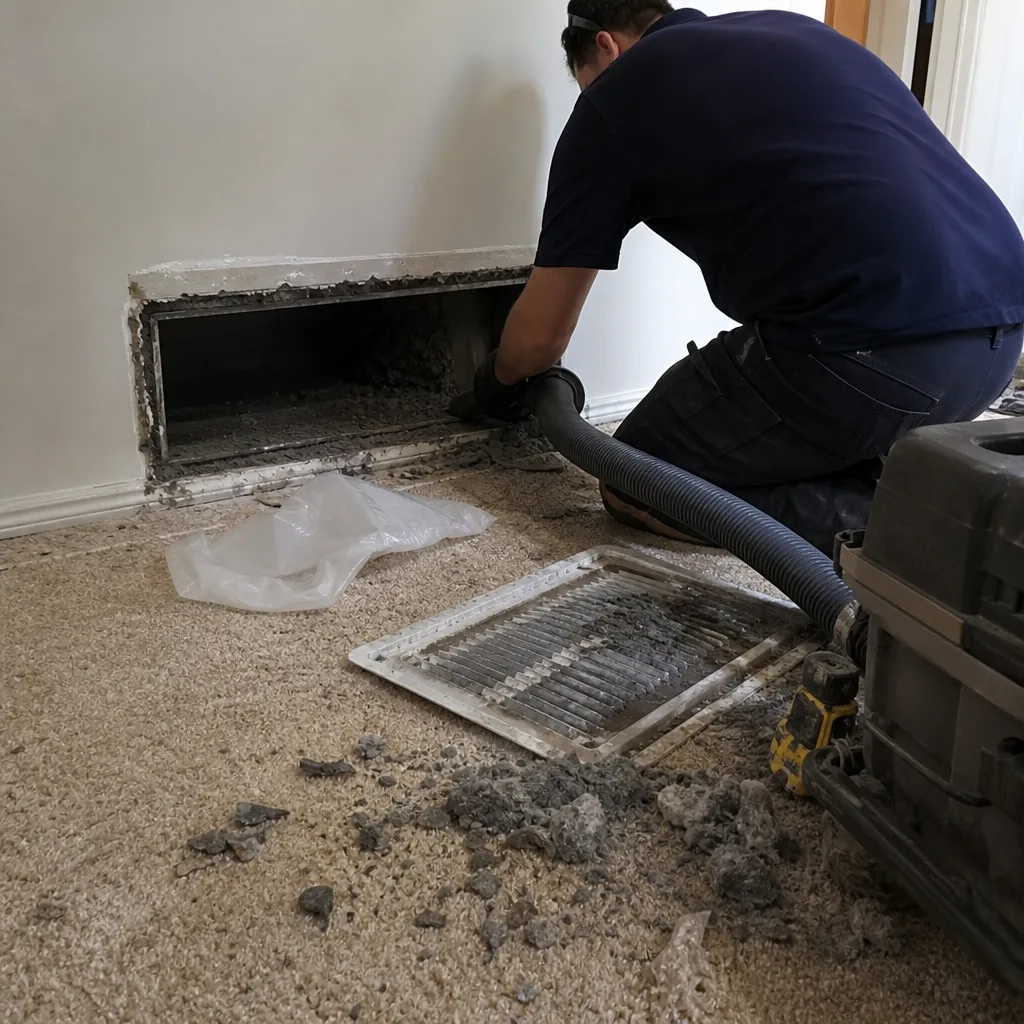 Before
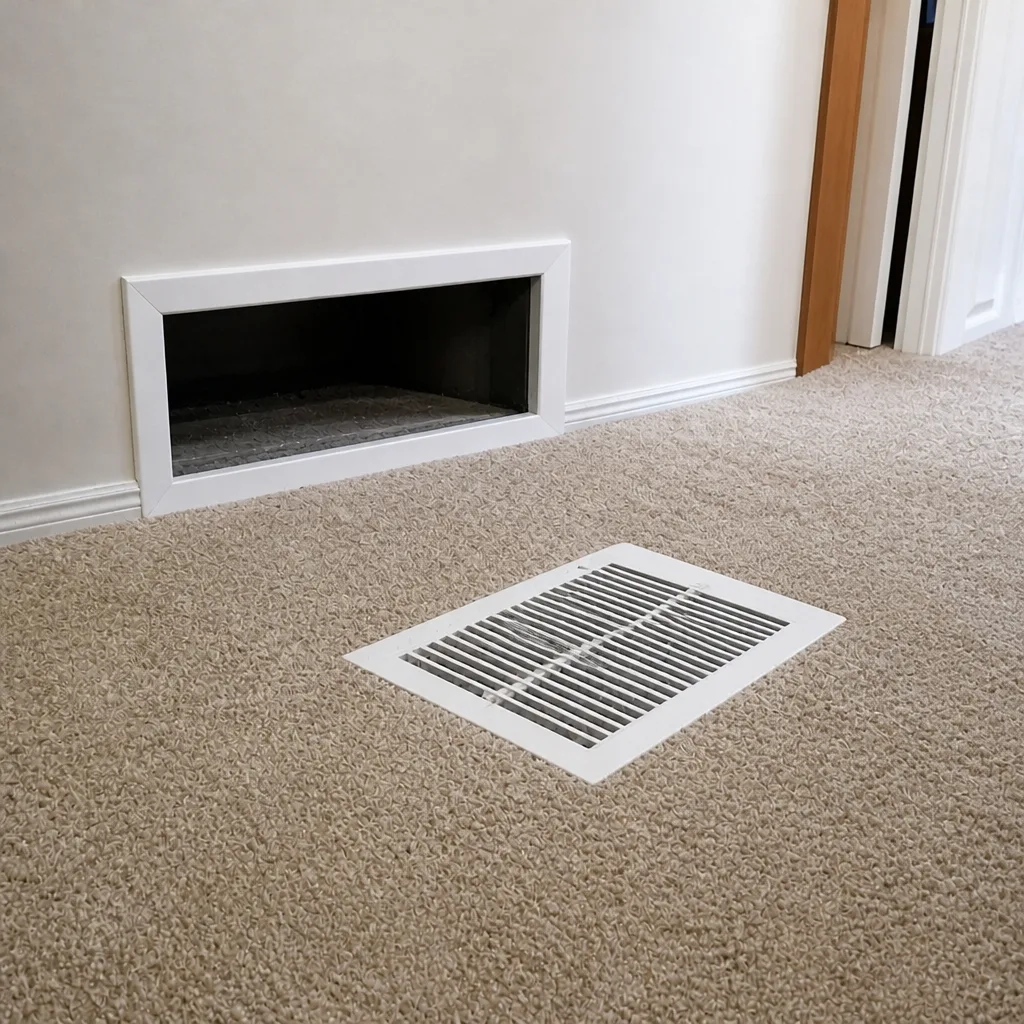 After
When to Call a Professional
Call a professional when the odor doesn’t clear after the system has run for a while, when the same room can’t stay comfortable no matter how you adjust the thermostat, when allergies track your HVAC schedule rather than the pollen calendar, or when you can see debris inside a vent with a flashlight. Also call when the dryer vent airflow weakens. Those are all signs that a diagnostic inspection is worth the time. Our technicians have up to 11 years of experience and know what each profile means for the right treatment. University Park Air Duct Cleaning Pros offers free estimates in University Park – call (855) 677-5998 to book an inspection and get an honest scope of what needs cleaning, sealing, or sanitizing.
Frequently Asked Questions
The deciding factor is the contamination profile, not the amount of dust. Uniform, dry dust at registers with no odor usually indicates a routine cleaning job. Musty or microbial odor, pest evidence, moisture damage, or visible growth on liner surfaces generally calls for a remediation-level response with proper filtration, sanitizing, and possibly duct repair. A professional inspection is what separates the two, and it’s the only reliable way to know what you’re actually dealing with. Call (855) 677-5998 for a free estimate.
A musty smell is a strong indicator of microbial growth on duct liner, and by the time you can smell it, the colonization has usually been underway for months. That doesn’t mean an emergency, but it does mean routine dust cleaning won’t solve the problem. The correct response is an inspection that confirms where the growth is and then a cleaning plus sanitizing approach with the right equipment. Call (855) 677-5998 for a free estimate.
Because duct-sourced exposure follows your HVAC operation, not the outdoor pollen calendar. If symptoms flare within 15 to 30 minutes of the system starting, ease when you’re out of the house, and return when you come back, the pattern points toward your ductwork. That’s a home inspection question, not a medical one, and a proper inspection will confirm whether the source is worth cleaning. Call (855) 677-5998 for a free estimate.
We price each job as a single flat price per system, agreed before work starts, and every estimate is free. We don’t quote per-vent figurines or teaser coupon rates, because that’s what causes the bait-and-switch experiences many homeowners worry about. You get a written scope and a flat number for your system. Call (855) 677-5998 for an exact quote – estimates are free.
Because the cheap quote often covers less work than the job needs, and the difference surfaces once a technician is inside the house. Another common pattern is a per-vent teaser price that grows to a whole different total after the scope expands. Look at the equipment being used, ask for a written scope, and expect a single flat price per system. Call (855) 677-5998 if you want a straight answer on what your system needs.
Ask for before-and-after photos of your own ducts, taken inside the system. Before-and-after photos of your specific ductwork are the standard we hold ourselves to, and any professional who is comfortable showing you that footage had nothing to hide. It’s also the best way to see whether the liner was cleaned to bare surface or just given a light pass. Call (855) 677-5998 for a free estimate.
The Bottom Line
Your duct system talks to you constantly through odor, dust, airflow, and symptom patterns. Most homeowners in University Park have simply never been taught to read those signals. The four odor profiles point to different contamination types. Register-level visual cues reveal dust source problems and moisture damage. Airflow asymmetry is a duct-integrity warning, not a thermostat issue. Symptom timing that tracks HVAC operation rather than the season suggests a delivery system worth inspecting. And the single most important distinction is between a cleaning job and a remediation job, because mixing them up is what makes duct cleaning seem ineffective. Read the signals, get a real inspection, and treat the duct system as one whole: cleaning, sealing, sanitizing.
Written by the team at University Park Air Duct Cleaning Pros.
Call (855) 677-5998 to book a free estimate. We answer 24/7. Fast dispatch from 7am to 7pm, Sunday through Friday. Start with University Park Air Duct Cleaning Pros to see how we approach every system, or go straight to what you need: air duct cleaning for the full system, dryer vent cleaning for the fire-risk side of the same house, and HVAC cleaning for the equipment your ducts feed into.