
Last updated November 23, 2026
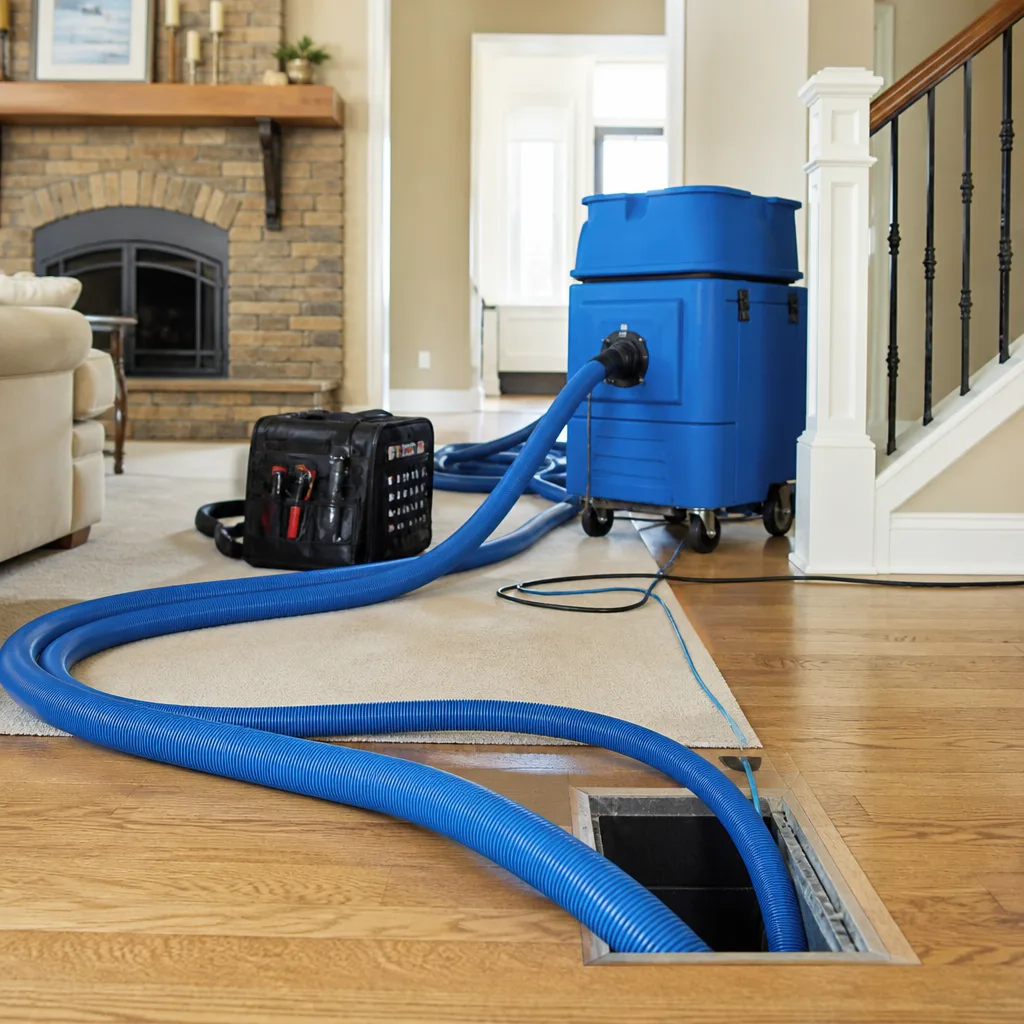 Whole-home duct cleaning
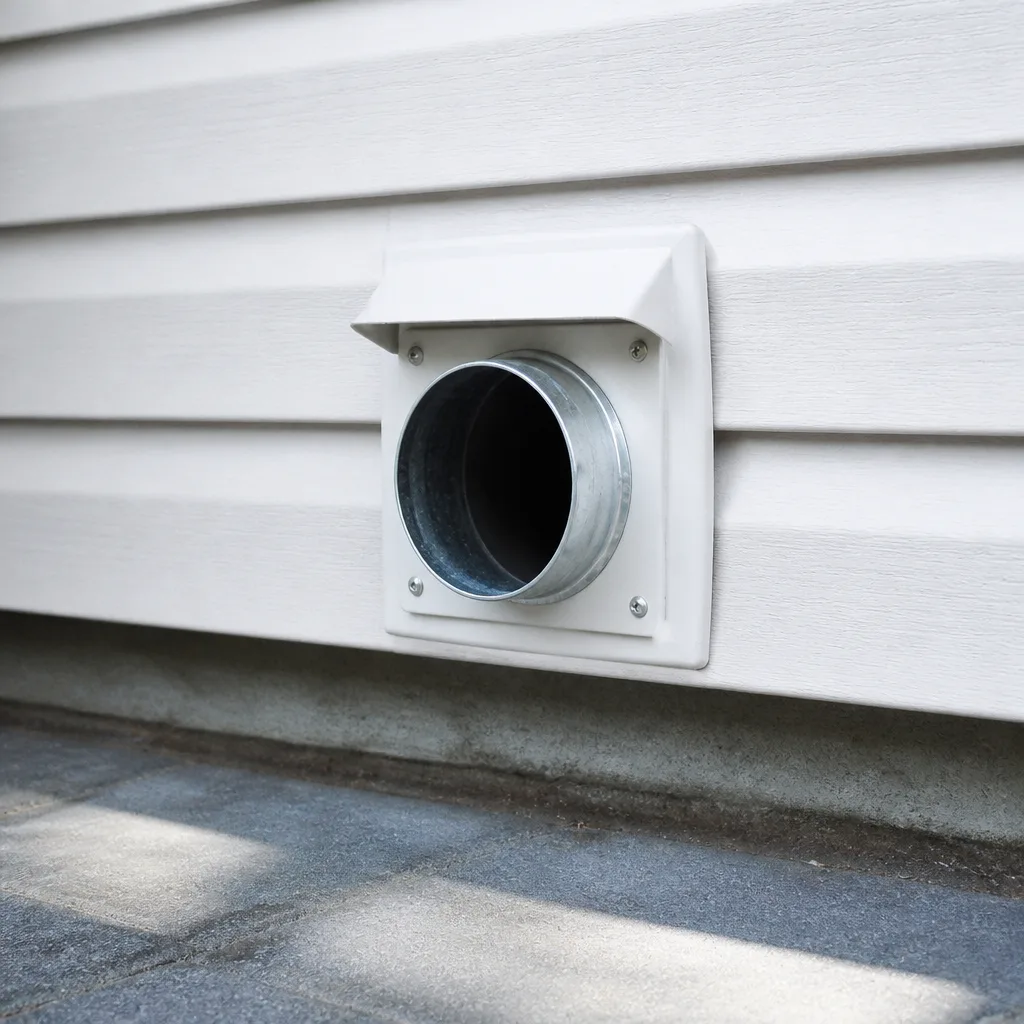 Dryer vent cleaning
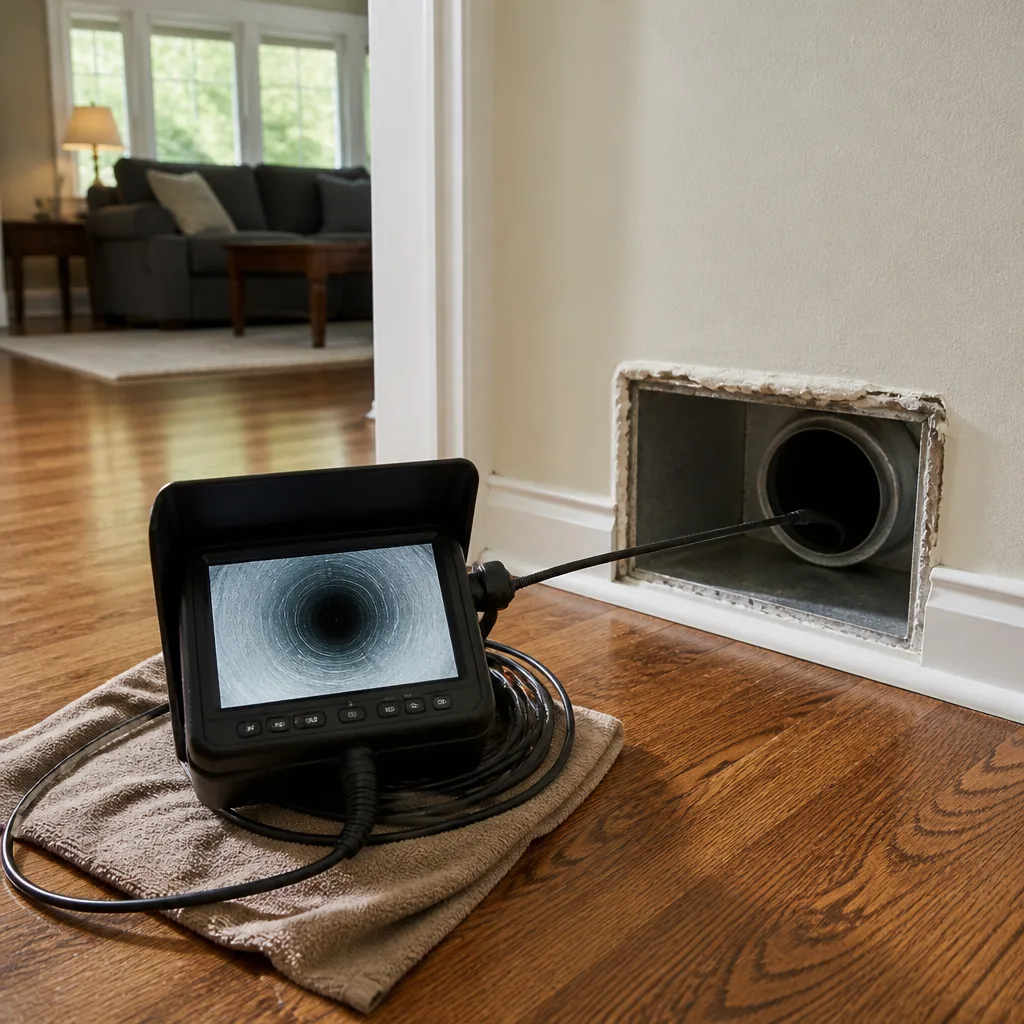 Camera inspection
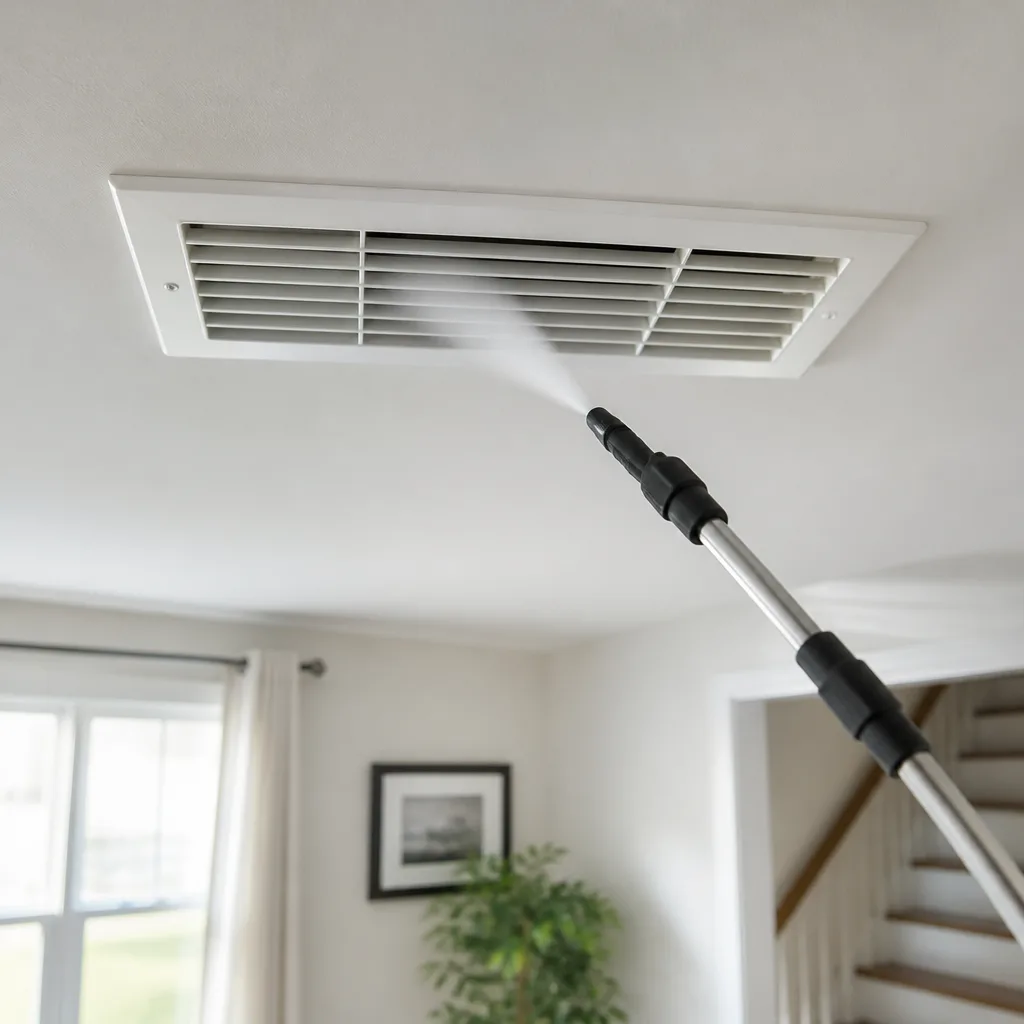 Sanitizing & deodorizing
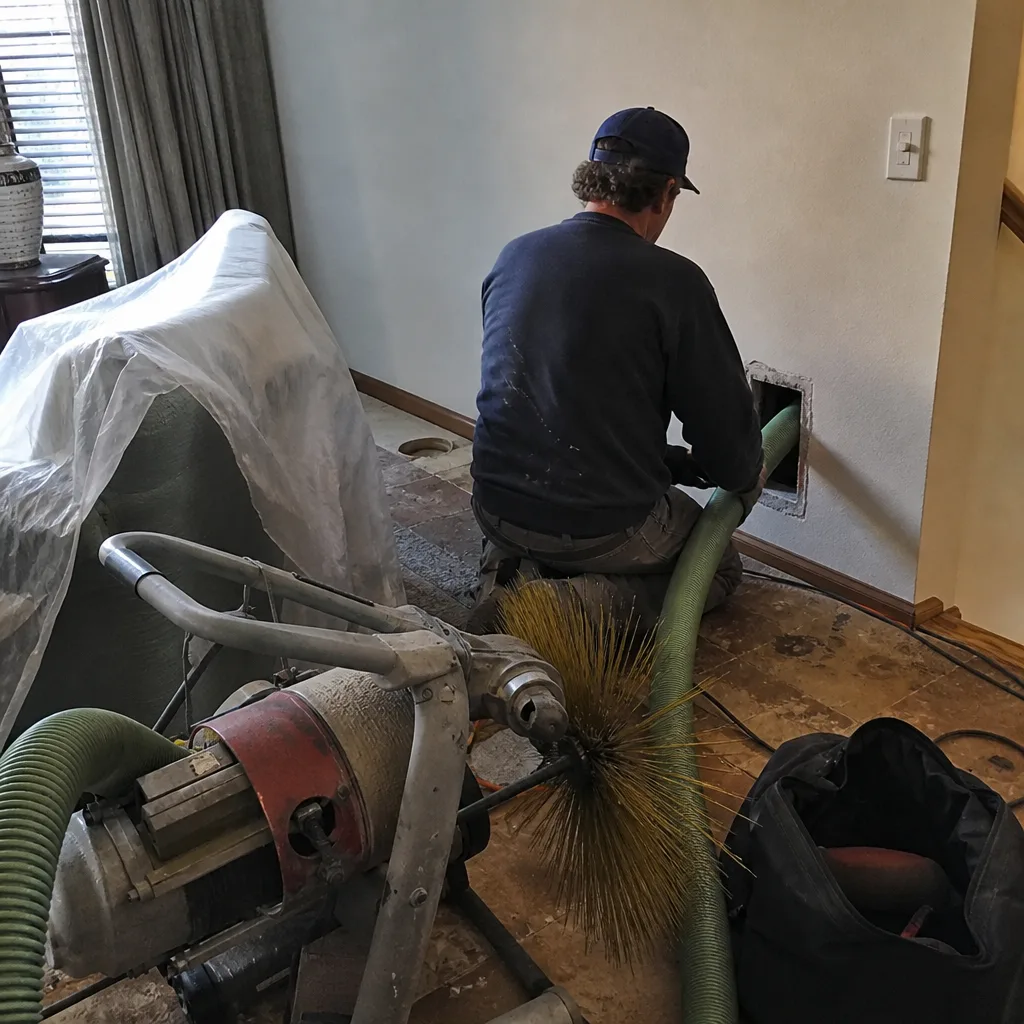
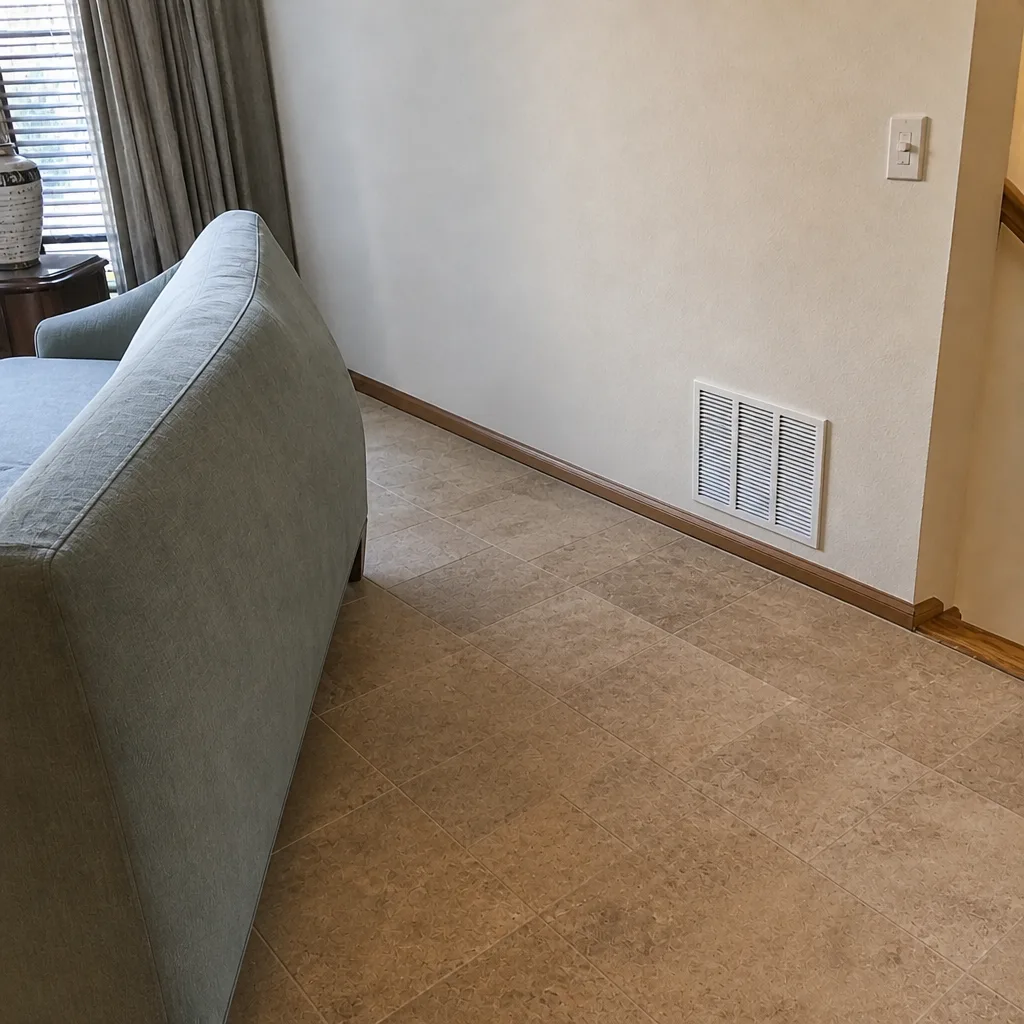
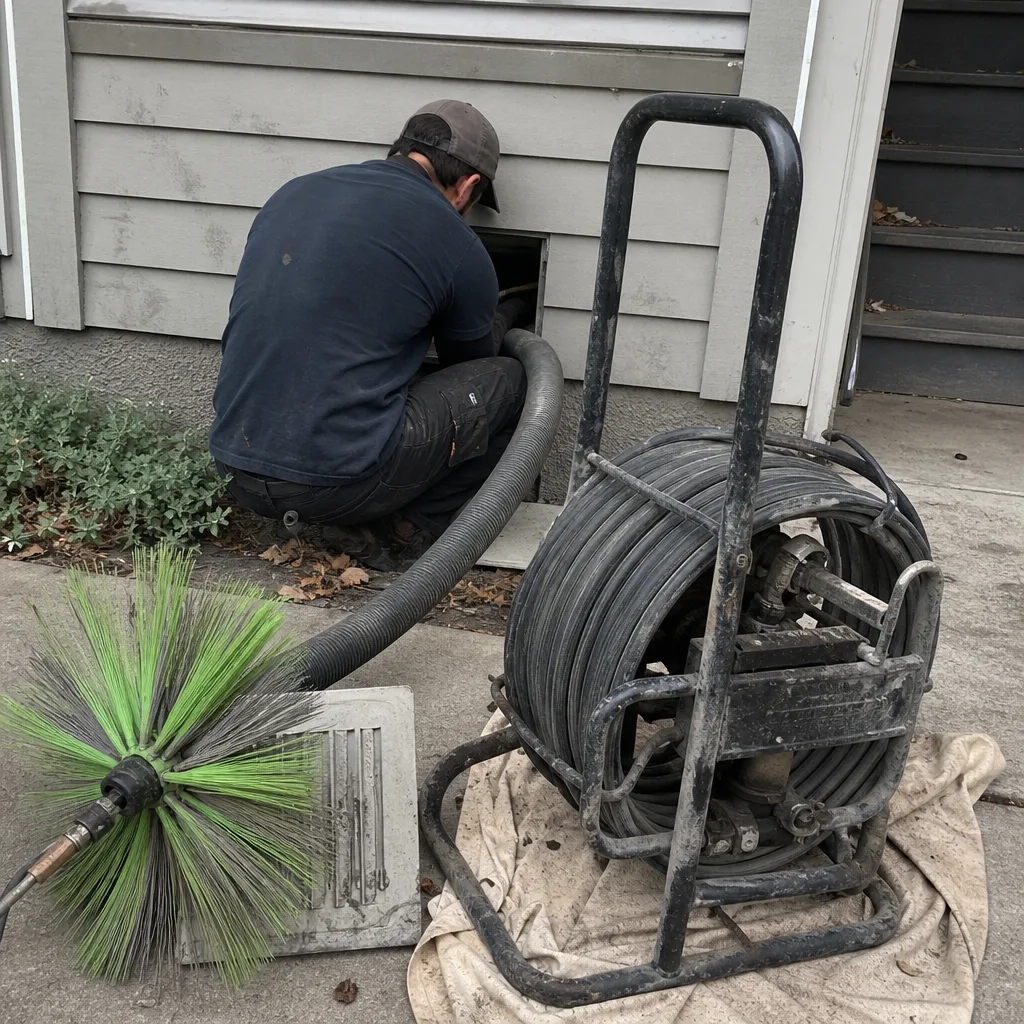
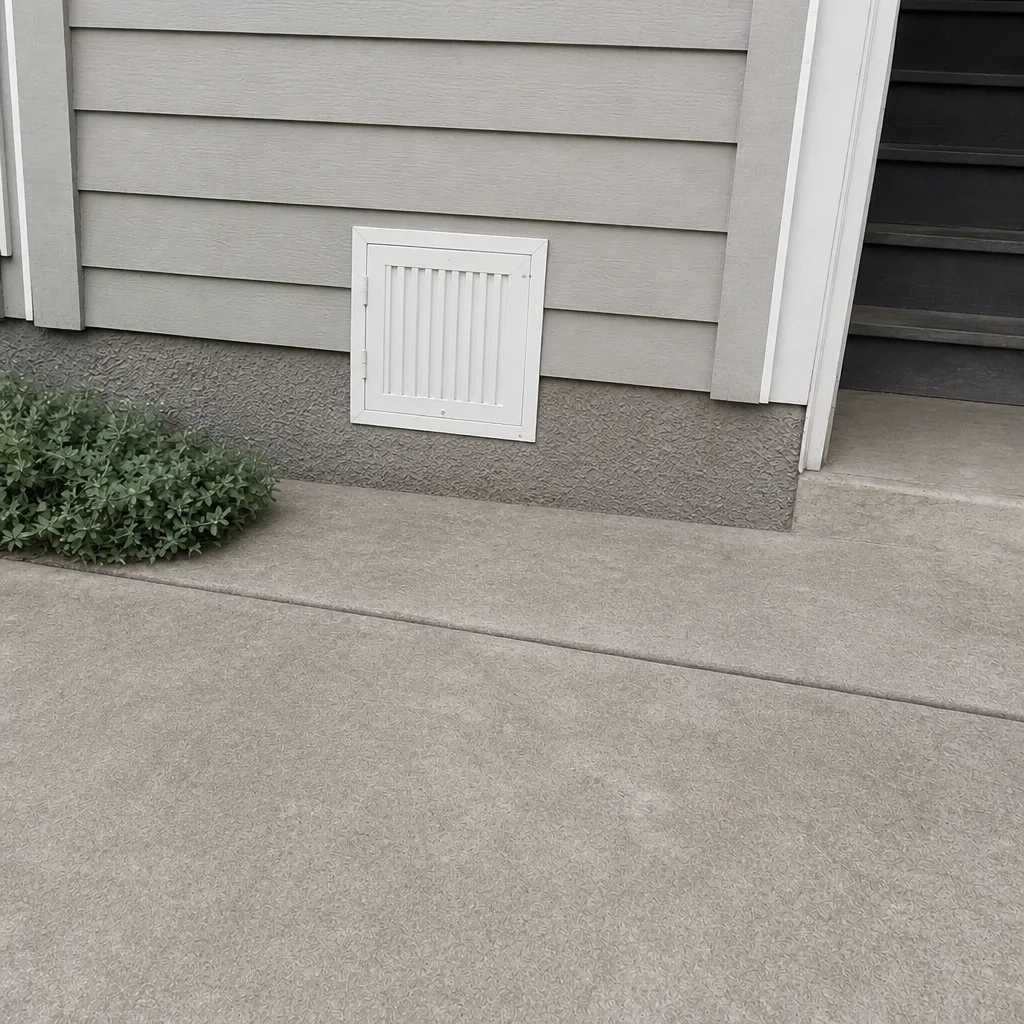
Whole-system duct and dryer vent check with before-and-after photos - you see exactly what came out of your vents
That "$99 whole-house special" is a bait ad - the real number appears once they are in your hallway, or the "clean" is a shop-vac at the register. We photograph the inside of your ducts before and after instead.
DIY vs Professional Air Duct Cleaning: The University Park Homeowner’s Decision Guide
Most people who look into duct cleaning picture a long hose and maybe a big vacuum. They want to know whether the whole thing is something a capable homeowner can handle with a shop vac and a Saturday. Here’s the part that surprises them: pulling dust out of a register is easy, and it’s also close to irrelevant. The contamination that drives air quality complaints sits far down the trunk lines and branch runs, well past where any consumer tool can deliver real suction. This guide explains why that gap exists, what you can genuinely do yourself, and the specific situations where a do-it-yourself attempt makes the problem worse instead of better. If you live in University Park, the housing stock and dry climate add a couple of wrinkles worth knowing about.
Quick Answer
DIY air duct cleaning cannot match source-removal cleaning because consumer vacuums and brushes can’t generate the sustained negative pressure that lifts settled debris from the full length of the system. Homeowners can reasonably handle register cleaning, filter changes, and light dryer vent upkeep, but a proper whole-system job needs professional equipment, and certain situations such as confirmed mold, rodent intrusion, or post-renovation debris require professional work. If your goal is a healthy air handler and cleaner supply air, hire a professional for the full run; if your goal is tidiness, you can absolutely do the small stuff yourself.
Styles & brands we work with
- Whole-home duct cleaning
- Dryer vent cleaning
- Camera inspection
- Sanitizing & deodorizing
Table of Contents
- Why Duct Cleaning Is Really a Physics Problem
- What Homeowners Can Legitimately Do Themselves
- When DIY Makes Contamination Worse
- What Professional Equipment Actually Does Differently
- The Cost-Benefit Math of Partial DIY
- When a Professional Job Is Non-Negotiable
- University Park Climate, Housing, and Duct Reality
- A Realistic Step-by-Step for Either Path
Why Duct Cleaning Is Really a Physics Problem
A homeowner with a shop vac and a dryer vent brush can clean the first 18 inches of a supply duct. In many homes, that’s exactly what they do, and it feels productive because the register looks better and a cloud of dust comes out. The problem is that the contamination responsible for most indoor air quality complaints typically lives 4 to 12 feet in, deep along the branch run and inside the main trunk. Standard consumer tools don’t reach it, and even if they did, they wouldn’t have the suction to lift it and hold it inside the vacuum.
Effective duct cleaning depends on sustained negative pressure. That means the whole system is held under a continuous vacuum while the debris is being agitated. Professional cleaning equipment is built to hold that pressure or better across the entire duct volume while a rotary brush or air whip works each run. That pressure differential is what keeps dislodged material moving toward the collection unit instead of escaping into the hallway.
Consumer vacuums generate nowhere near that. They also stop mattering the moment the hose leaves the register, because there’s no seal and no sustained vacuum holding the rest of the system.
The practical takeaway: duct cleaning is less about scrubbing and more about containment. When you understand that, the DIY-versus-pro question mostly answers itself for anything beyond the first foot of duct. It also tells you why a cheap coupon job looks nothing like a proper one – if the price reflects a surface touch and a big vacuum, that’s roughly what you’re paying for.
What Homeowners Can Legitimately Do Themselves
There’s real, useful home maintenance in the duct and ventilation world, and there’s no reason to pay someone to do it. These tasks genuinely help air quality and system efficiency:
- Change the filter on schedule. A clogged filter chokes the air handler and pushes dust back through the system. This is the single highest-impact thing most homeowners can do.
- Clean the supply and return registers and grilles. Wipe them down and vacuum the face; you’ll be amazed how much visible dust they hold.
- Vacuum the immediate duct opening. The first inch or two at each register is reachable and worth cleaning, even if it doesn’t touch the deeper run.
- Keep the return path clear. Blocked returns starve the system and stir up dust in living spaces, so furniture placement matters more than people realize.
- Handle basic dryer vent cleaning upkeep. Clearing the lint trap and the short run behind the dryer reduces a real fire hazard. Anything beyond the short run behind the appliance is a different story.
- Watch for obvious signs. Streaks around a register, musty smells, or visible dust plumes when the system starts are all worth noting – they’re signals, not chores.
None of this replaces a professional job. All of it helps you get more out of one. Registration is honest: in our experience, the homeowners who do this small maintenance consistently tend to go longer between professional cleanings because their systems stay cleaner to begin with.
When DIY Makes Contamination Worse
This is the part people don’t expect. A well-meaning DIY attempt can genuinely make a contaminated system worse, and it usually happens in three ways.
Agitating microbial growth without capture
If there’s mold or heavy biological growth inside a duct, brushing it loose without real vacuum capture just releases spores into the living space. That’s worse than leaving it alone. A professional job with Abatement Technologies filtration running alongside the cleaning captures the spores as they’re disturbed.
Dislodging debris into living spaces
Loose construction dust, sheetrock debris, or heavy accumulations get pushed into the room when agitation happens without a seal. In homes with post-renovation dust still sitting in the system, a shop vac can turn a quiet contamination problem into a visible one.
Disturbing duct liner
Many ducts are lined with fiberglass or coated with a bonded material. An aggressive consumer brush can tear that liner or break the coating, which creates a new dust trap and a new problem to fix. Professional rotary equipment uses controlled contact and adjustable settings for exactly this reason; Rotobrush contact-cleaning systems are built with that control in mind, which is why we use them.
So the honest answer isn’t “never touch your ducts.” It’s “don’t agitate what you can’t capture.” If you’re dealing with suspicious growth, rodent activity, or heavy debris from recent work, stopping and calling someone is the safer move. That holds for a routine maintenance decision and for a health question about someone in the home.
What Professional Equipment Actually Does Differently
A proper duct cleaning isn’t just “a bigger vacuum.” It’s a system. Here’s the difference that matters in practice:
- Negative pressure source removal. A high-volume collection unit pulls and holds vacuum across the whole system while the ducts are worked, so debris travels toward the collection point instead of into the room.
- Contact cleaning with rotary tools. Rotary brush systems like those from Rotobrush reach the interior surfaces of branch runs and main trunks, not just the openings. Nikro professional-grade equipment covers the pressure and control side of the same job.
- HEPA filtration on the exhaust. Abatement Technologies equipment is designed for serious contamination scenarios – post-renovation debris, mold-adjacent situations, remediation-level air quality concerns. That’s the tier of gear most residential duct cleaners simply don’t carry.
- Sealing and sanitizing as part of the run. Clean ducts are only half the job. Proper work includes sealing leaks and applying a protective treatment – Guardiansman-brand products are what we use for lasting results beyond the cleaning visit.
- IAQ products that fit the home. When filtration or purification makes sense, Honeywell and Aprilaire systems give a homeowner real options, integrated with the system instead of bolted on.
Running this kind of gear is a physical, careful job. Whole-home systems, remote reaches, and aggressive dust loadings all need patience and control. That’s why a professional air duct cleaning visit looks different from what a homeowner can do with a shop vac, no matter how motivated that homeowner is.
The Cost-Benefit Math of Partial DIY
Here’s the honest math. DIY maintenance saves you the cost of hired help for the small tasks, and those tasks genuinely matter. But duct cleaning pricing is per job by written estimate, and the amount you’d “save” by trying to clean the full system yourself isn’t really a saving – you can’t do what a professional job does, so the comparison doesn’t work like a typical DIY project.
Think of it this way:
- Registration and filter upkeep: Free to do yourself, adds real value, and makes every professional visit more effective. Do it.
- Short dryer vent runs: Worth handling yourself between service visits. Longer runs, hidden sections, and roof or wall terminations are a different job.
- Light surface cleaning at registers: Reasonable occasional upkeep. Doesn’t touch the deeper contamination.
- The full duct system: Needs equipment you can’t rent and a technician who can read the system. No viable DIY path.
Where DIY doesn’t help is in the frequency question. Many homes can go years between full cleanings if regular filter and register upkeep is in place. Others need more frequent attention because of pets, allergies, renovations, or an older system with dirtier runs. The right cadence depends on your setup, and it’s a conversation, not a formula.
We won’t tell you a duct cleaning is always worth it. We will tell you that if your system is showing the signs of needing one, postponing it while doing surface upkeep doesn’t buy you anything.
When a Professional Job Is Non-Negotiable
Some situations simply can’t be handled any other way. These are the cases where a proper professional job isn’t upselling – it’s the only honest answer.
Post-renovation debris
Drywall dust, sawdust, insulation fibers, and construction grit settle through the whole system during a remodel. You can’t clean that with a shop vac, and you shouldn’t try, because a partial attempt will send it into the air where it settles again and keeps irritating the household. This is exactly the scenario Abatement Technologies gear exists for.
Confirmed or suspected mold
Visible growth in or near a duct, or a persistent musty smell, needs biological-safe cleaning with proper containment. Disturbing mold without capture is a real health risk, especially for anyone with asthma or allergies.
Rodent infiltration
Mice and other pests leave droppings, nesting material, and contamination inside ducts that requires removal with proper PPE and HEPA filtration. This is not a homeowner job.
New-home HVAC commissioning
New construction and major HVAC replacement leave construction dust in the new system. A professional cleaning before occupancy is the standard step, and it protects both the investment and the occupants.
Any job where you’ve already tried DIY and it didn’t work
If you’ve cleaned the visible parts and the smell or dust persists, stop. Something deeper is going on, and a professional inspection is the fastest way to find it.
University Park Climate, Housing, and Duct Reality
University Park’s dry climate actually changes the dust dynamics a little. Low humidity means less condensation inside ducts, so biological growth is less common than it would be in a humid climate – but the dust dries out and goes airborne very easily. Every time the system cycles, fine dust that would stick in a wetter climate just floats. Homes here often look cleaner than their duct systems actually are, because the dust is circulating in the air rather than sitting on surfaces.
The other local wrinkle is housing age and construction style. University Park and the surrounding neighborhoods include a mix of older homes, mid-century builds, and newer construction – and each brings different duct issues:
- Older homes: Original duct runs, older fiberglass liner, and decades of accumulated dust load the system faster than the homeowners realize.
- Mid-century and renovation-heavy homes: Remodels often leave construction debris behind in the ducts that no amount of register vacuuming will clear.
- Newer construction: Tighter envelopes, but construction dust from the build that can persist for years if it wasn’t cleaned before occupancy.
University Park homes also tend to run their HVAC systems longer during weather swings, which moves more air through more of the day and keeps dust circulating. That makes regular filter changes and periodic professional cleaning more impactful here than in a milder climate. In our experience, homeowners in University Park who stay on top of filter changes and register upkeep tend to go longer between full cleanings, while those who let it slide find the dust problem compounding.
A Realistic Step-by-Step for Either Path
Whichever path you choose, the order matters. Here’s how to think about it as a sequence.
If you’re doing DIY maintenance yourself
- Inspect first. Walk the house and note dust streaks, smells, and any register that looks off. Photograph anything that seems unusual.
- Change the filter. Match the existing size and rating; don’t oversize the MERV rating unless the system is rated for it.
- Vacuum registers and grilles. Face and immediate opening only. Don’t push a brush deeper than the reach you can control.
- Clear the short dryer vent run. Disconnect behind the dryer if it’s safe to access, clean the short run, then reconnect and confirm the flap opens freely on the exterior.
- Stop if you see anything concerning. Mold, rodent signs, visible debris clouds, or heavy dust plumes are all signals to call.
- Log what you did. A simple note of dates and tasks helps you build a realistic cleaning cadence.
If you’re hiring the job
- Define the scope up front. Ask what’s included: collection unit, rotary contact cleaning, sealing, sanitizing, and dryer vent.
- Confirm the equipment. Rotobrush, Nikro, and Abatement Technologies are the tiers worth asking about.
- Ask about before-and-after photos. A proper job can show you the interior condition of your own ducts.
- Get a written estimate. The price should be per system, in writing, agreed before the work starts.
- Plan the visit. Duct cleaning is a scheduled job that takes real time, so block out a window rather than expecting a drop-in.
You can pair the two paths. Do the small upkeep between visits, and schedule the deeper work when the system signals it’s due. That’s what most of the homeowners we speak with in University Park end up doing.
Common Mistakes to Avoid
- Thinking register cleaning equals duct cleaning. The register is the tip; the contamination lives 4 to 12 feet deeper. If you’ve cleaned the visible parts and the dust persists, the system isn’t clean.
- Oversizing the MERV rating. A filter that’s too restrictive for the air handler chokes the system and causes more problems than it solves. Match the spec.
- Pushing a brush too deep. Aggressive brushing can tear fiberglass liner or break coating, both of which create new dust traps. Control over reach matters more than scraping force.
- Running a shop vac near mold or rodent contamination. Disturbing biological contamination without HEPA capture sends it into the air. This is the highest-risk DIY mistake.
- Ignoring the dryer vent. A dryer that’s slow to dry clothes and a warm vent are both warning signs. In a dry climate like University Park, lint can dry out and become more flammable, not less.
- Booking on a coupon and expecting the same job. If the price is much lower than the job warrants, the scope usually shrinks to match. Ask what’s included.
- Skipping the professional cleaning after a renovation. Construction dust stays in the ducts until it’s deliberately removed, and it will keep circulating for years otherwise.
See the difference
 Before
 After
 Before
 After
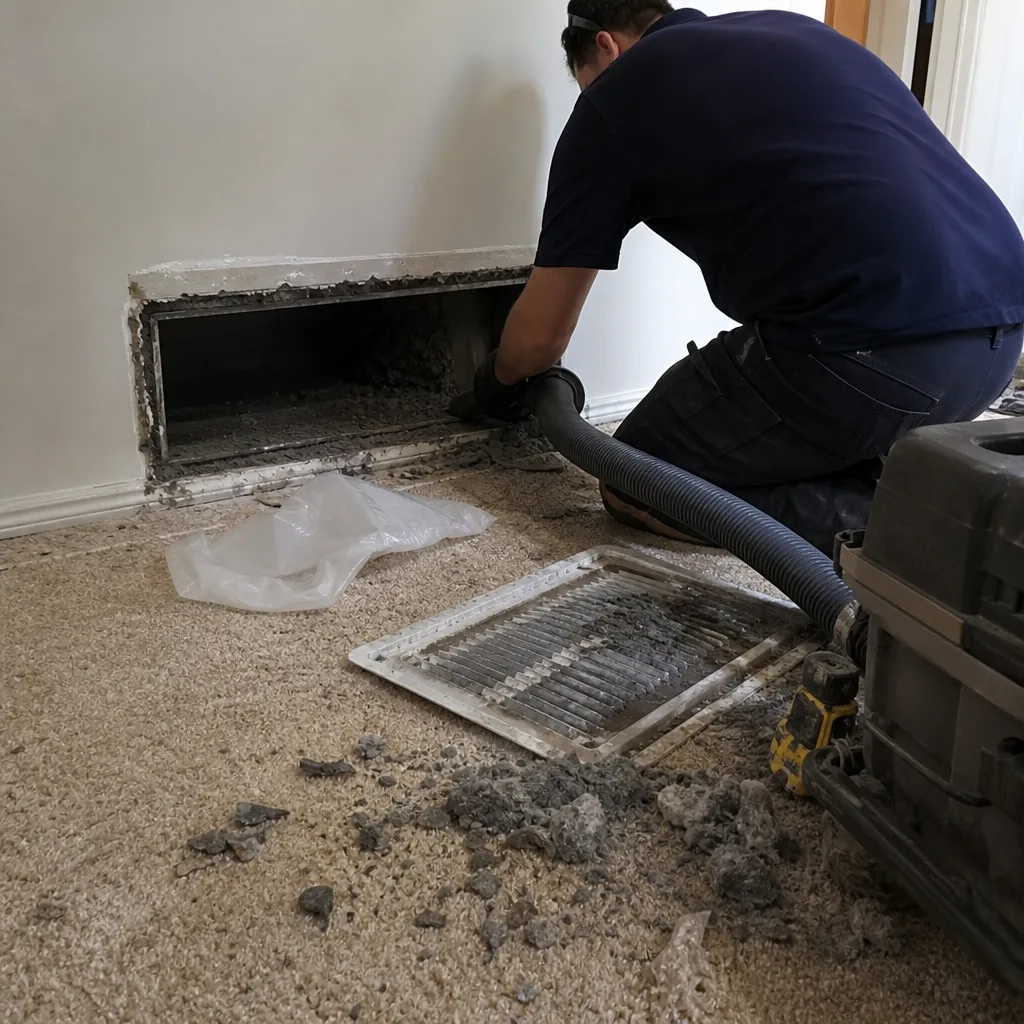 Before
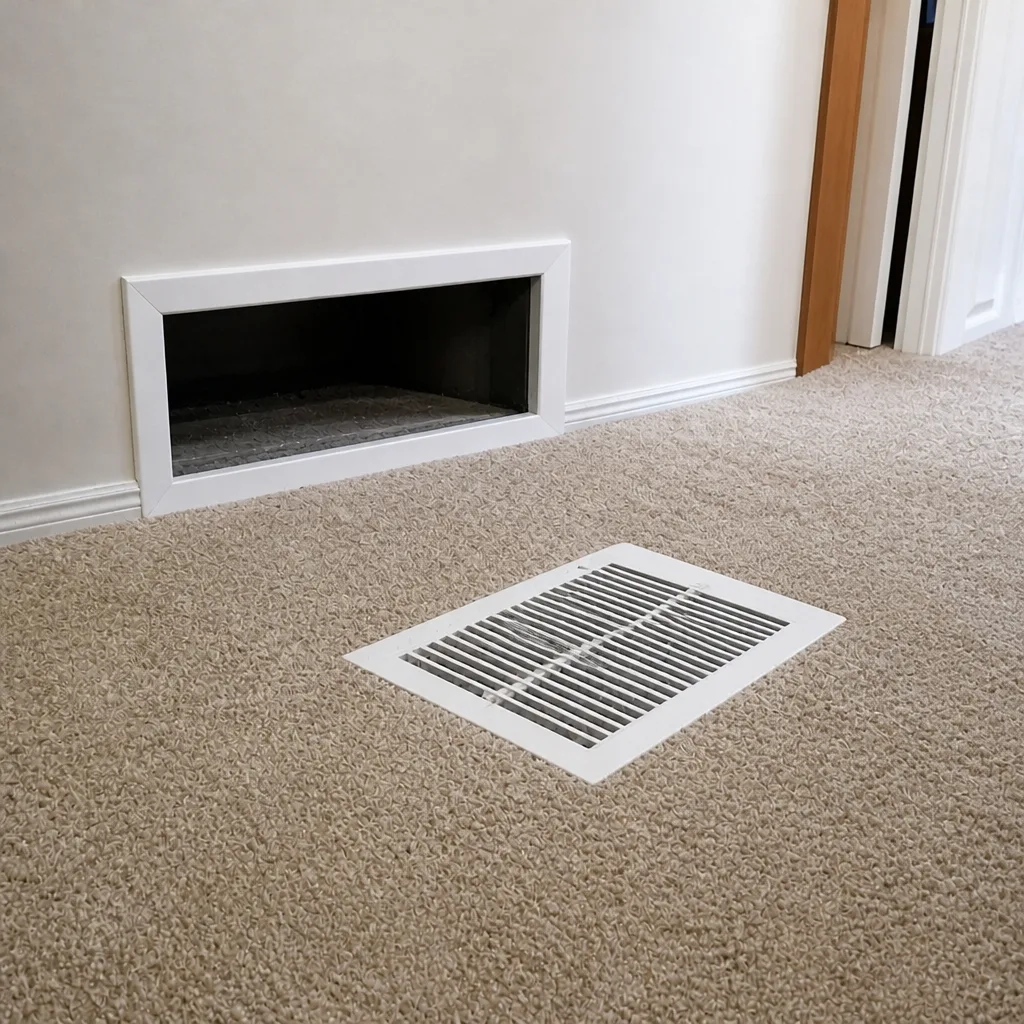 After
When to Call a Professional
Call a professional if you’ve got post-renovation dust in the system, confirmed or suspected mold, rodent infiltration, or a new HVAC system that hasn’t been cleaned before occupancy. Also call if your register-level attempts have left the smell, dust, or symptoms unchanged – that’s the point at which more DIY is just more disturbance. If you’re scheduling a full-system job, University Park Air Duct Cleaning Pros offers free estimates in University Park – call (855) 677-5998. We can walk you through the scope, equipment, and what a typical visit covers so you know exactly what you’re agreeing to. Our technicians have up to 11 years of experience with the equipment that does the actual work, and we handle the whole lifecycle – cleaning, sealing, and sanitizing – so you’re not coordinating multiple contractors.
Frequently Asked Questions
You can clean the register face and the first inch or two of the visible duct, and that’s about it. The contamination that affects indoor air quality typically lives 4 to 12 feet into the run, beyond the reach and suction of a consumer vacuum. For the full system, you need professional source-removal equipment.
Pricing is per job by written estimate, because the cost depends on the size of the system, the level of contamination, and whether sealing or sanitizing is included. We don’t quote per-register prices because that’s how the cheap-coupon jobs shrink in scope once the technician is on site. Call (855) 677-5998 for a free estimate – we’ll quote the job, not a teaser figure.
A very low quote usually reflects a smaller job: a surface vacuum of the accessible parts without proper negative pressure, rotary contact cleaning, sealing, or sanitizing. That’s not a fair comparison to a full-system job. The written estimate should spell out exactly what’s included, and a professional should be willing to explain their equipment and process.
Ask for before-and-after photos of your own ducts. A professional job can show you what the interior of your system looked like before cleaning and after, and can explain what the collection unit and equipment did. If a contractor can’t show you any evidence of the work, that’s worth asking about before you pay.
There’s no single number that fits every home. Many systems can go years between full cleanings if filter changes and register upkeep are consistent, and others need more frequent attention because of pets, allergies, renovations, or older duct runs. Dry conditions in University Park mean dust stays airborne longer but biological growth is less common, so the timing is about dust and debris load more than humidity. Call (855) 677-5998 and we’ll help you think through your specific setup.
The short run directly behind the dryer is manageable yourself if it’s cleanly accessible. Longer runs, hidden sections, and wall or roof terminations are a different job and worth professional attention, because a clogged dryer vent is a documented fire hazard. Treat it as a safety check, not a convenience task. If you’re not sure whether your run is clear all the way through, call (855) 677-5998 for an estimate – this is one we’d rather see looked at than guessed at.
The Bottom Line
DIY air duct maintenance has a real place: filters, registers, short dryer vent runs, and keeping the returns clear. Do all of it, and do it consistently – it makes every professional job more effective and helps systems stay cleaner longer. What DIY can’t do is source-removal cleaning of the full duct system, because that requires sustained negative pressure and controlled rotary contact cleaning that consumer tools don’t deliver. If your home involves post-renovation dust, mold, rodent activity, or a new system, that’s a professional job, not a shop vac job. And if your register-level attempts haven’t changed anything, stop disturbing the system and get it looked at.
If you’re ready to have the full picture looked at, University Park Air Duct Cleaning Pros covers the whole lifecycle in one visit – air duct cleaning, HVAC cleaning, duct repair and sealing, air quality and sanitizing, and dedicated dryer vent cleaning. We use professional-grade equipment from Rotobrush, Nikro, and Abatement Technologies, and work within the Honeywell, Aprilaire, and Guardsman product ecosystems where filtration, purification, or protective treatments make sense for your home. One flat price per system agreed before work starts, before-and-after photos of your own ducts, and a satisfaction guarantee. The local pro we connect you with is licensed and insured as the state requires.
Call University Park Air Duct Cleaning Pros at (855) 677-5998 for a free estimate. We answer 24/7. Fast dispatch from 7am to 7pm, Sunday through Friday.
Written by the team at University Park Air Duct Cleaning Pros.