
Last updated November 24, 2026
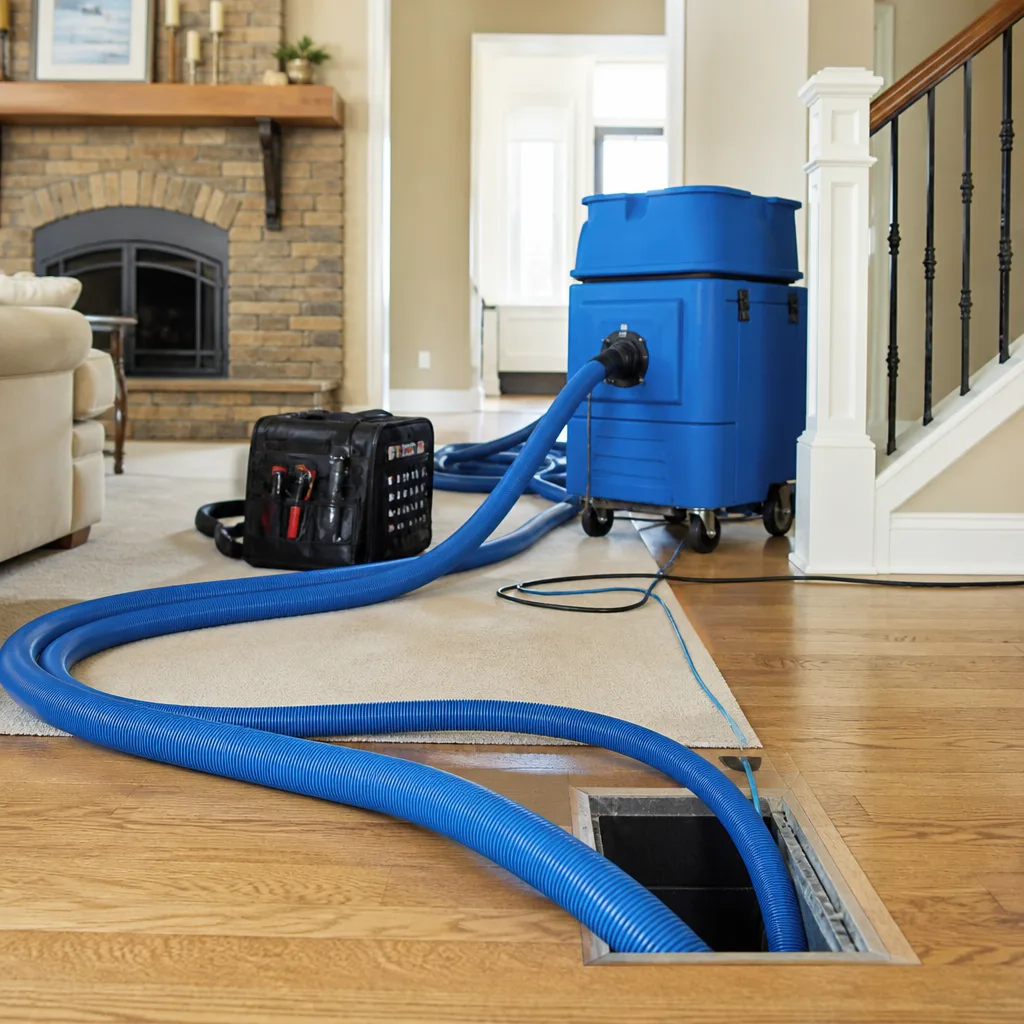 Whole-home duct cleaning
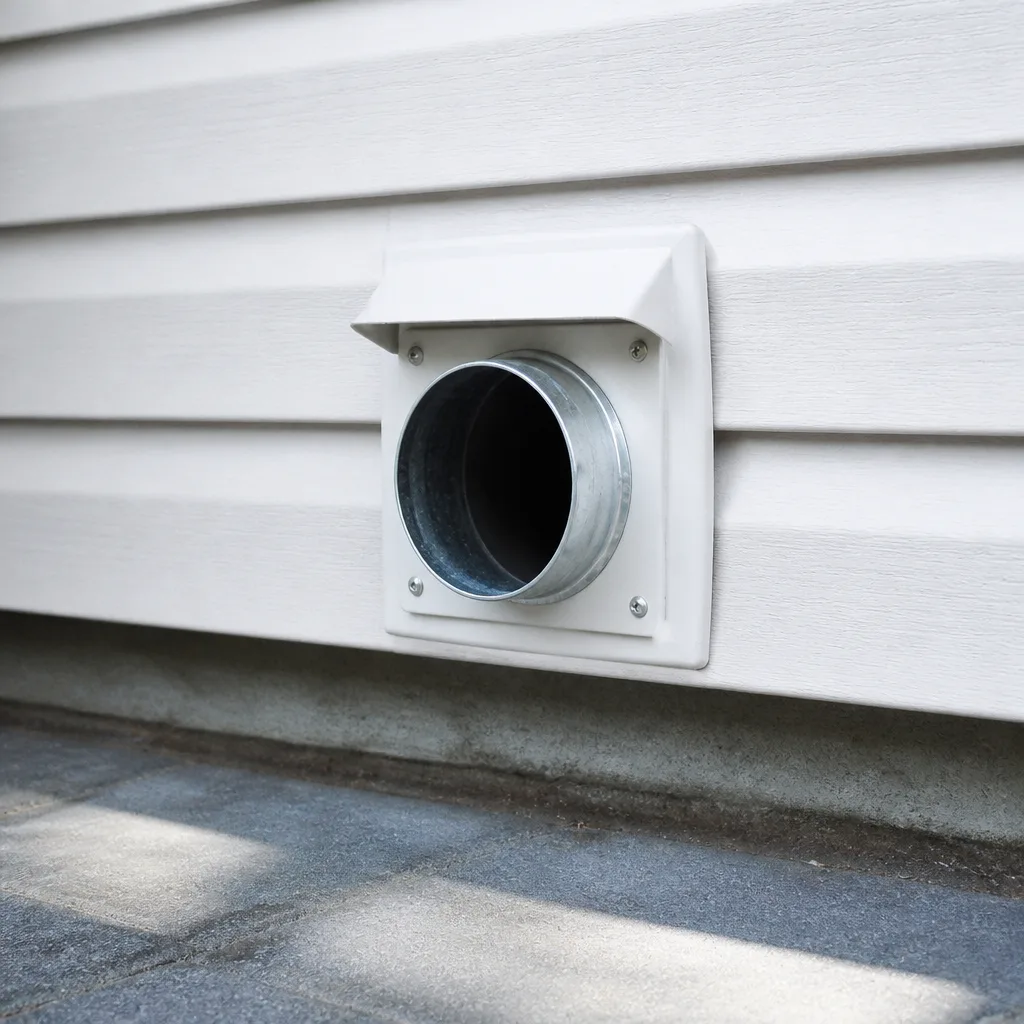 Dryer vent cleaning
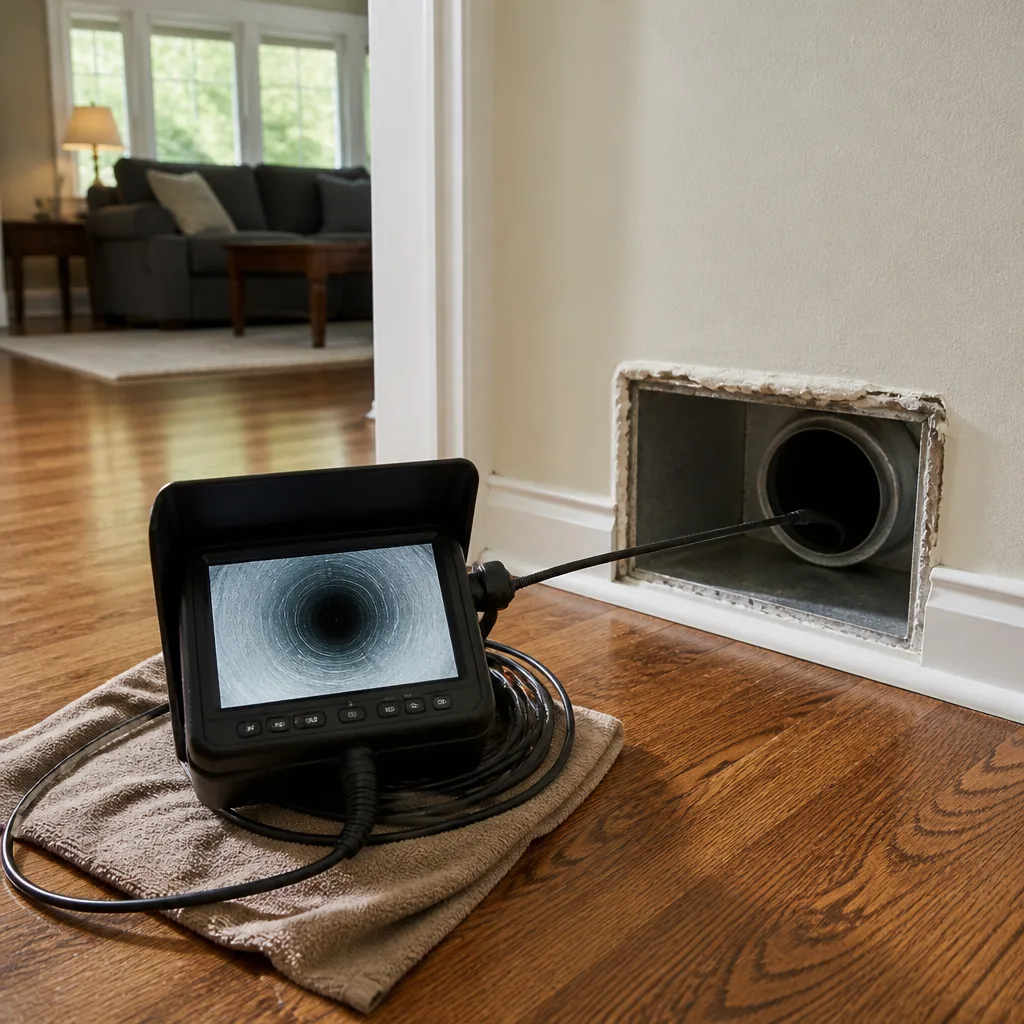 Camera inspection
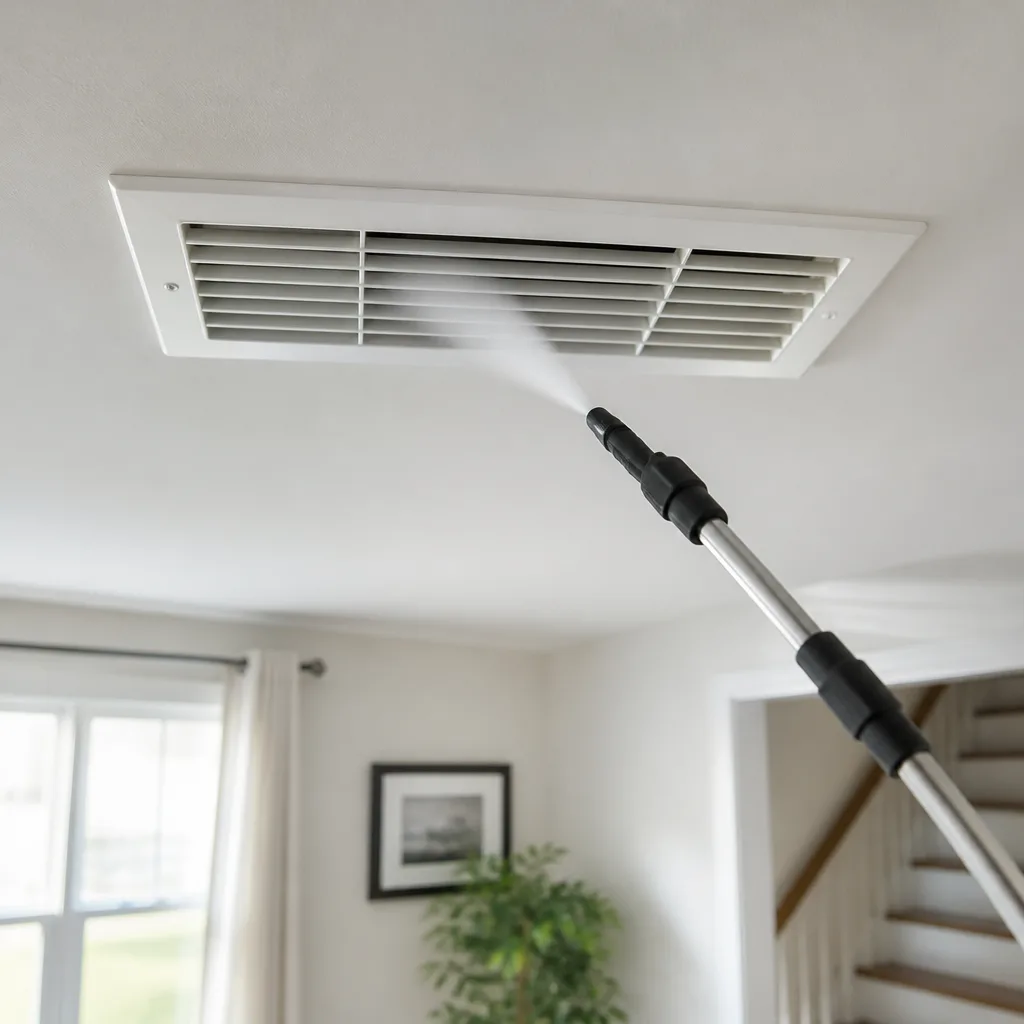 Sanitizing & deodorizing
Whole-system duct and dryer vent check with before-and-after photos - you see exactly what came out of your vents
That "$99 whole-house special" is a bait ad - the real number appears once they are in your hallway, or the "clean" is a shop-vac at the register. We photograph the inside of your ducts before and after instead.
Air Duct Cleaning Permits, Codes & Inspections in University Park, CO: What You Need to Know
Cleaning your ducts doesn’t require a permit. Changing your ducts might. That split is the single most overlooked fact in residential air quality work across the Denver metro, and it’s the one that turns up in a title search years later. In University Park, where a lot of housing stock predates modern mechanical code, that gap between “cleaning” and “modifying” is easy to cross without noticing. This guide walks through where the line sits, which upgrades pull a permit, how to confirm a contractor is pulling one, and what to keep in your records when a permitted job is finished. If you’re planning duct work and want to know what the code jurisdiction expects before anyone shows up, read on.
Quick Answer
Air duct cleaning itself is a maintenance service and generally does not require a permit in University Park or anywhere in the Denver metro. Mechanical modifications do: replacing a duct run, installing a UV-C air treatment system, adding an Aeroseal-style interior duct sealing process, or altering the air handler. Those fall under Colorado’s mechanical code as enforced by the local building department, and a licensed contractor should pull the permit before the work starts. Confirm the jurisdiction with your city or county building department before authorizing the job.
Styles & brands we work with
- Whole-home duct cleaning
- Dryer vent cleaning
- Camera inspection
- Sanitizing & deodorizing
Table of Contents
- Cleaning vs. Modification: Where the Permit Line Actually Sits
- What Colorado’s Mechanical Code Says About Duct Work
- Which IAQ Add-Ons Trigger a Permit in University Park
- How to Verify a Contractor Is Pulling Permits
- What Happens at Resale When Duct Modifications Are Unpermitted
- The Inspection Process for Permitted Duct Work
- Records You Should Keep After the Job
- Common Mistakes to Avoid
Cleaning vs. Modification: Where the Permit Line Actually Sits
The simplest way to think about it: cleaning removes material from the system, modification changes the system. Removing dust, debris, and contamination from ductwork is routine maintenance, the same category as changing a filter or wiping down a register. Nobody from the building department inspects it, and no permit application is filed. Modification is different. It changes the physical layout, the airflow characteristics, or the equipment connected to the system, and that’s where code jurisdiction begins.
Here’s how the two categories break down in practice:
- No permit typically required: source removal cleaning of supply and return ducts, register and grille cleaning, HVAC coil and blower cleaning, dryer vent cleaning, air quality sanitizing with a fogging or electrostatic treatment, filter changes.
- Permit typically required: replacing or rerouting a rigid or flex duct section, adding a new supply or return branch, altering the air handler, installing a UV-C or PCO air treatment system wired into the HVAC electrical supply, applying an interior duct sealing process that deposits a physical sealant film on the duct walls, enclosing ducts in new framing.
In University Park specifically, the housing mix matters here. The neighborhood has a large share of mid-century homes, and a lot of them have had duct systems altered over the years by previous owners. When we’re called for air duct cleaning and open up a return plenum, we sometimes find the previous modification was never permitted. That’s not a reason to panic, but it is a reason to find out before you sell.
One useful rule of thumb: anything that requires turning off a breaker, cutting into framing, or connecting new line voltage to the HVAC system should be a permit conversation. A cleaning visit never touches any of those.
What Colorado’s Mechanical Code Says About Duct Work
Colorado adopts the International Mechanical Code as the basis for its statewide mechanical requirements, with local amendments and local enforcement. That means the code language is standardized, but the permit rules, fee schedules, and inspection timelines are enforced by whichever building department has jurisdiction over your address. In University Park that’s typically the City and County of Denver, though properties near the boundaries can fall into adjacent jurisdictions.
The specific code provisions that touch duct work concern structural integrity, fire-blocking, clearances, and how duct systems interface with combustion appliances and electrical equipment. Cleaning never triggers those. Here’s what does:
- Duct material changes. Swapping rigid galvanized for flex, or the reverse, changes the system’s fire and pressure characteristics and is a modification.
- Clearance to combustibles. New duct runs near a furnace or water heater flue have to maintain code clearances. That’s an inspection item.
- Air handler modifications. Resizing a plenum, changing the blower, or adding a bypass humidifier that connects to the duct system requires a mechanical permit.
- Sealing systems that alter duct interior surfaces. Aeroseal and similar interior sealant processes deposit material inside the duct, which the local building department typically treats as a mechanical modification.
- Electrical connections. A UV-C air purifier wired into the HVAC system needs both a mechanical and often an electrical permit.
We’re not the permit office and we don’t interpret code for you. What we can tell you from doing this work is that the boundary is real, it’s enforced, and it’s the contractor’s job to know which side of it their scope of work falls on. When we quote HVAC cleaning, the scope is cleaning, and no permit is involved. When a job turns into duct replacement, that’s a different conversation.
Which IAQ Add-Ons Trigger a Permit in University Park
Indoor air quality products are where the permit question actually bites for most University Park homeowners. A cleaning visit is straightforward; the moment you add a UV system or a duct sealing process, the rules change. Here’s the practical breakdown:
- UV-C air treatment systems. Installing one requires cutting into the duct or plenum, mounting the lamp housing, and wiring the lamp ballast into the HVAC electrical circuit. In most Denver-metro jurisdictions that’s a mechanical permit plus an electrical permit. Verifying the installation is done correctly matters more than the paperwork, because a badly wired UV system can create a real electrical hazard inside the air handler.
- Interior duct sealing (Aeroseal and similar). These processes pump an aerosolized sealant into the duct system and deposit it on the interior walls. Because it changes the physical characteristics of the duct, most building departments treat it as a mechanical modification. Expect a permit.
- Air handler and plenum modifications. Adding a media filter cabinet in place of a standard filter slot, installing a bypass humidifier, or enlarging a return plenum all fall under mechanical code.
- Whole-home filtration upgrades. A drop-in higher-MERV filter in an existing slot is not a modification. A new Honeywell or Aprilaire media cabinet bolted to the air handler is.
- Sanitizing treatments. Fogging, electrostatic spraying, and Guardsman protective treatments applied after cleaning are part of the cleaning scope. They don’t change the system and don’t require a permit.
One clarification worth stating plainly: when we refer to these products, we mean the systems themselves and the ecosystem of parts that go with them. We work within the Honeywell and Aprilaire lines and with Abatement Technologies filtration equipment, and our technicians use Rotobrush and Nikro contact-cleaning tools on every job. Those brand names describe the equipment, not a licensing relationship. The permit question is still the permit question, whether the product comes from Honeywell or anyone else.
If you’re considering a UV system, ask three questions before signing: which permits will be pulled, who’s pulling them, and who’s handling the electrical inspection. A contractor who can’t answer those clearly is a contractor who doesn’t pull permits.
How to Verify a Contractor Is Pulling Permits
Some duct contractors actively avoid pulling permits because it raises the price of the quote against competitors who skip it. That’s the plain commercial reality, and it’s the reason you should verify rather than assume. The good news: verification is easy and takes about ten minutes.
- Ask at the estimate stage. “Does this scope of work require a permit?” If the answer is an immediate “no” without any follow-up questions about the specific work, ask again. The right answer should distinguish cleaning from modification.
- Get the permit number in writing. On any job that requires a permit, request the permit number and the jurisdiction on the written estimate.
- Verify with the building department. Call the Denver building department (or the adjacent jurisdiction if that’s your address) and give them the permit number and the property address. They’ll confirm the scope of work matches what was described to you.
- Check who the contractor of record is. The permit should name the contractor performing the work. If it names the homeowner as an owner-builder, you’re carrying the liability.
- Confirm the final inspection is scheduled. A pulled permit that doesn’t get a final inspection is an open permit. On a sale, an open permit is a title company problem.
For a dryer vent cleaning job, none of this applies. Dryer vent cleaning is maintenance and doesn’t require a permit. But the vent itself, if it needs to be rerouted through a new wall penetration or replaced with a different material, may trigger one. Same distinction.
If a contractor tells you “nobody pulls permits for that,” and you’re looking at a duct replacement or a UV system install, get a second estimate. That answer is a red flag, not a courtesy.
What Happens at Resale When Duct Modifications Are Unpermitted
Unpermitted duct work is usually invisible until a buyer’s inspector goes into the attic or crawls into the basement. When it surfaces, the consequences are predictable: the buyer’s agent asks for documentation, you don’t have any, and the negotiation stalls. Depending on the jurisdiction, the buyer may require the work to be re-inspected, corrected, or removed, and the cost lands on the seller.
Here’s the pattern we’ve seen. A previous owner added a UV system or rerouted a duct run. The work was done cleanly enough that it looked fine at the time. Years later, the buyer’s inspector flags an electrical connection inside the air handler with no permit record and no final inspection. Now the seller is scrambling to find a licensed contractor willing to sign off on someone else’s work, and the local building department may require an owner-builder retroactive permit process to close it out.
That scenario is entirely avoidable. When a permitted job is done correctly, you end up with a permit record, an inspection sign-off, and a paper trail. At sale, that paper trail is worth real money because it makes the work defensible.
If you’re in a University Park home you’ve owned for a while and you’re not sure what’s been modified, it’s worth a look. During any routine cleaning visit, ask the technician to note any duct modifications they observe, whether or not they were permitted. That’s not a code inspection, but it tells you what you’re working with.
A related point on sealing. Duct sealing is one of the most valuable upgrades for a leaky system, and it’s also one of the ones most often done without a permit. It’s also one of the most frequently deflected by contractors who’d rather not be slowed down. If your ducts are leaking, get the leak fixed properly. If the fix involves an interior sealant process, get the permit. A University Park Air Duct Cleaning Pros estimate on duct repair and sealing will spell out which portion falls under permit and which doesn’t, so there’s no ambiguity later.
The Inspection Process for Permitted Duct Work
What actually happens when the inspector shows up? For a straightforward mechanical modification, the inspection is usually a single visit, and it’s short. Here’s the sequence in the natural order:
- Rough-in inspection. Before ductwork is permanently enclosed in framing or drywall, the inspector confirms material, connections, support, and clearance to combustibles.
- Electrical inspection (if applicable). For a UV system or any line-voltage connection, an electrical inspector confirms the wiring, grounding, and disconnect are correct.
- Final inspection. After the work is complete and accessible, the inspector confirms the system is installed per the approved plans and the mechanical code.
- Sign-off on the permit. The jurisdiction closes the permit. You receive a copy of the final inspection record.
For an Aeroseal-style interior sealing process, expect the inspector to verify that the register and terminal openings were protected, that the process was completed to the manufacturer’s specification, and that the system performs as designed. For a UV system, the key inspection items are electrical wiring and mounting.
One thing homeowners don’t always expect: the inspector may ask to see documentation of the installer’s license and any product certifications the manufacturer requires. That’s one more reason to keep the paperwork together with the permit.
A permitted job takes slightly longer than an unpermitted one, because you’re waiting on inspection windows. In our experience, that extra time is worth it every single time. A well-documented job protects you at resale and protects your family from shortcuts.
Records You Should Keep After the Job
What’s worth saving? Everything that creates a paper trail on the work. When you sell, when you file a claim, when the system needs service again, the records are what let a technician pick up where the last one left off.
- The written estimate and invoice, with a line-item description of the work performed.
- The permit number and jurisdiction for any permitted work.
- The final inspection sign-off from the building department.
- Manufacturer documentation for any IAQ product installed (UV system, media filter cabinet, UV lamp, etc.).
- Before-and-after photos of the duct interior (any professional-grade shop takes these; ask for them).
- The cleaning date and the equipment used (Rotobrush, Nikro, Abatement Technologies, or whatever the shop uses).
- Filter size and MERV rating, so the next change is straightforward.
- Any warranty or manufacturer registration information for installed products.
Keep the digital copies with your home records; keep a paper copy with the HVAC manual. When a buyer’s inspector asks for proof of a permitted modification, “I’ll look for it” is a bad answer, and a clean folder is a good one.
We keep service records per property in our own file as well, so if you call back for a follow-up cleaning or an air quality upgrade, we have the history in front of us. That’s a convenience, not a substitute for your own records, though. Keep your own folder.
Common Mistakes to Avoid
- Assuming a low quote means a cheap job. A quote that skips a required permit is cheaper because the contractor is passing the liability to you, not because they found some efficiency. Ask about permits on every modification quote, not just the ones that look like construction.
- Letting a contractor install a UV system without an electrical inspection. A poorly wired UV system inside an air handler is a real electrical and fire concern, not a theoretical one. Get the electrical permit pulled.
- Treating interior duct sealing as if it’s part of cleaning. Interior sealants change the physical duct, and that’s a mechanical modification. Get the permit.
- Selling a University Park home without checking the permit history. Unpermitted modifications surface at the worst possible moment. Pull the permit history on the property before listing.
- Skipping the final inspection. A permit that stays open is a liability, not a protective measure. Confirm the final inspection is scheduled and signed off.
- Assuming all duct cleaning requires a permit. The reverse mistake is just as common. Cleaning is maintenance, and no permit is required. Don’t let a contractor upsell you on a permit you don’t need.
- Not asking what equipment the shop uses. A shop that shows up with a shop vac and a hose is not doing the same job as one using Rotobrush or Nikro contact-cleaning equipment. The permit question is separate from the equipment question, but both matter.
See the difference
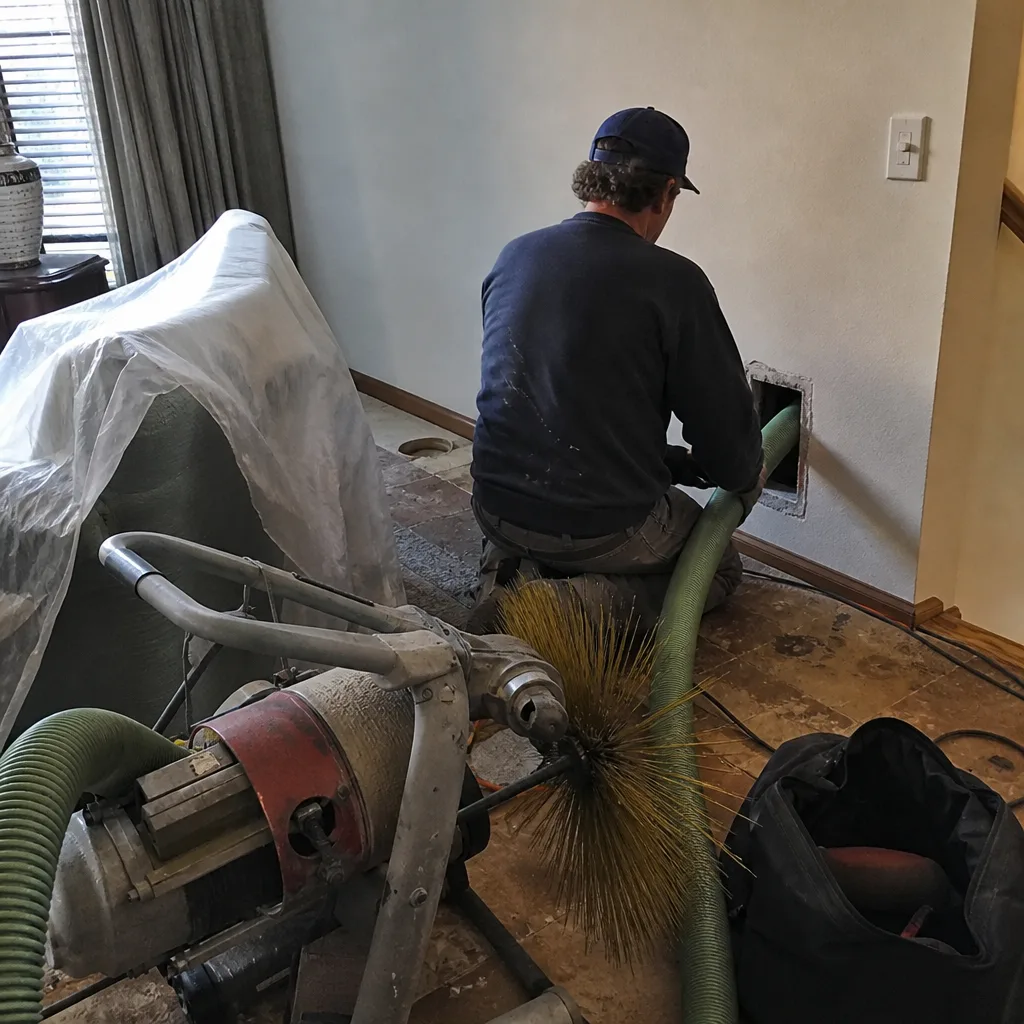 Before
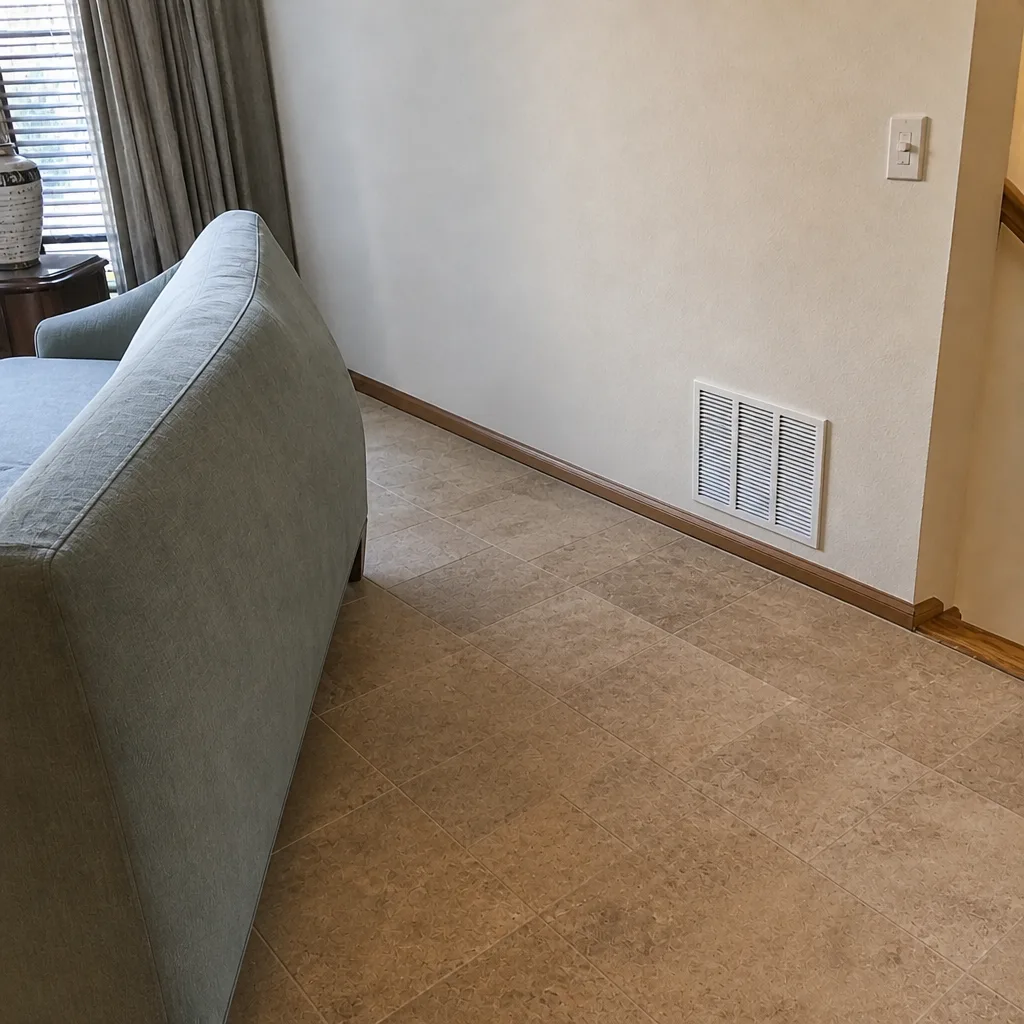 After
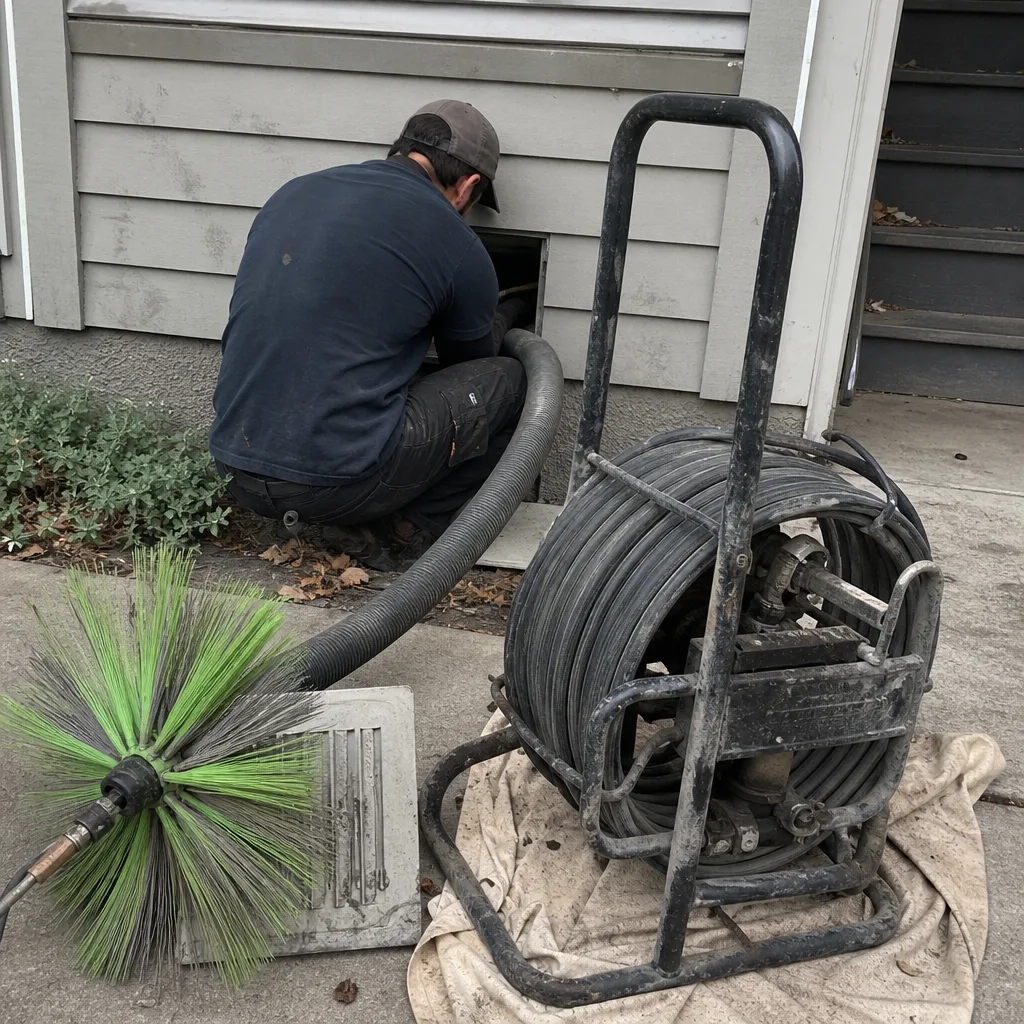 Before
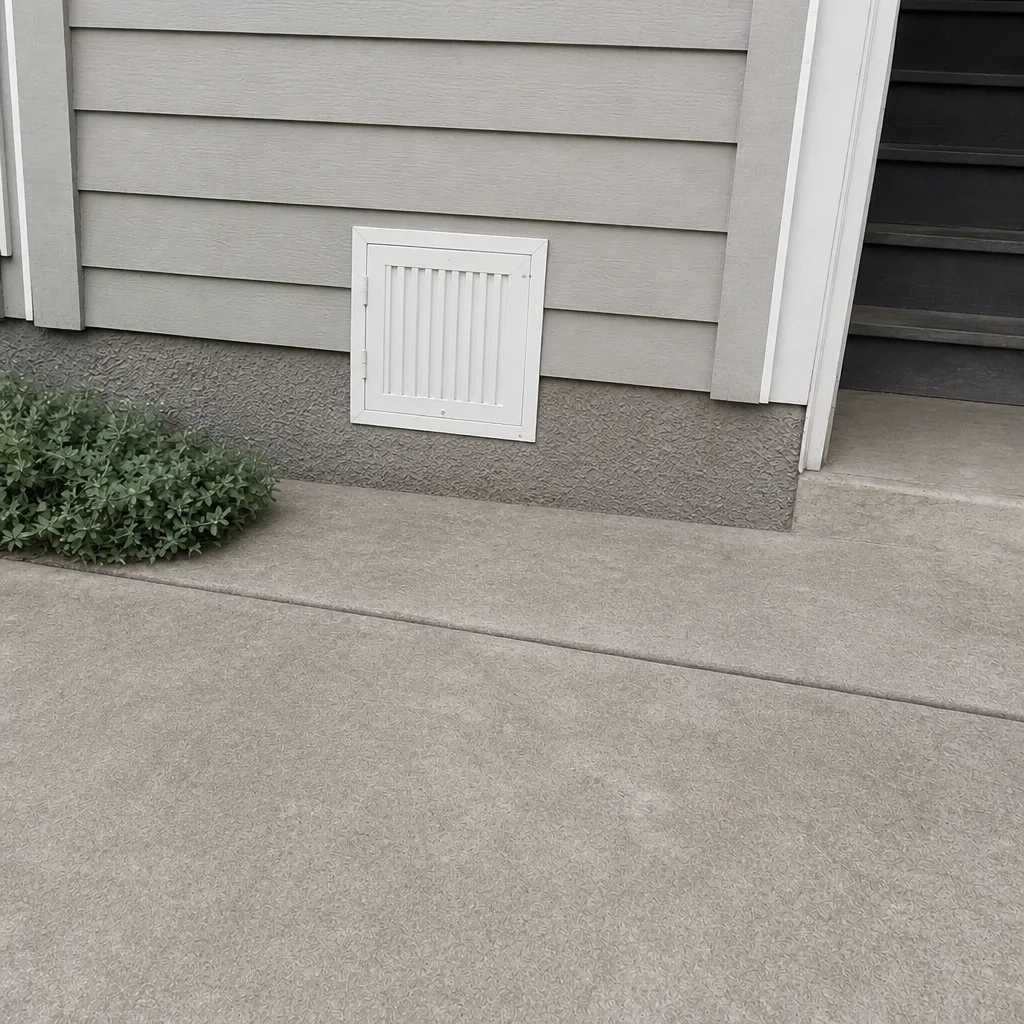 After
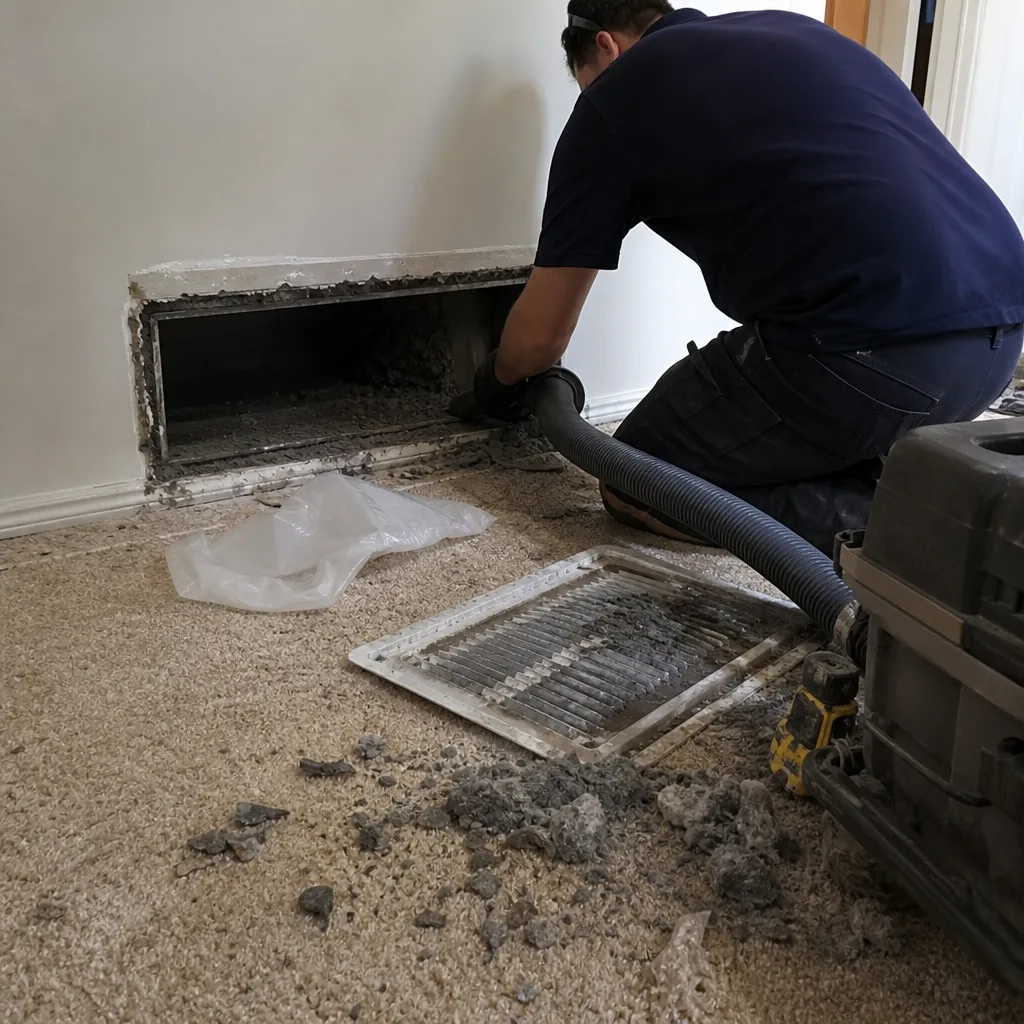 Before
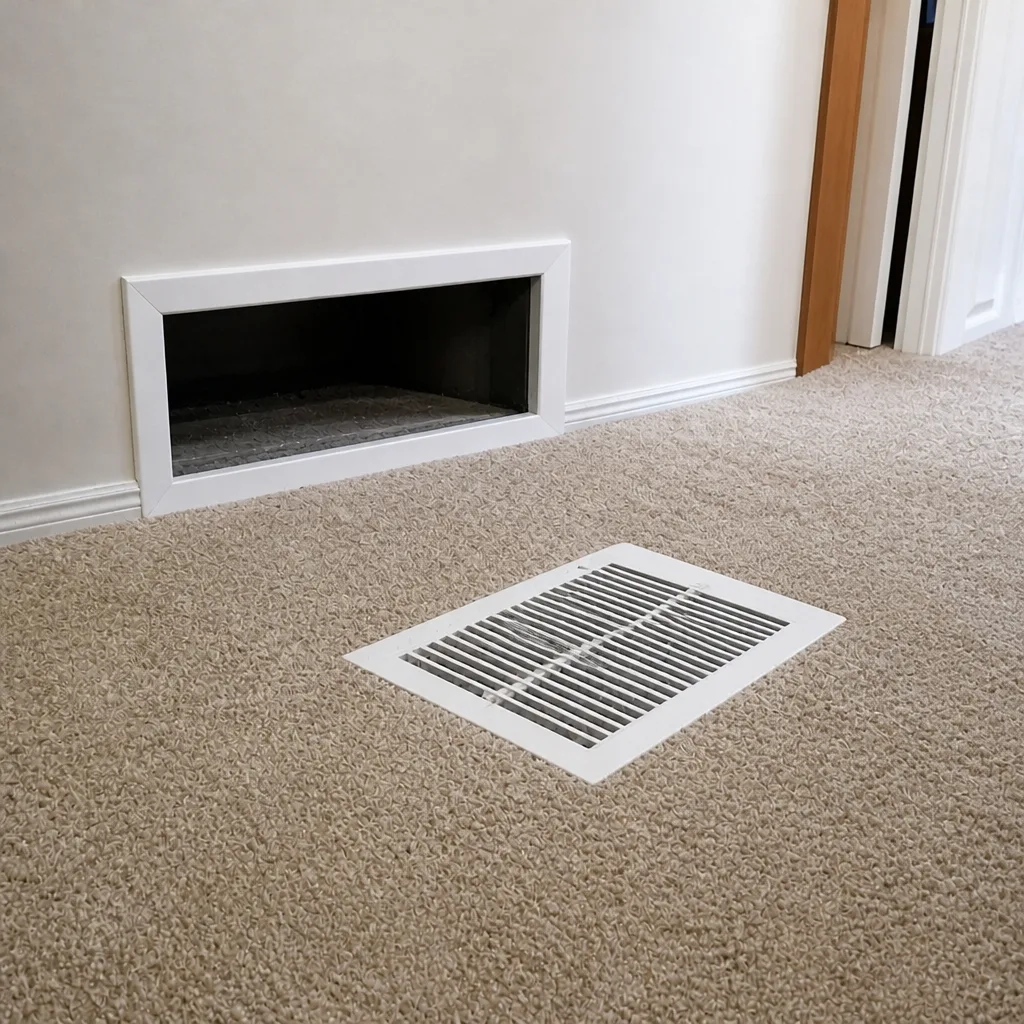 After
When to Call a Professional
Call us when you’re not sure which side of the permit line a job falls on. We can look at the scope and tell you plainly whether a permit is required, and we can describe what the work involves so you can compare estimates apples to apples. Call us if you’re planning a UV system, a duct sealing process, an air handler modification, or a duct replacement and want the permit handled properly. Call us if you’re getting ready to sell a University Park home and want a walkthrough of what’s been modified. Call us if your ducts haven’t been cleaned in years and you want a professional-grade job done with Rotobrush, Nikro, and Abatement Technologies equipment, or if your dryer vent needs attention as a separate safety concern. University Park Air Duct Cleaning Pros offers free estimates in University Park. Call (855) 677-5998. We answer 24/7. Fast dispatch from 7am to 7pm, Sunday through Friday.
Frequently Asked Questions
No, air duct cleaning itself doesn’t require a permit in University Park or anywhere in the Denver metro. Cleaning is maintenance and doesn’t change the physical duct system. Mechanical modifications like duct replacement, UV system installation, or interior duct sealing do require a permit, and a licensed contractor should pull it before work begins. Call (855) 677-5998 for an exact quote on your job. Estimates are free.
UV-C air treatment systems, interior duct sealing processes like Aeroseal, air handler modifications, plenum changes, and new media filter cabinets are the upgrades most likely to require a permit. A drop-in filter change in an existing slot is not a modification. Sanitizing treatments, fogging, and Guardsman protective applications are part of cleaning and generally don’t require a permit. Call (855) 677-5998 to walk through your specific scope.
Ask at the estimate stage, request the permit number and jurisdiction in writing, and verify the permit with the local building department by phone. The permit should name the contractor performing the work, not the homeowner as owner-builder. A contractor who can’t tell you which permits apply to a given scope of work is a contractor who avoids the process. Call (855) 677-5998 for a straight answer on whether your job needs one.
Unpermitted duct modifications often surface during the buyer’s inspection, and the discovery can stall the sale while you sort out documentation. Depending on the jurisdiction, the buyer’s agent may require retroactive permitting, correction, or removal of the work. The cost and timeline fall to the seller. Getting permits at the time of the work is significantly easier than dealing with it later. Call (855) 677-5998 to get it done right the first time.
We price the whole system as one flat price per job by written estimate, not per vent, and not with teaser coupons. The estimate is free, and the written price sets the final invoice. Duct sealing, UV system installation, and other modifications require their own scope and their own estimate because they involve different work and permit requirements. Call (855) 677-5998 for an exact quote. Estimates are free.
Two reasons. Some shops price per vent with a low teaser figure that grows once the technician is on site, and some skip permits on modifications that require them. Both shortcuts shift the risk and cost to you. We use one flat price per system, agreed before work starts, and we don’t skip permits where the code requires them. Call (855) 677-5998 for an honest quote with no surprises.
Ask for before-and-after photos of your own duct interior, and for a written invoice that itemizes the work. A shop using professional-grade equipment (Rotobrush and Nikro, in our case, and Abatement Technologies on jobs that call for it) has nothing to hide and takes photos as a matter of course. If the shop can’t show you photos of your ducts, that’s the answer to the question. Call (855) 677-5998 for a no-pressure estimate. Estimates are free.
It depends on the home. Post-renovation dust, a recent pest issue, allergies or asthma in the household, older systems, or visible debris at the registers are all triggers. A family in University Park with a mid-century home and an allergy-sensitive child may want it more often than a newer, low-occupancy household. There’s no universal interval. Call (855) 677-5998 and we’ll give you a real answer for your situation.
The Bottom Line
Cleaning your ducts is maintenance; changing your ducts is modification, and modification pulls a permit. That’s the whole guide in one sentence. In University Park, the housing stock makes this more important than in a newer suburb, because previous owners have had more years to make quiet changes that never got a permit. The practical playbook: ask the permit question at the estimate stage, get the permit number in writing, verify it with the building department, and keep the final inspection sign-off in your home records. That folder is the difference between a smooth sale and a stalled one. The work itself is straightforward; the paperwork is what protects you.
If you’d rather not sort through the code question yourself, call us. We’ll tell you what your scope actually requires, and we’ll price the whole job with the written estimate setting the final number. Call (855) 677-5998. We answer 24/7. Fast dispatch from 7am to 7pm, Sunday through Friday.
Written by the team at University Park Air Duct Cleaning Pros.